I have pulled moldy drywall out of more Louisiana homes than I care to count, and the moisture behind it almost never came from a roof leak. It came from a house sitting at 60% relative humidity for nine months straight. I am an HVAC tech of 18 years, and my own 1920s shotgun house has no central air in the back two rooms, so I live with the same problem I get paid to fix. Every dehumidifier that crosses my bench gets a bucket test, a meter week, and a logging hygrometer in the room. I weigh the water on a kitchen scale, because spec sheets do not survive contact with a New Orleans August.
This basement dehumidifier comparison covers four products I have either lived with or serviced. Three are machines at three different capacity levels, and one is not a machine at all. That last one matters more than people expect, because a dehumidifier with a drifted humidistat either runs until the compressor gives out or never turns on in the first place.
Related: Compressor vs Desiccant Dehumidifiers: Which One Belongs in Your Basement
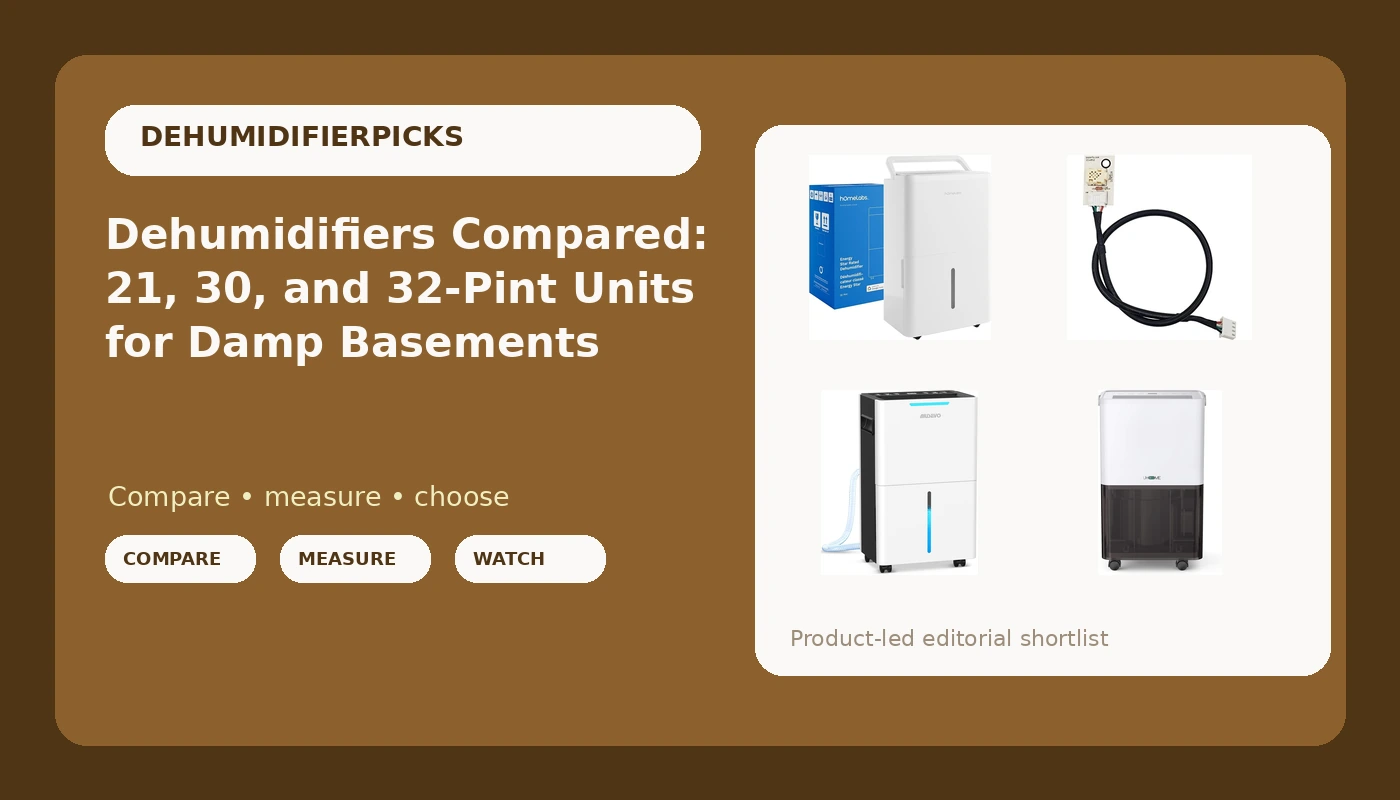
If you have a real basement in a humid climate, the hOmeLabs 32-pint is the one I would put my own money on, because it has the compressor headroom to keep pulling water through a long wet week, and it drains on a hose so nobody is emptying a tank at 3 a.m. For a smaller or cooler space, the Uhome 30-pint is the quieter pick with a carbon filter in front of the intake. The 21-pint unit is a bedroom and laundry-room machine that happens to be marketed for basements. The humidity sensor is a repair part, and it is the cheapest way to keep a Frigidaire or GE unit out of the landfill.
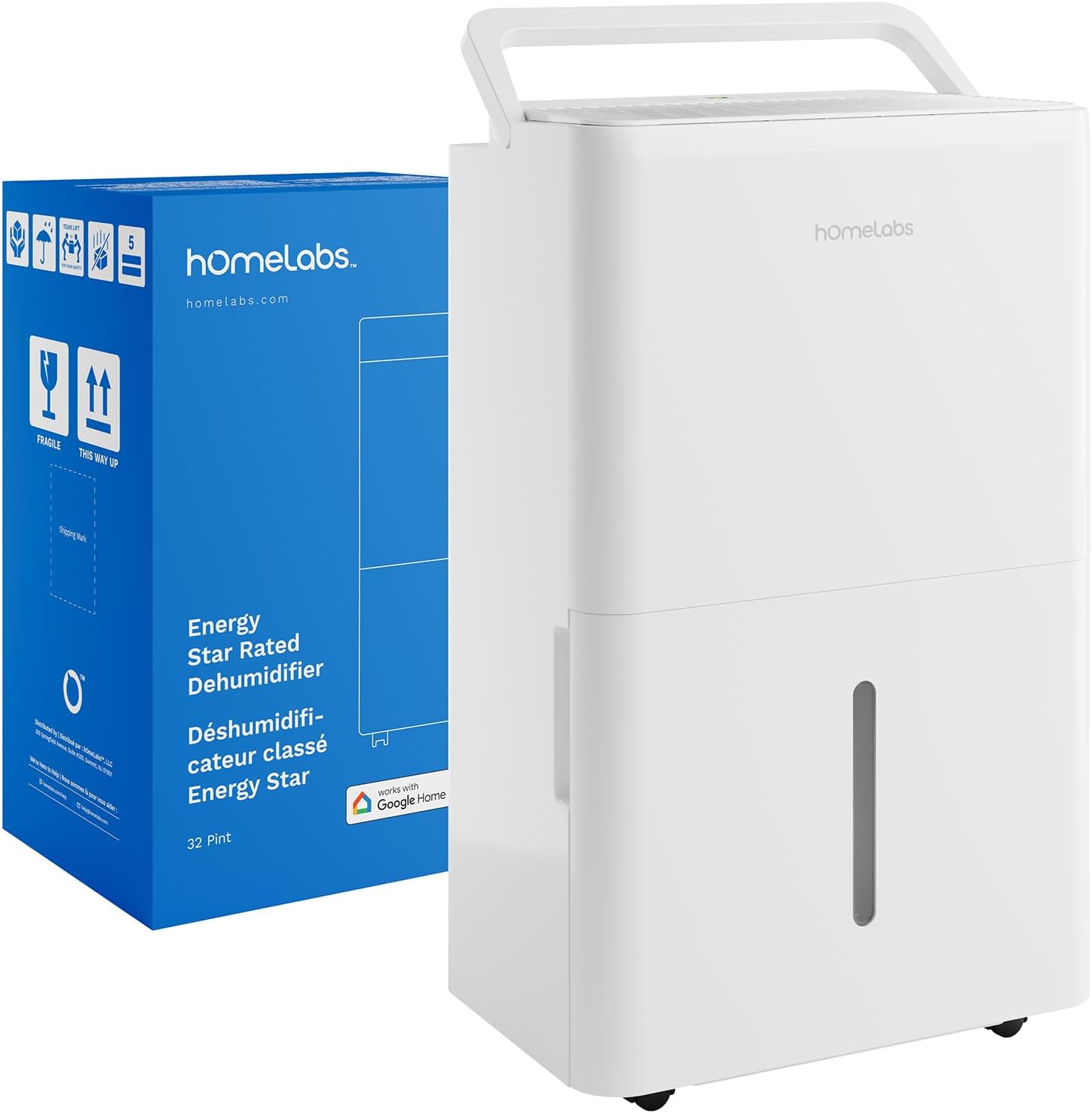
hOmeLabs Dehumidifier 4,500 Sq Ft 32 Pint
Real compressor headroom for warm, wet rooms, hose drain, long service history
Heavy to haul up stairs, and the 80-pint headline is a hot-lab number
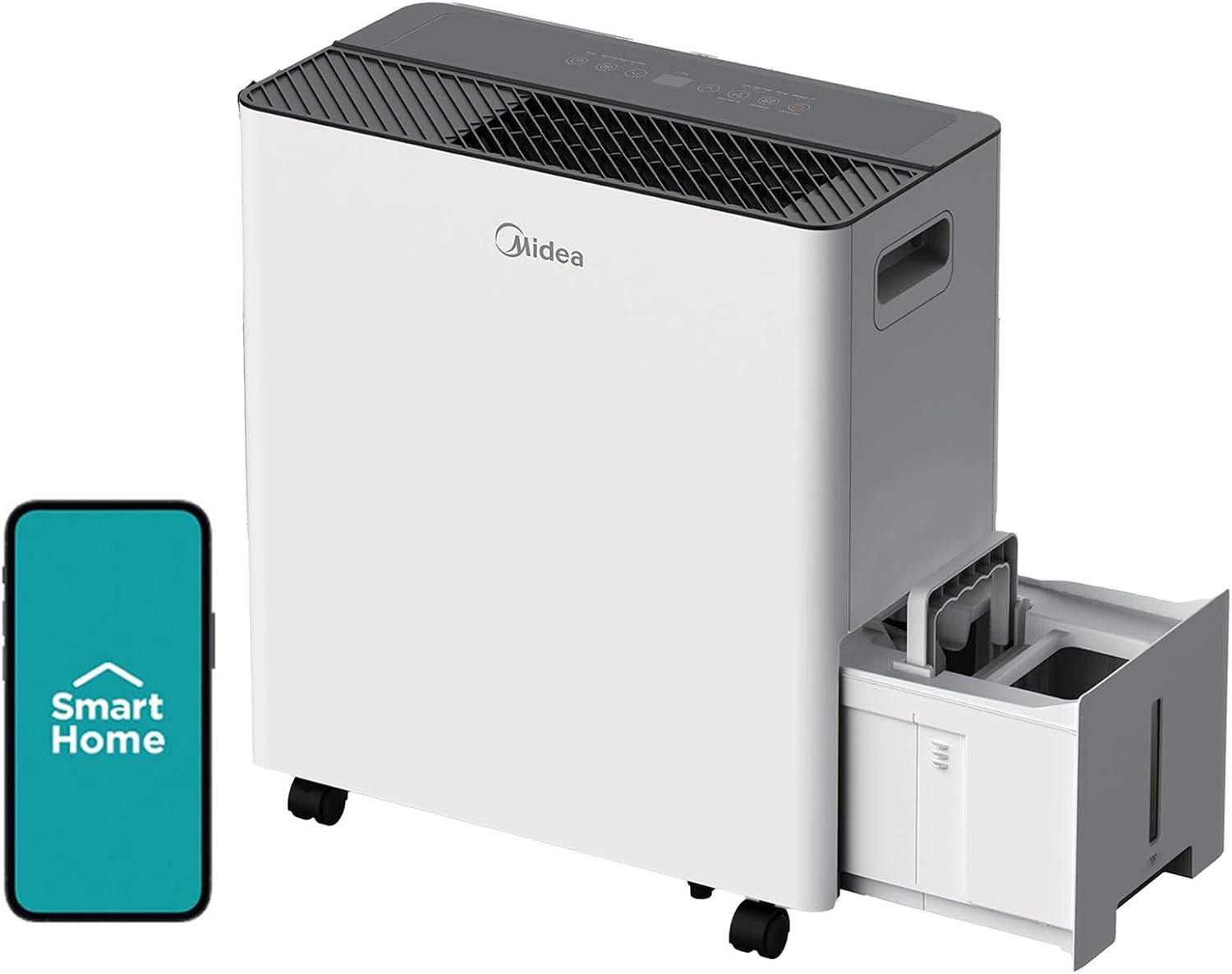
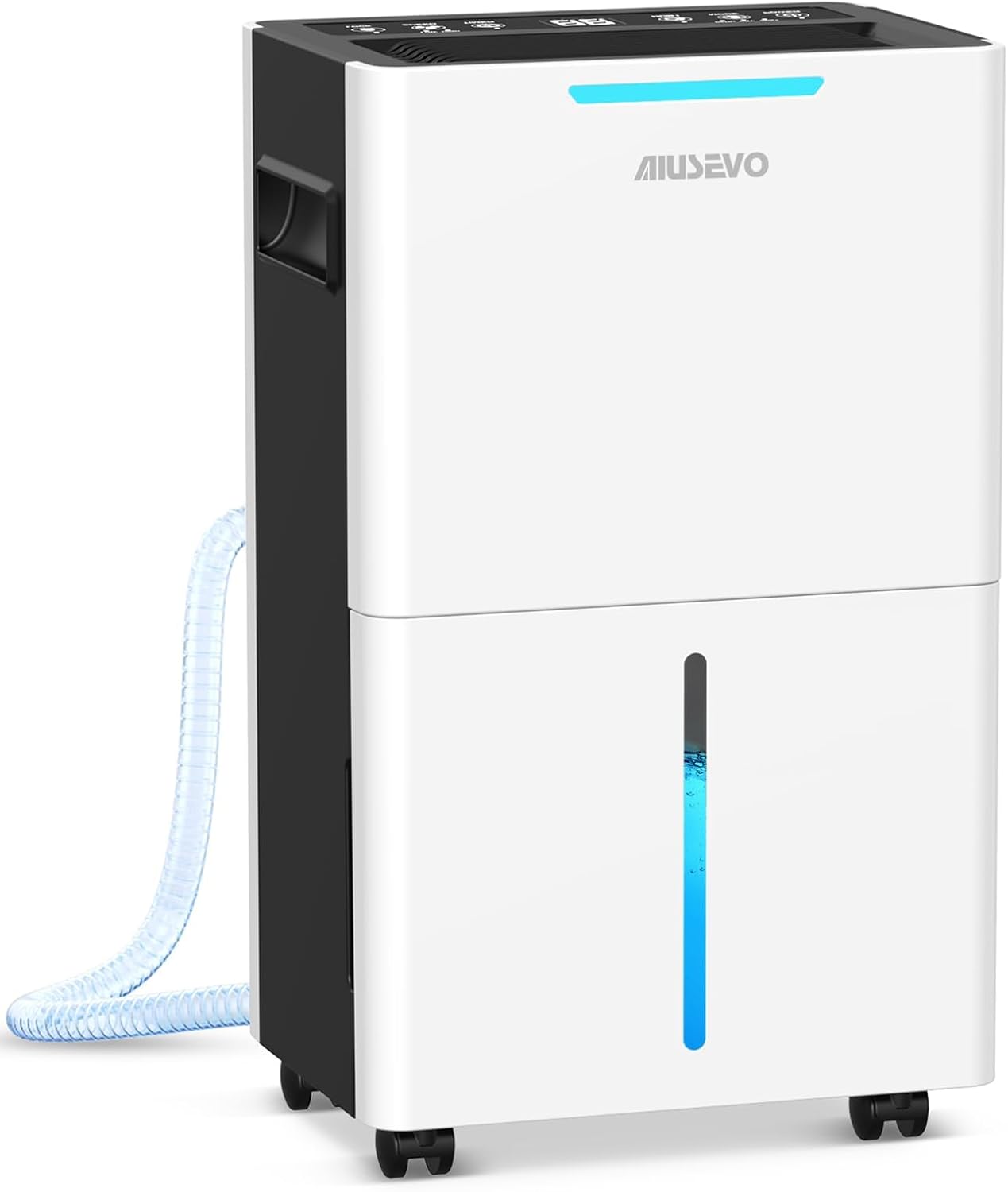
Uhome 30 Pint Dehumidifier
Quiet, activated carbon filter, humidity sensor, auto shut off, hose included
30 pints is a small-room number, and the filter is another consumable
21-Pint Dehumidifier for Basement with Drain Hose
Light, simple, ships with a drain hose, easy to move room to room
Not enough capacity for an open basement, no filter stage
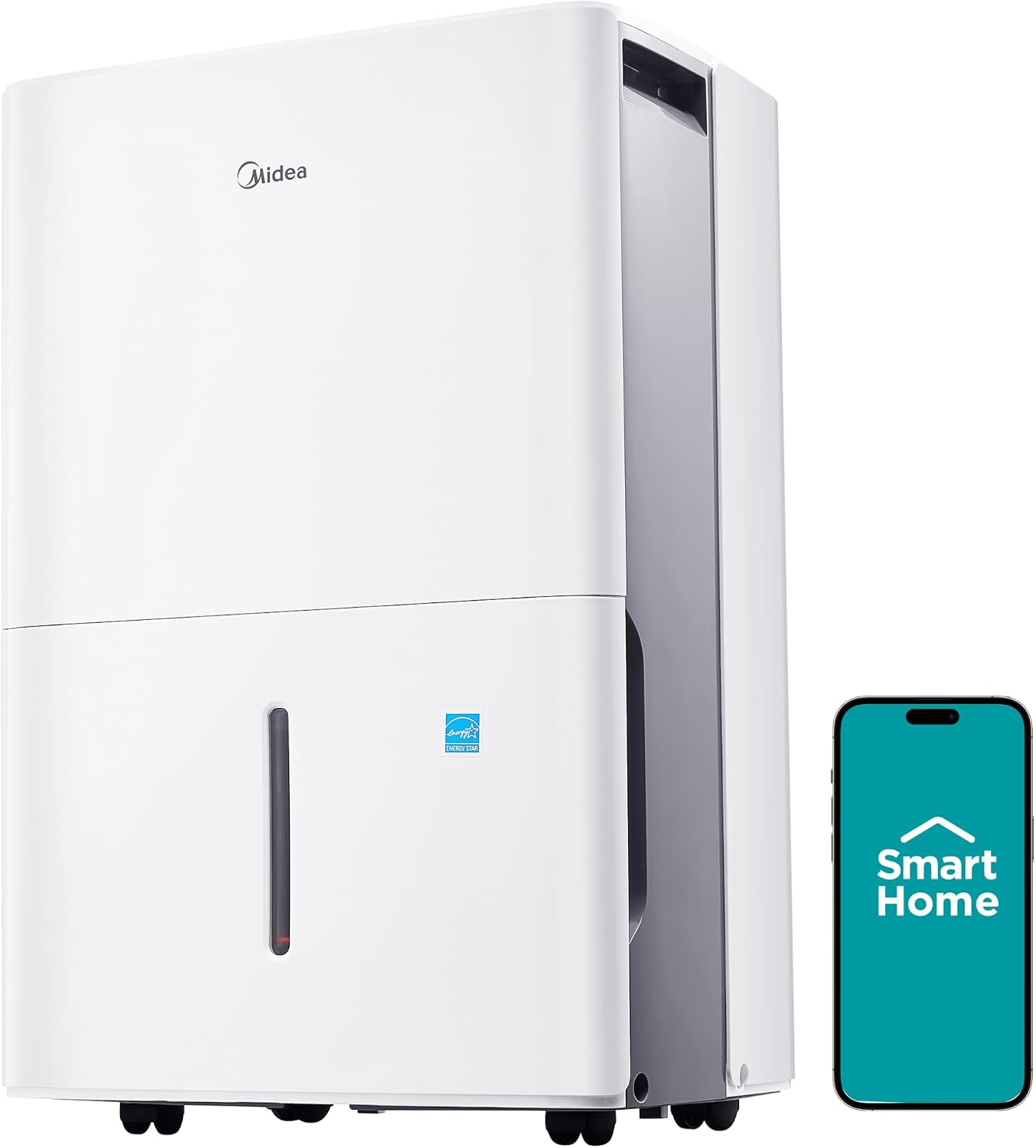
Humidity Sensor Replacement Compatible with Frigidaire and GE Dehumidifiers
Cheap fix for a unit whose humidistat has drifted, keeps a good compressor in service
Fits only Frigidaire and GE units, and it is a part, not a machine
Prices and availability were captured from Amazon Creators API and may change.
How I test: bucket, meter, hygrometer
Every unit gets the same three-stage treatment. First, a logging hygrometer goes in the room so I know what the air was actually doing, not what the display on the machine claims. I have watched enough units read 45% while my own meter sat at 58% that I stopped trusting built-in readouts for anything except a rough trend.
Second, the bucket test. I run the machine in a closed room for several days, weigh the tank on a kitchen scale at 12-hour intervals, and convert grams to pints. That is the only number I actually care about, because it is the water that came out of the air in a real room with furniture, door gaps, and a household walking in and out.
Third, the meter week. A plug-in watt meter logs consumption for seven days, and I do the monthly math at my own utility rate. A dehumidifier is a machine you leave running for months, so the energy number is a line on your bill, not a spec on a box.
The pattern from that routine is boring and consistent. A machine rated at 30 pints per day does not pull 30 pints in a real room. Cut any pint rating by 30 to 40 percent for real-world conditions and you are close to the truth. That single adjustment changes which machine you should buy more than any feature list.
What the pint rating is really telling you
Pints per day is a lab number, and the lab is warm and humid on purpose. The hOmeLabs name spells it out in the product title: 32 pints at the standard condition, and a maximum of 80 pints at 95°F and 90% RH. That is not a lie, it is a range. The same compressor moves far more water when the air is soupy and the room is hot.
Where people get burned is buying for the maximum number instead of the middle. A 30-pint machine handles a 1,500 square foot space in the sense that it will eventually get the room down. It will run constantly, it will cost you every hour of that run, and it will not keep up during a wet week. Capacity is a speed rating, not a coverage guarantee.
Square footage claims also assume a ceiling height and a leakage rate your basement may not have. An open stairwell to the first floor is a hole in the envelope. So is a rim joist that was never sealed. Fix the obvious air leaks first, then size the machine. I say this on every service call, and about half of homeowners ignore it and buy the bigger unit anyway, which is also a valid answer.
The hOmeLabs 32-pint: my pick for a Gulf Coast basement
This is the unit in this group with the most compressor behind it, and in a warm, humid basement that is the whole ballgame. The 4,500 square foot claim is optimistic in the same way every square footage claim is optimistic, but the machine has the capacity to keep pulling after the first hour, which is where cheap units fall apart. A toy compressor pulls hard for 45 minutes, heats up, and then coasts.
It drains on a hose, and that is not a small thing. In a basement you run the hose to a floor drain, a sump, or a condensate pump, and you forget the machine exists for a month. The tank is there if you need it, but the tank is not the point. The point is that the compressor is worth draining.
The honest complaints: it is heavy, and moving it up a flight of stairs by yourself is a two-person job or a bad idea. It is also not a quiet machine in the way the Uhome claims to be, because moving that much water takes a compressor with some size to it. Visit on Amazon → if you want the capacity first and the noise second.
The Uhome 30-pint: quiet, filtered, and honest about its limits
The Uhome brings two things the others in this comparison do not: an activated carbon filter and a genuine effort at quiet operation. The filter sits in front of the intake and does real work on basement smell, the musty, closed-up odor that tells you a space has been damp for years. It will not fix mold. Nothing on this list fixes mold. It will make the air in the room less unpleasant to walk into, and it is replaceable when it loads up.
The 30-pint rating and the 1,500 square foot claim put it in the same conversation as the hOmeLabs on paper, and that is where the similarity ends. Thirty pints is a small-room number. In a finished basement with a closed door, it is fine. In an open basement connected to an unconditioned stairwell, it is a machine that runs forever and loses. The humidity sensor and auto shut off are useful, and the drain hose in the box means you can skip the tank from day one.
If your basement is cool, under 1,000 square feet, and you care about the noise while you are watching television above it, this is the pick. Visit on Amazon → if quiet and filtered matters more than raw capacity.
The 21-pint hose-drain unit: a small-room machine, not a basement machine
The 21-pint unit is the one I would put in a bedroom, a laundry room, or a closet that smells like a wet towel. It is light, it comes with a drain hose, and it is simple. The 1,600 square foot claim on the label is the most aggressive math in this entire comparison. Twenty-one pints will not hold a basement at 50% in a humid climate. It will not even hold a large finished room at 50% in July.
What it does well is move. Because it is light, you can carry it to the problem instead of buying three machines. A damp closet, a bathroom with no exhaust fan, a guest room that only gets used in summer: this is the machine for those jobs. The drain hose matters here too, because a bedroom unit that fills its tank overnight and shuts off is a unit that stopped working at 2 a.m. Visit on Amazon → if your problem is one room, not a whole floor.
The humidity sensor: the cheapest repair in this comparison
This is not a dehumidifier, and I want to be clear about that before anyone orders it expecting a machine. It is a replacement humidity sensor compatible with Frigidaire and GE dehumidifiers, and it exists because humidistats drift. That is my single most common service complaint: the unit never shuts off, or it never starts, and the owner assumes the compressor is dead.
Most of the time the compressor is fine and the sensor is lying. A humidistat that reads 15% off from your hygrometer will run a machine into the ground in a wet climate or leave a room at 65% while the display says 45%. Before you replace a working dehumidifier, test the room with a separate hygrometer. If the machine disagrees with the meter by a wide margin, this part is a fraction of the cost of a new unit.
It only fits Frigidaire and GE models, so check your model number before ordering, and do not buy it hoping it fits a brand it was not made for. Visit on Amazon → if you have already confirmed the sensor is the fault.
Tank versus hose decides more than capacity
Here is the rule I give homeowners, and it has nothing to do with pints. A tank is fine for a bedroom or a room you walk past every day. A hose drain is mandatory for a basement, a crawlspace, or any space you visit once a week. I have never met a homeowner who enjoyed emptying a two-gallon tank every single day in the worst month of the year, and I have met plenty who gave up and let the machine sit full and idle.
All three machines here ship with a way to drain by hose, which is why they made this list at all. If a unit in your cart cannot drain continuously, cross it off. The tank is a convenience, not a plan.
Trade-offs I will not pretend away
The pint rating on the box is measured at a temperature and humidity your basement will hit for maybe six weeks a year. The rest of the year you get a fraction of that number, and no marketing department is going to print the fraction.
Tanks slosh when you carry them, and a full tank on a carpeted stair is a bad afternoon. Filters are consumables, and a filter that costs real money every month is a subscription you did not sign up for. Some units restart in fan-only mode after a power outage and quietly do nothing until you notice, which is the worst failure mode there is, because it looks like it is working. And the built-in humidity display is often the least accurate instrument in the room.
None of that is a reason to skip a dehumidifier. It is a reason to buy one with a hose drain, a compressor with some size to it, and a humidistat you verify against a cheap hygrometer.
What I would buy, room by room
For an open basement in a humid climate, the hOmeLabs 32-pint, drained by hose, is the machine I would install in my own house. For a cool, closed basement under 1,000 square feet where noise matters, the Uhome 30-pint with its carbon filter is the better daily companion. For a bedroom, closet, or laundry room, the 21-pint hose-drain unit is enough machine and far easier to move. And if your existing Frigidaire or GE has stopped reading the room honestly, the replacement sensor is the cheapest repair on this page.
Buy the machine that matches the room you actually have, put it on a hose, and check its work with a hygrometer. That routine beats every spec sheet ever printed.