A damp house does not announce itself. It shows up as a bedroom that smells like a wet towel, a basement wall that stays cool and clammy through July, or a window that sweats every morning while the rest of the house feels fine. By the time most homeowners go looking for a machine, they have usually already tried something small that filled its tank overnight and shut itself off at 3 a.m.
The hard part is not deciding to buy a dehumidifier. It is deciding which one, because the category mixes 1,000 square foot bedroom units with 80 pint basement machines, and the number on the box tells you less than the drainage setup does. This guide compares six products worth a look: a 50 pint dehumidifier with pump for continuous drainage, two larger capacity units aimed at basements, two compact machines for single rooms, and one replacement humidity sensor for a unit that has stopped reading the air correctly. Coverage ratings and features below come from the manufacturer listings. Where a figure is a lab rating rather than a real world promise, this guide says so instead of pretending otherwise.
Related: How to Size a Dehumidifier for a Basement
Quick answer
The Midea 50 Pint Dehumidifier with Pump, 4,500 Sq. Ft, Energy star is the strongest fit for basements and whole floor coverage because it pairs a 50 pint capacity rating and 4,500 square foot coverage with a built-in pump, so condensate can be pushed out through a hose instead of collected in a tank. Choose the Waykar 80 Pints 5000 Sq. Ft 2025 Energy Star Dehumidifier for Basement instead when you want the largest listed capacity in this group for a large, open basement.
Dehumidifiers worth comparing
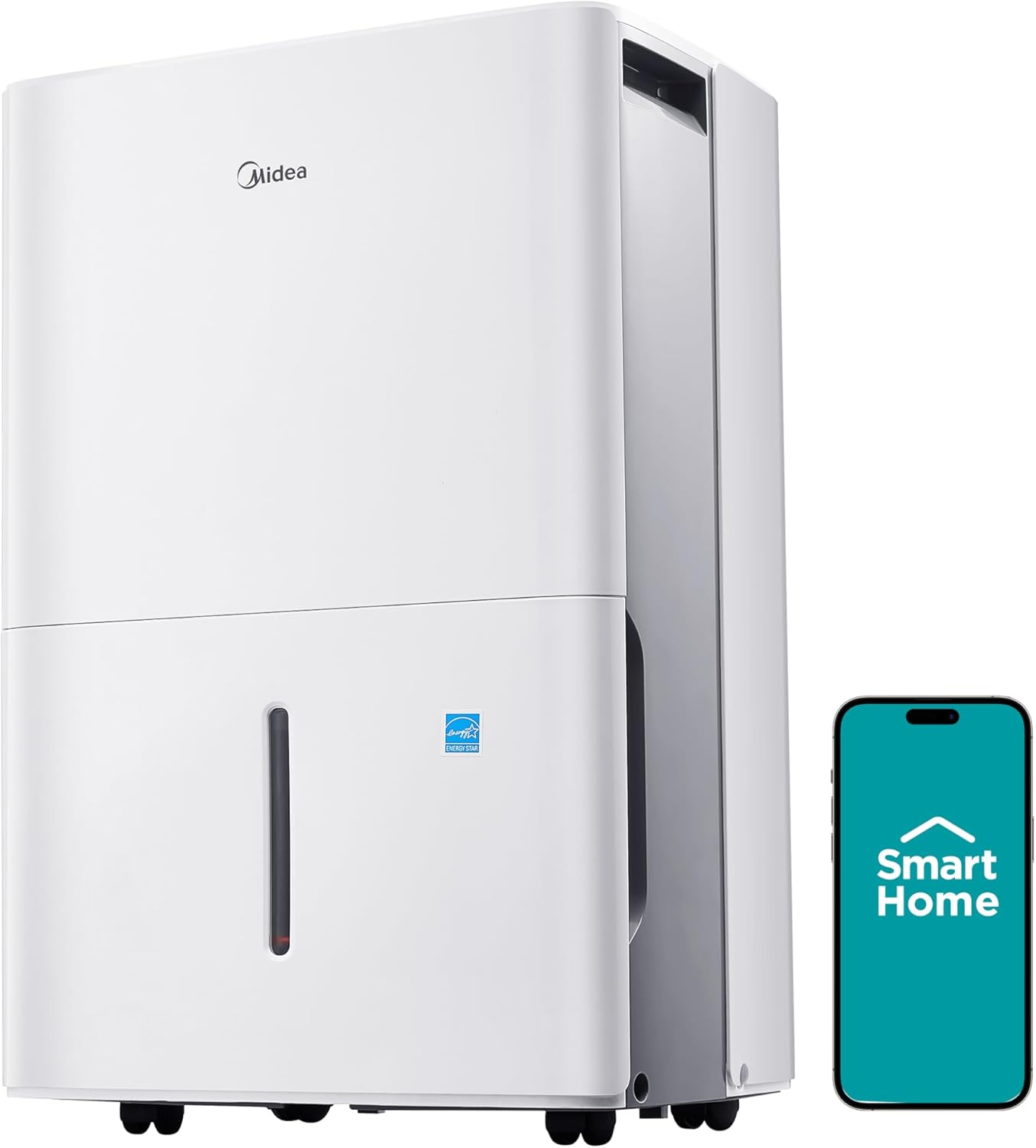
Midea 50 Pint Dehumidifier with Pump, 4,500 Sq. Ft, Energy star
A 50 pint unit rated for 4,500 square feet with a built-in pump and an ENERGY STAR listing. The pump lets condensate travel through a hose, including uphill, instead of sitting in the tank.
Visit on Amazon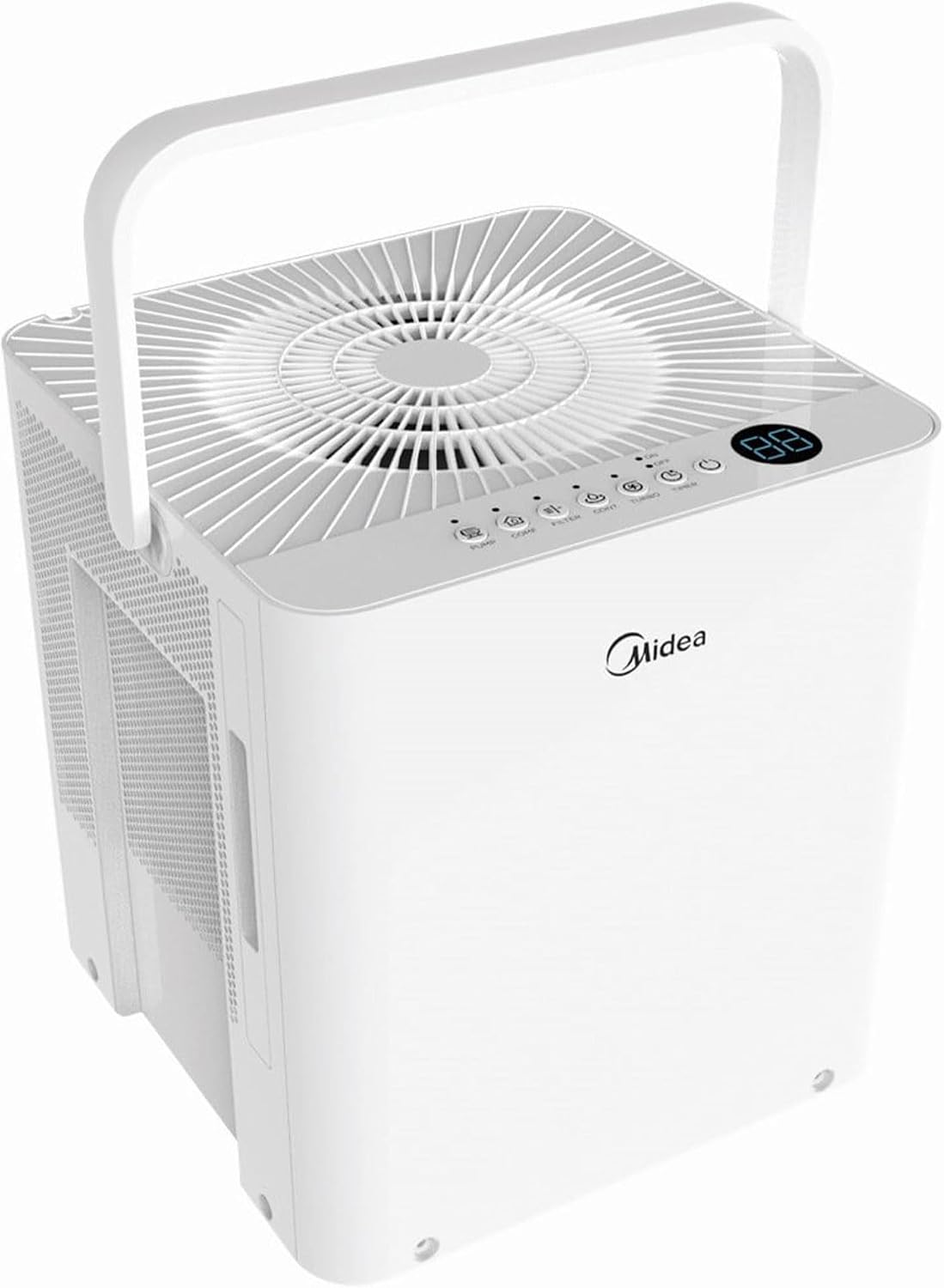
Midea Cube 50 Pint Dehumidifier, 4,500 Sq. Ft, Smart Control, ENERGY STAR
Check current Amazon price
A 50 pint machine rated for 4,500 square feet with smart control and an ENERGY STAR listing. The Cube form factor nests the unit down into its own bucket, which changes how much floor space it takes up.
Visit on Amazon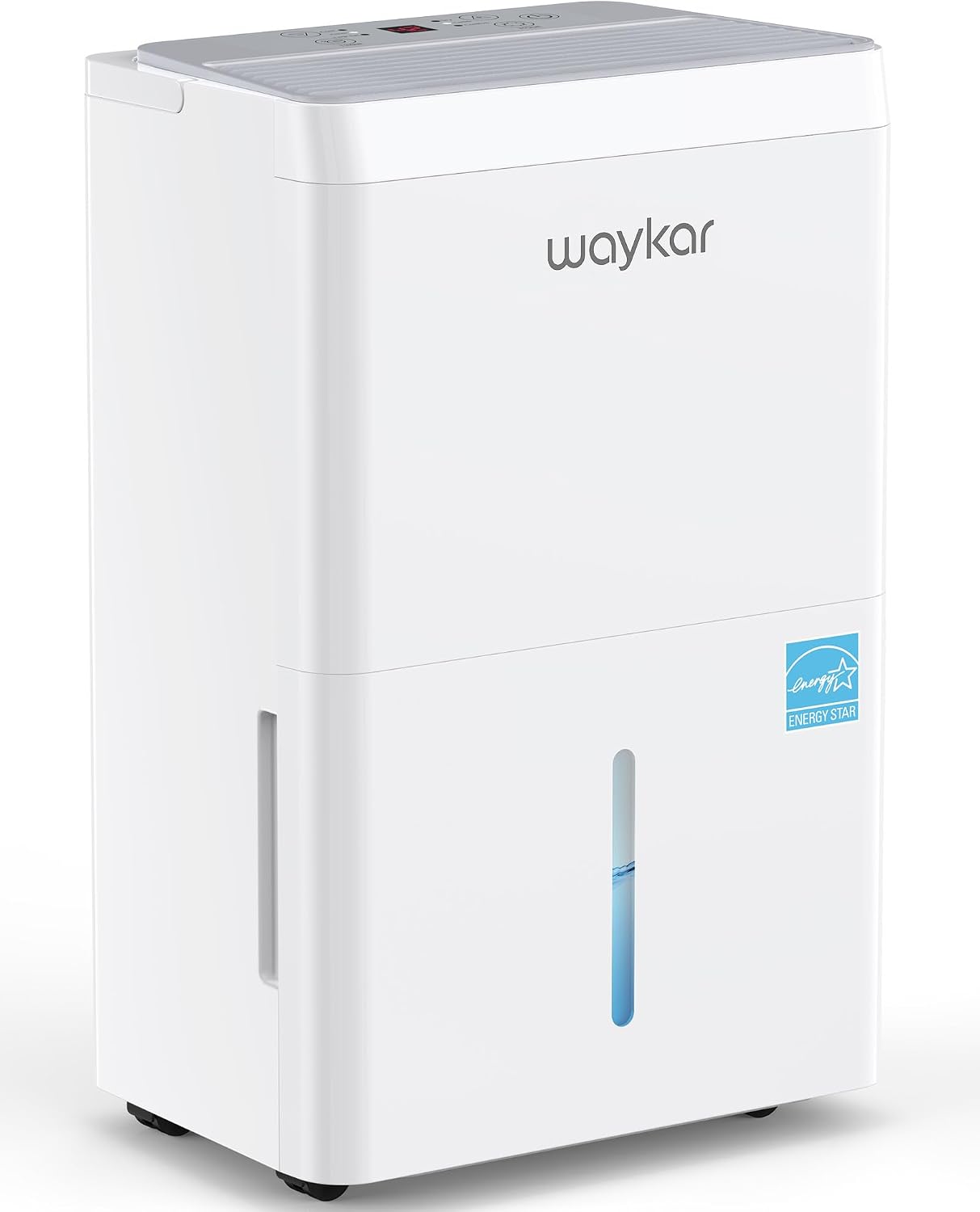
Waykar 80 Pints 5000 Sq. Ft 2025 Energy Star Dehumidifier for Basement
The highest capacity rating in this group at 80 pints, with 5,000 square feet of listed coverage, an Energy Star listing, and basement use called out by the manufacturer.
Visit on Amazon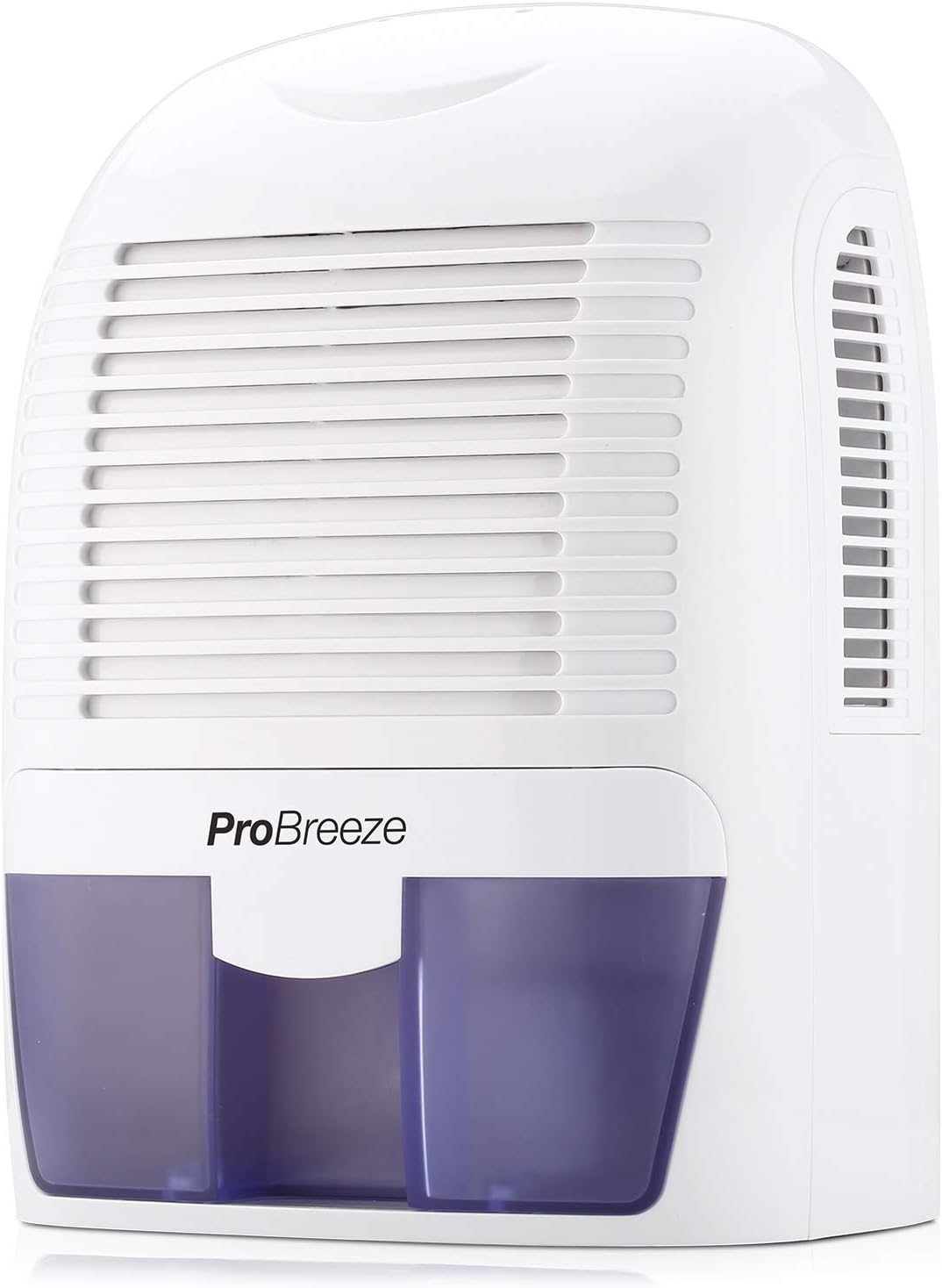
Pro Breeze Electric Mini Dehumidifier, 2200 Cubic Feet (250 sq ft), Compact and Portable for High Humidity in Home, Kitchen, Bedroom, Basement, Caravan, Office, Garage
A compact electric unit rated for 2,200 cubic feet, roughly 250 square feet, and described as portable for small rooms such as bedrooms, kitchens, offices, garages, and caravans.
Visit on Amazon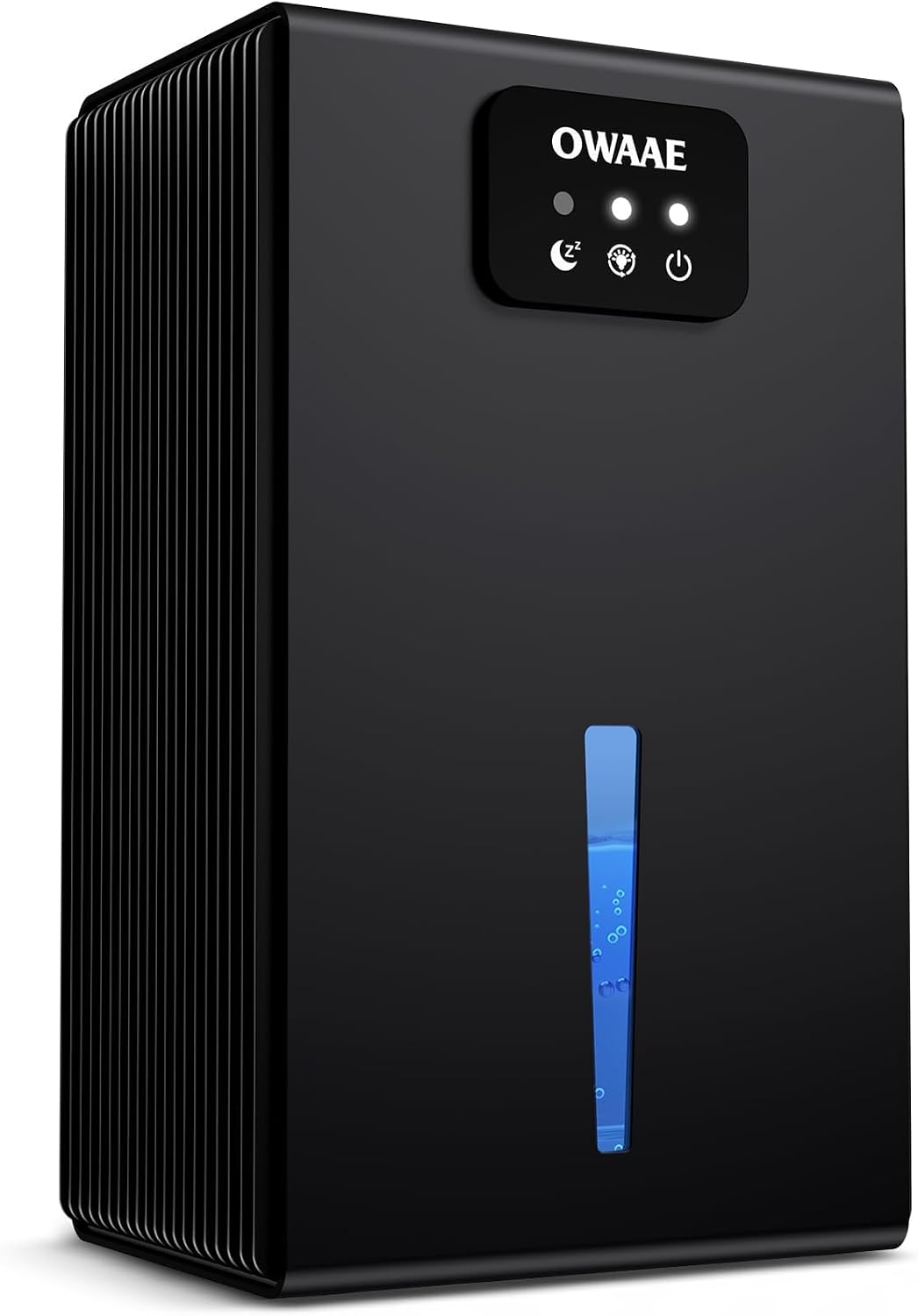
Dehumidifier for Home with Auto Shutoff Sleep Mode, 1000 Sq Ft
A home dehumidifier rated for 1,000 square feet with an auto shutoff function and a sleep mode. It sits between the mini units and the full basement machines in both size and coverage.
Visit on Amazon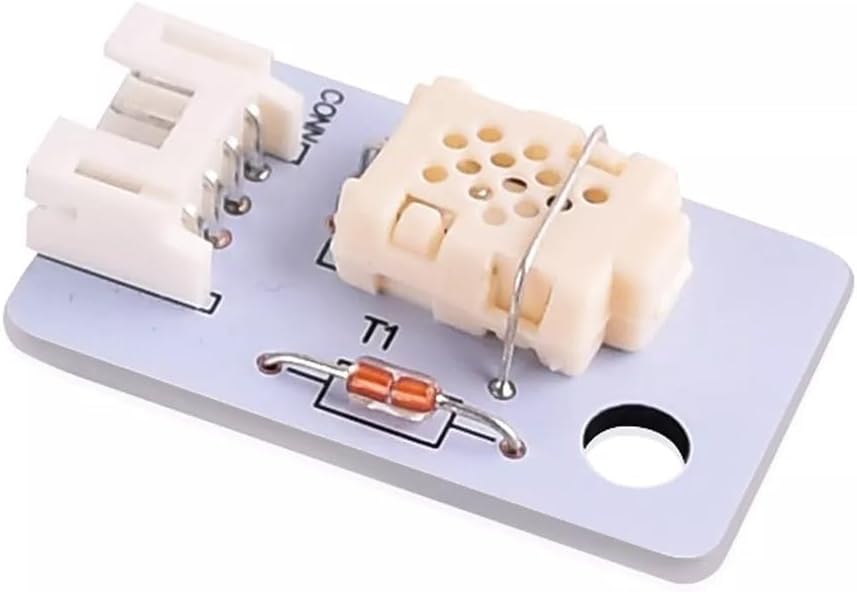
Humidity Sensor PCB For Honeywell TP30AWKN TP50WKN TP70AWKN Series Dehumidifiers And Colzer PD223A WHAD703PAW For HOmeLabs 70 Pint Soleus Air Models 810900236A
A replacement humidity sensor board listed as compatible with several Honeywell, Colzer, hOmeLabs, and Soleus Air dehumidifier models. This is a repair part, not a complete dehumidifier, and it only makes sense if the existing unit is otherwise sound.
Visit on AmazonPrices and availability may change. Check the retailer for current details.
How these products were compared
This guide compares listed coverage area, pint capacity as stated by the manufacturer, drainage method, control and convenience features, and product type, meaning whether the listing is a complete dehumidifier or a repair component for an existing one. Product names, images, and retailer links are matched to the exact model so that every card points to the product shown.
Nothing here is presented as hands-on testing. The capacity figures, coverage ratings, and feature lists come from the manufacturer listings, and the commentary around them comes from general field practice with compressor dehumidifiers in hot, humid climates. No current prices appear in this article, because pricing moves constantly. Use the call to action on each card to confirm the current price, availability, and return terms before you buy.
How to choose the right dehumidifier
Start with the space, not the spec sheet. A bedroom, a laundry closet, or a single damp bathroom is a small space problem, and the compact units in this group are aimed at exactly that. A finished basement, a crawl space, or an open ground floor is a volume problem, and that is where the 50 pint and 80 pint machines belong. Match the listed coverage to the room you actually have, then size up slightly if the space has open stairwells, gaps under doors, or a history of standing water.
Drainage decides whether you will keep using the machine. A tank is fine for a bedroom, where you can empty it during your morning routine. A basement is not a tank situation, because the tank fills fastest in the exact weeks you least want to carry water up a staircase. That is the argument for the pump equipped unit at the top of this list: it lets you run a hose to a floor drain, a utility sink, or a sump, and then forget the machine exists. If you want the longer version of that math, the sizing guide linked above walks through coverage and drainage together.
Temperature matters as much as size. Compressor dehumidifiers, which is what most of this group is, work best in warm air. In a cold basement that stays below roughly 60 degrees, a compressor unit loses efficiency and may frost up, and a desiccant unit becomes the better tool. Most buying guides skip that split entirely and just compare pint numbers, which is how people end up disappointed in January.
Be skeptical of smart features as a deciding factor. App control is convenient when it works, but the wireless module is often the first thing to fail and the hardest thing to get support for. Buy the machine for its capacity and its drainage, and treat the app as a bonus.
One more category exists in this list, and it is not a dehumidifier at all. If a unit runs but never seems to shut off at the right humidity, or reads a number that your hygrometer disagrees with by a wide margin, the humidity sensor board may be the failed part. The replacement sensor in this group fits several Honeywell, Colzer, hOmeLabs, and Soleus Air models. Confirm the exact model number before ordering a part, because a board that does not match is money wasted.
Midea 50 Pint Dehumidifier with Pump, 4,500 Sq. Ft, Energy star
This is the top pick because it solves the two problems that matter most in a damp basement at the same time. The listed capacity is 50 pints and the listed coverage is 4,500 square feet, which puts it in the range that handles a finished basement or a whole lower floor rather than a single room. The built-in pump is the feature that separates it from a standard 50 pint unit, because it can move condensate through a hose even when the drain point is above the unit, so you are not dependent on gravity or on a floor drain sitting at the right elevation.
The trade-off is straightforward. A pump adds a component that a gravity drain unit does not have, and pumps need a clear hose run and occasional attention. This unit also weighs more and takes up more floor space than the compact machines here, which makes it a poor fit for a bedroom or a small office. If your space is genuinely small, the coverage rating is wasted money, and a mini unit will do the same job for less.
Alternatives to consider
The Midea Cube 50 Pint Dehumidifier, 4,500 Sq. Ft, Smart Control, ENERGY STAR is better suited to someone who wants the same 50 pint, 4,500 square foot class of machine with app based control and a stacked design that stores the bucket inside the body of the unit. It is the pick for a homeowner who will actually use the smart features rather than a homeowner who wants a hose run out of sight.
The Waykar 80 Pints 5000 Sq. Ft 2025 Energy Star Dehumidifier for Basement is a stronger fit when the space is large, open, and consistently wet, and when 50 pints of listed capacity feels like it might come up short in the worst month of the year. Higher capacity generally means more water removed per day and less runtime to reach your target humidity.
The Pro Breeze Electric Mini Dehumidifier, the Dehumidifier for Home with Auto Shutoff Sleep Mode, 1000 Sq Ft, and the Humidity Sensor PCB cover the rest of the range. The Pro Breeze unit is the portable, small room option at roughly 250 square feet. The 1,000 square foot unit with auto shutoff and sleep mode is the middle step for a bedroom, office, or small apartment where noise at night matters. The sensor board is the repair path for someone who already owns a compatible dehumidifier and does not need a new machine.
Day-to-day use and maintenance
Plan the drainage before the first humid week, not during it. If you are using a tank, empty it on a schedule rather than waiting for the auto shutoff to stop the machine, because a unit that shuts off overnight is not dehumidifying overnight. If you are using a hose, check the run for low spots where water can sit, and confirm the hose end is above the drain or secured into it. A pump unit still needs the hose routed correctly.
Keep the air moving through the machine. Filters and intake grilles collect dust, and a clogged intake raises runtime and heat while lowering how much moisture the coil can pull. Clean or replace the filter on the schedule in the manual, and check the coil area for buildup if the unit runs constantly.
Set the humidistat with a reference point. A standalone hygrometer placed across the room tells you whether the machine's onboard reading is close to reality. If the two disagree by a wide margin and cleaning does not fix it, that is the situation where a replacement humidity sensor board becomes relevant.
Finally, respect the temperature limits in the manual. Compressor units have an operating range, and running one in a cold space can lead to coil frost and reduced performance. If your basement stays cold year round, that is a signal to look at desiccant technology instead of forcing a compressor unit to work outside its range.
Buying checklist
- Measure the room's square footage and note whether the space is open to a stairwell or hallway.
- Choose the pint capacity based on your wettest normal month, not a mild one.
- Confirm the exact model includes the drainage option you need, whether that is a tank, a gravity hose port, or a built-in pump.
- Verify that any replacement part matches your specific dehumidifier model before ordering.
- Read the cleaning and maintenance instructions, especially the filter schedule and the operating temperature range.
- Check the current retailer price, availability, and return terms before you commit.
Final recommendation
Choose the Midea 50 Pint Dehumidifier with Pump, 4,500 Sq. Ft, Energy star when you are drying a basement or a whole lower floor and you want a hose to do the work instead of a tank. Choose the Waykar 80 Pints 5000 Sq. Ft 2025 Energy Star Dehumidifier for Basement when the space is large and consistently wet and you want the highest listed capacity here. For a single bedroom or small office, one of the compact units is the better buy, and for a machine that reads humidity incorrectly, the sensor board is the cheap fix worth trying before replacing the whole unit.