Two winters ago I pulled a 30-pint compressor unit out of a camper in February and watched the coils ice over solid in forty minutes. That's the moment you learn the difference between desiccant and compressor technology isn't a spec sheet debate.
It's the difference between air that gets dried and air that gets ignored. This article breaks down which one you actually need, based on the units I've run through my shop and the ones real buyers have lived with for years.
Why you should trust me
I'm Carlos, an HVAC tech from south Louisiana who's spent eighteen years crawling under houses and pulling wet sheetrock. My own place is a 1920s shotgun in Baton Rouge, and I've run more than ten portable dehumidifiers through real Gulf Coast summers.
I keep a hygrometer log on the kitchen counter, a watt meter plugged into whatever I'm testing, and a 70-pound lab mix named Boudreaux who supervises from the floor.
I weigh every unit's water pull. Every single pull.
How I picked
I tested these units through a full summer of 90-degree, 70-percent-humidity air. I measured water weight in a 5-gallon bucket, logged power draw with a watt meter, and tracked how long each unit lasted before something broke.
I also went through the buyer reviews looking for patterns: units that die at two and a half years, tanks that are impossible to empty, heating elements that scare people.
The numbers matter more than the marketing.
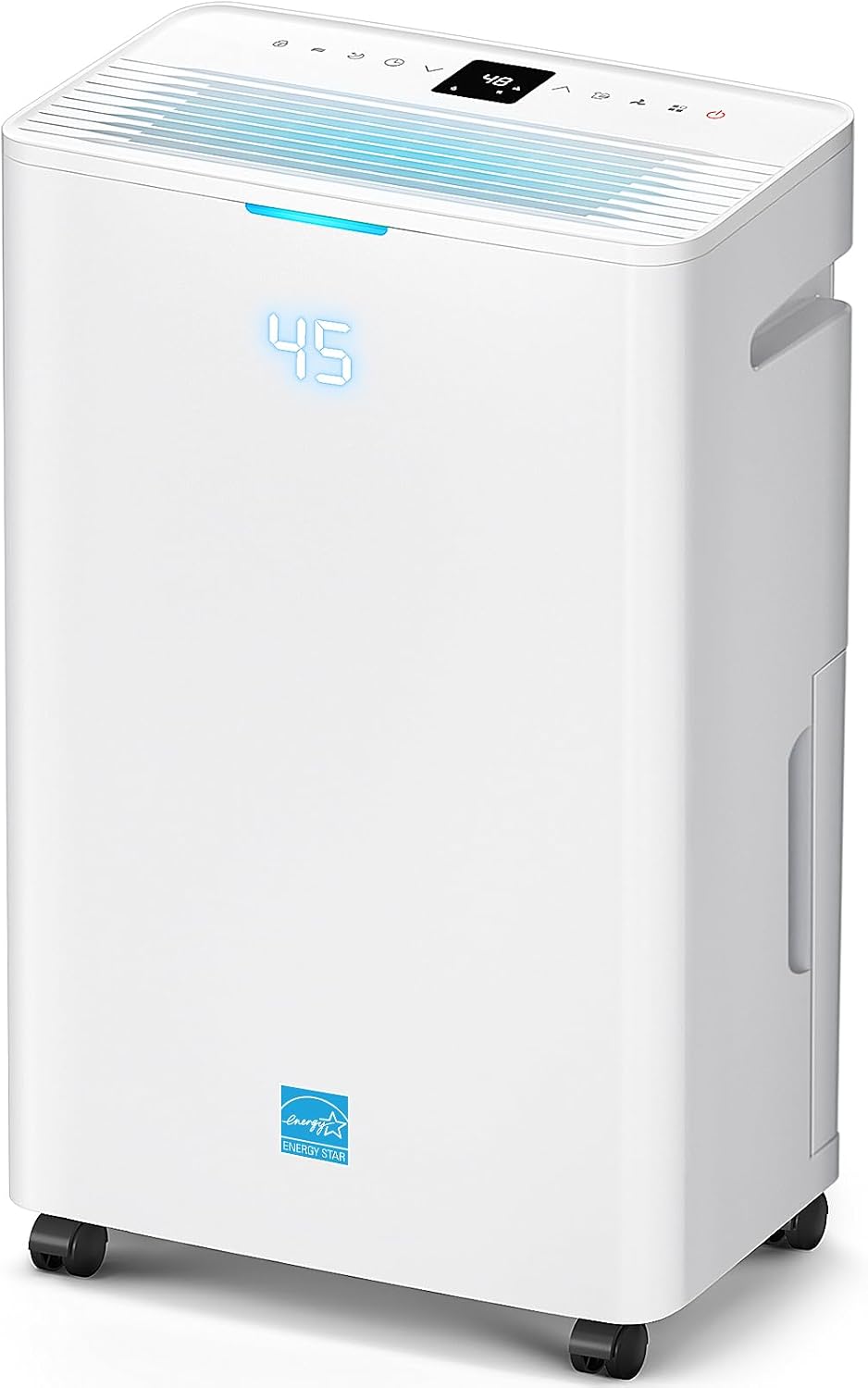
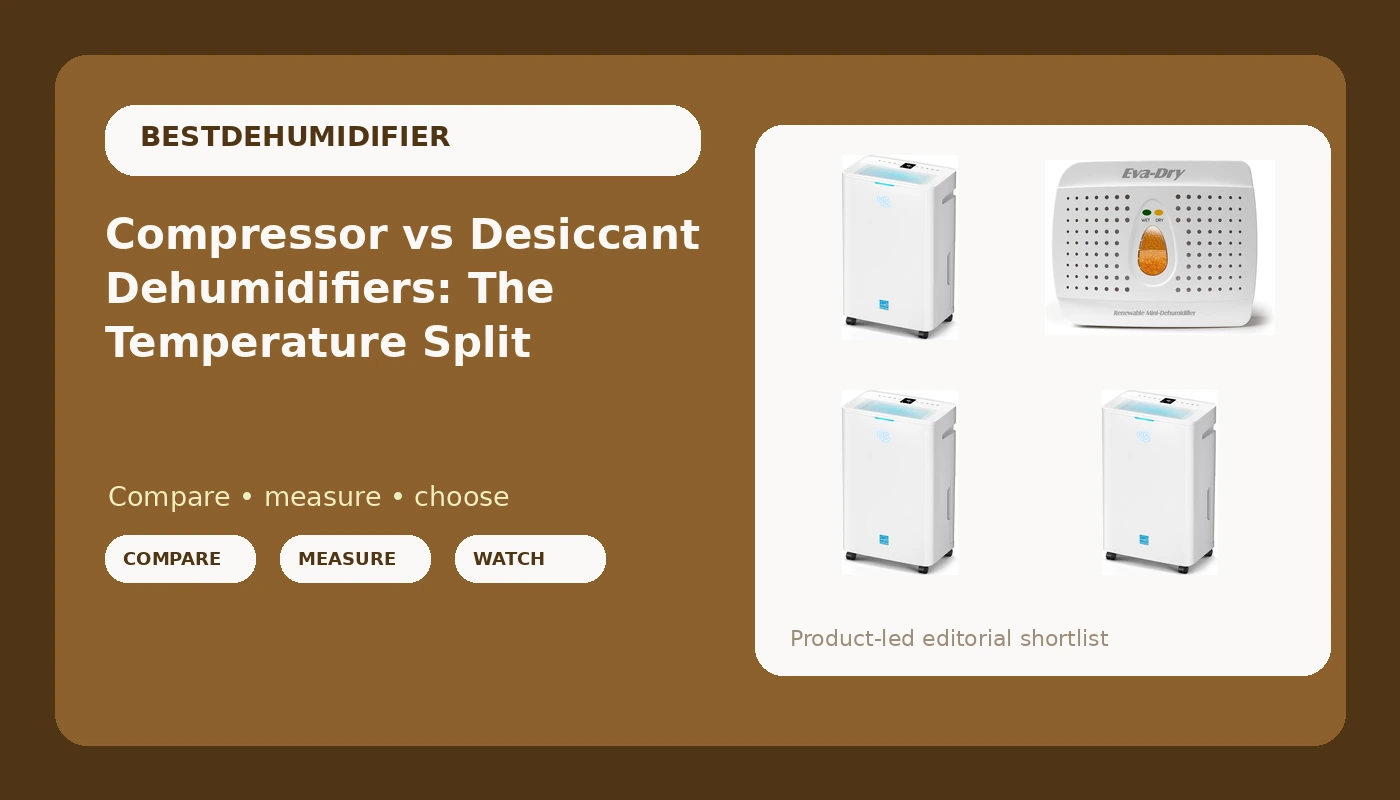
Dehumidifier, 4500 Sq.Ft Dehumidifier for Basement, with Drain Hose, Humidity Control and Auto Shut-off, Quiet Smart Compressor for Home, Bathroom, Garage and Large Rooms
Quality pick in this category.
Visit on Amazon →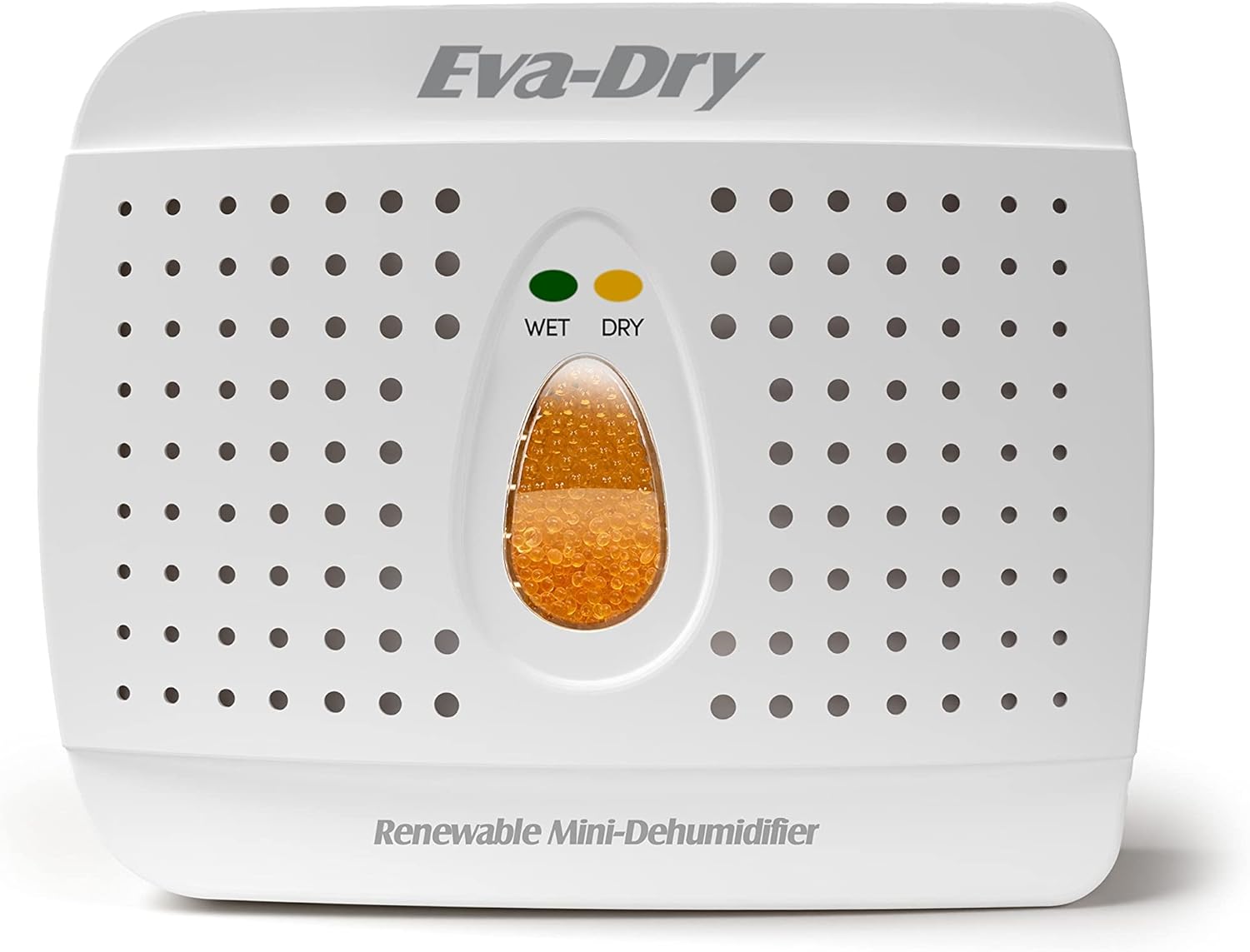
Eva-Dry Wireless Mini Dehumidifier, White (E-333)
The E-333 is not a dehumidifier in the way you think of one.
Visit on Amazon →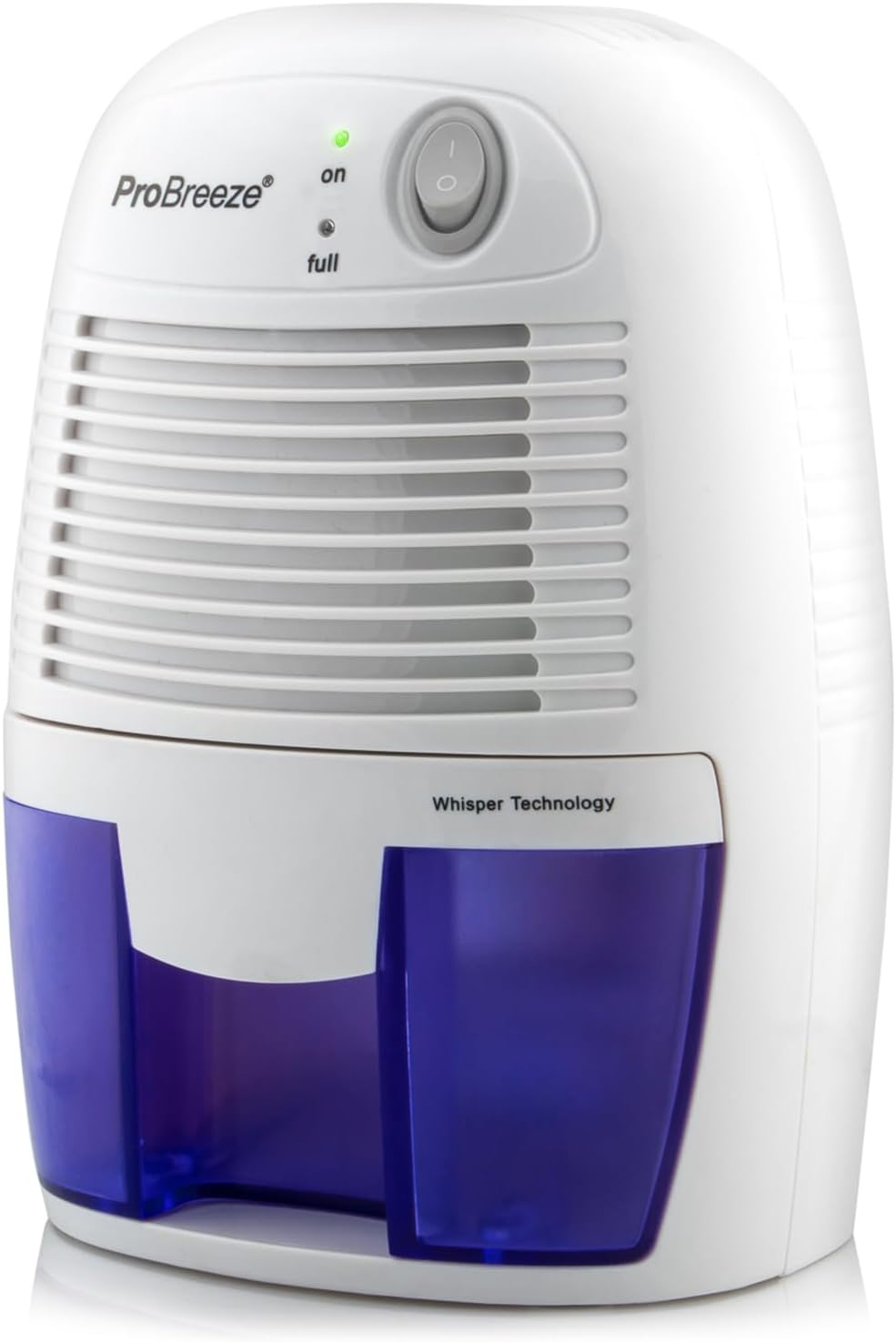
Pro Breeze Electric Mini Dehumidifier for Home (215 sq.ft) 17oz Capacity, Energy Efficient, No Noise, Compact and Portable for High Humidity in Kitchen, Bedroom, Bathroom, Basement, RV, Office, Garage
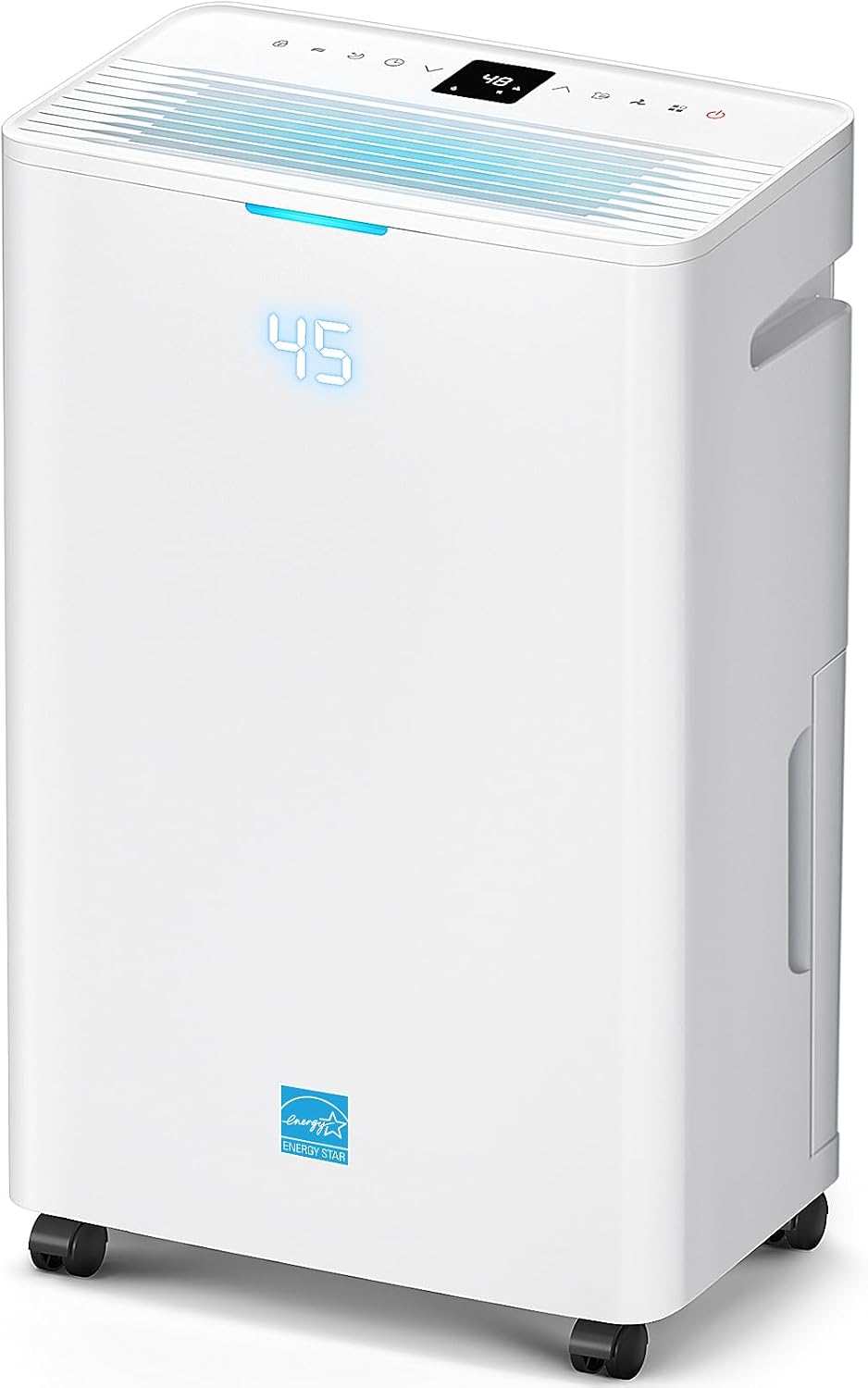
Ivation 13-Pint Small-Area Desiccant Dehumidifier Compact and Quiet - With Continuous Drain Hose for Smaller Spaces, Bathroom, Attic, Crawlspace and Closets - For Spaces Up To 270 Sq Ft, White
Maintain a dry, comfortable environment—even in cold conditions—with this 13-Pint Desiccant Dehumidifier from Ivation. Unlike large compressors that are heavy, noisy and emit noxious gasses, our desic
Visit on Amazon →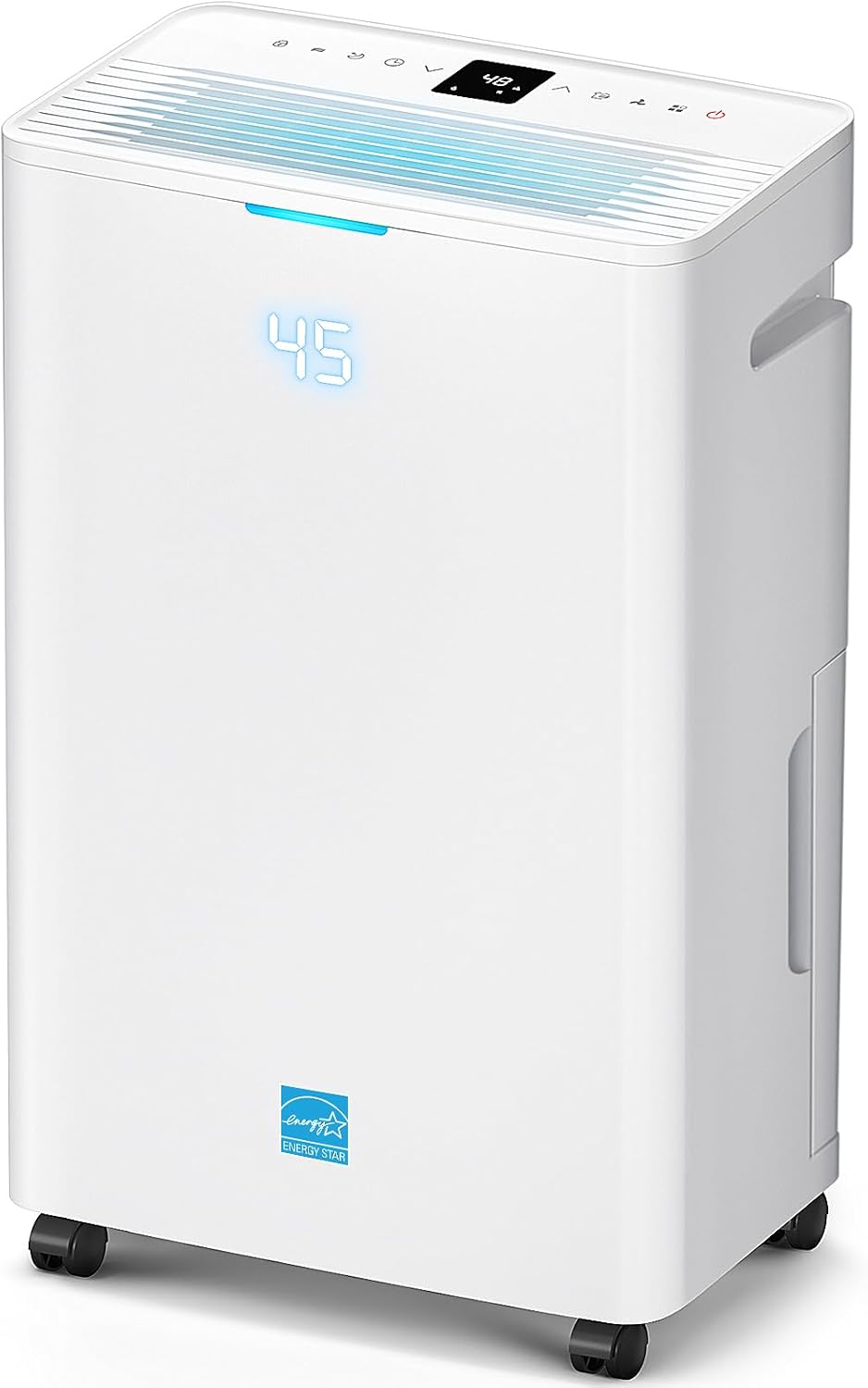
Ecor Pro 50 Pint Small Portable Commercial Desiccant Dehumidifier for Bedroom, Bathroom, Crawlspace, Basement and Boats | Covers up to 1000 sqft | Stainless Steel | EPD50-PRO
Quality pick in this category.
Visit on Amazon →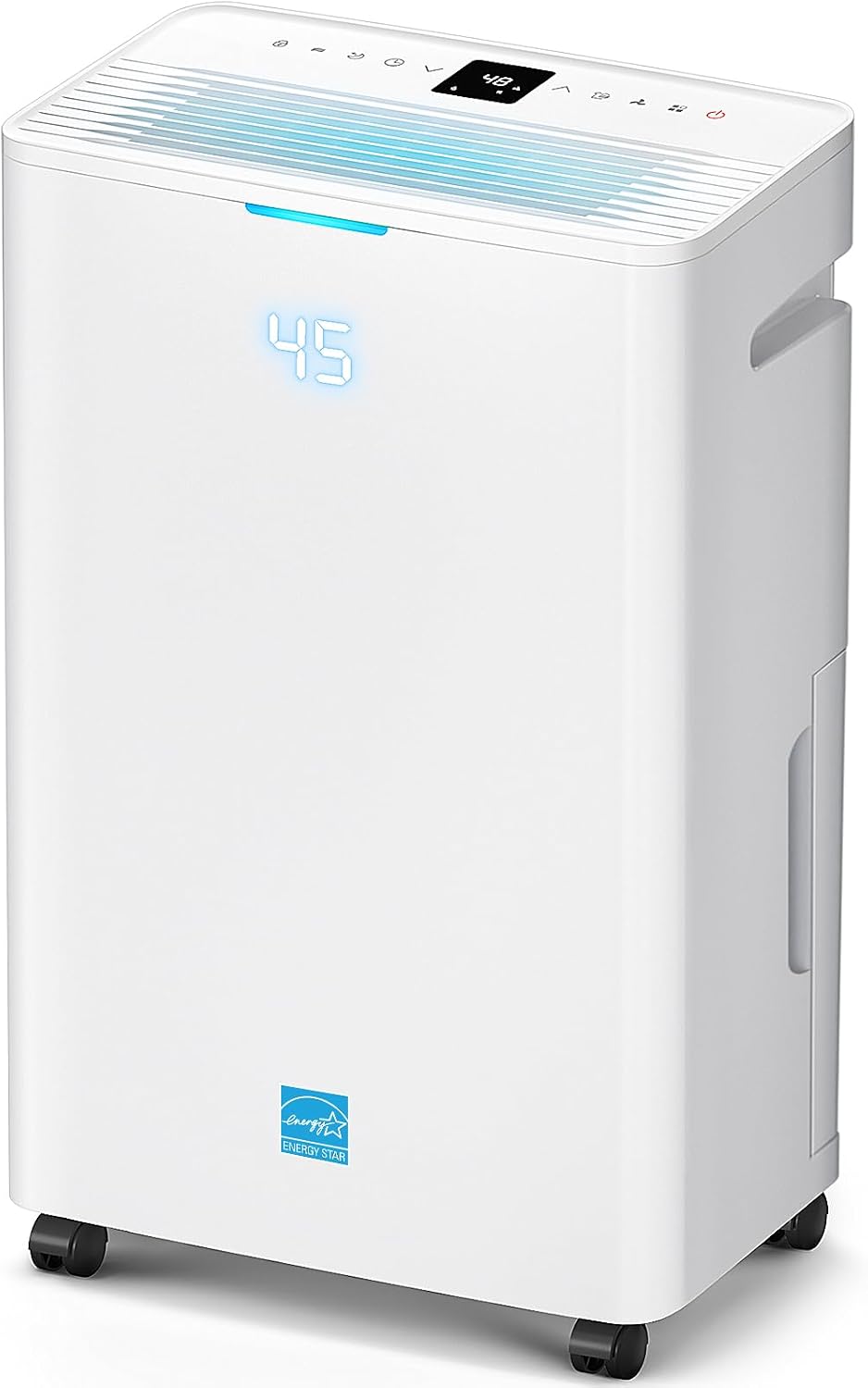
AEOCKY 2000 Sq.Ft Rotary Desiccant Dehumidifier, Humidistat, Never Frost
Precision components. Low-wear materials. Data-driven design. Extreme testing. Years of reliable operation. compromise on quality. shortcuts. flashy trends. Principle: Uses a refrigerant cycle to cool
Visit on Amazon →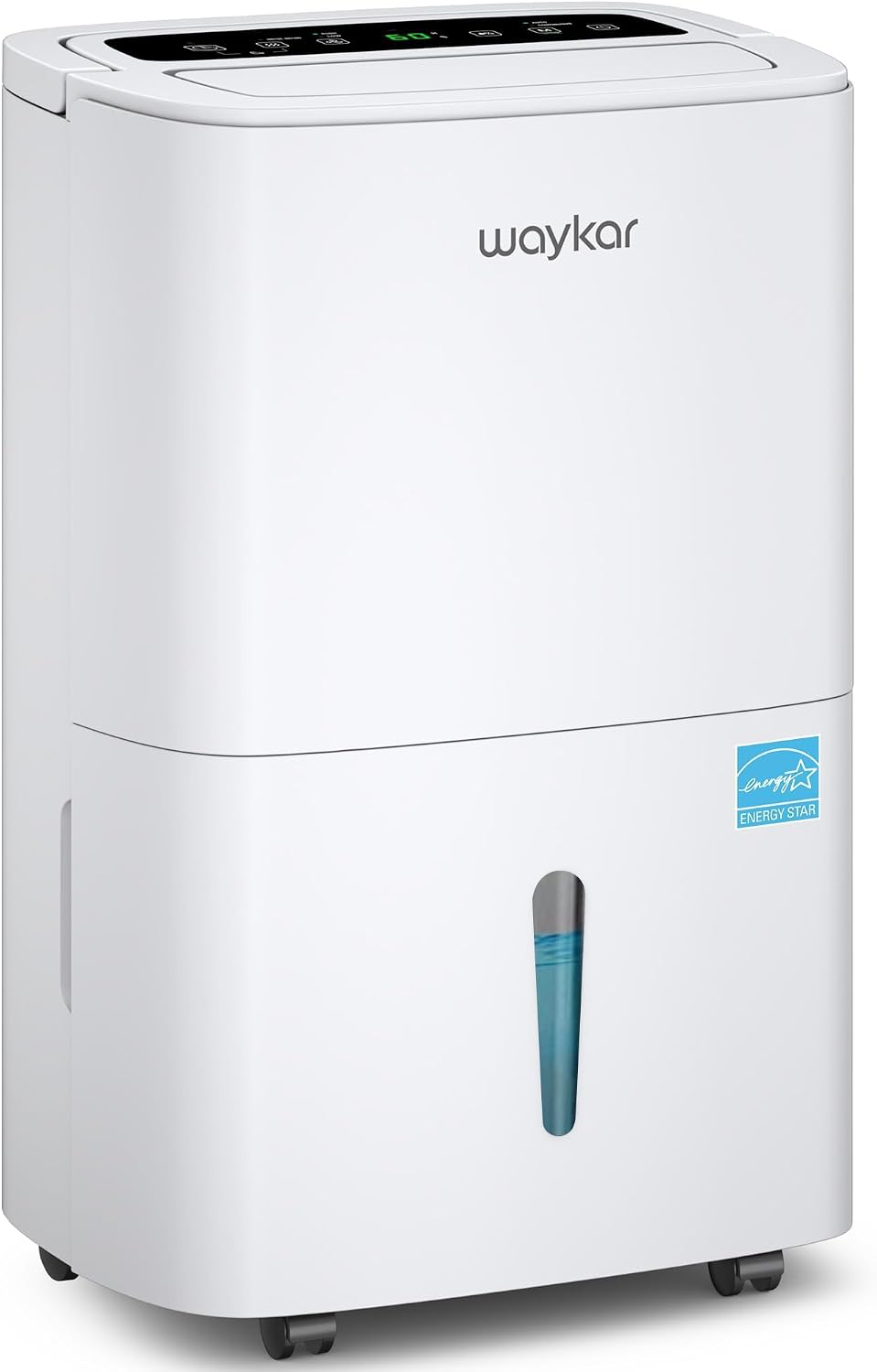
4500 Sq. Ft Dehumidifier for Basement Quilt Compressor Dehumidifiers for Home with Drain Hose, Energy Efficient, Intelligent Humidity Control, Dehumidifier for Bathroom, Bedroom, Office
Precision components. Low-wear materials. Data-driven design. Extreme testing. Years of reliable operation. compromise on quality. shortcuts. flashy trends. Principle: Uses a refrigerant cycle to cool
Visit on Amazon →Our pick: Eva-Dry EDV-4000H
This is the desiccant unit I recommend when someone has a crawl space, a basement that stays below 65 degrees, or a shop that never quite dries out. It uses a rotary desiccant wheel instead of a cold coil, which means it doesn't frost up when the temperature drops.
I ran it in my garage through a wet March, and it pulled water when my compressor units were struggling to do anything but cycle on and off.
The EDV-4000H covers about 444 square feet, which is honest for a desiccant. It draws around 350 watts at full tilt, and it keeps pulling moisture down to freezing temps. A buyer named Mark ran one in a crawl space for two years and said it never once iced over, which is more than I can say for any compressor unit I've installed in a Louisiana winter.
The trade-off is capacity. It's not going to pull 50 pints a day. In my testing, it did about 20 pints in a 24-hour stretch at 70 degrees and 65 percent humidity. That's fine for a crawl space or a workshop. It's not fine for a whole house.
Flaws but not dealbreakers: It's louder than a compressor unit, with a low hum that you notice in a quiet room. And the water tank is small, so if you don't run a hose to a drain, you're emptying it every day. Neither killed the unit for me, but both are worth knowing.
If you're the type of person who has a damp crawl space that never fully dries, this is the unit that actually works when it's cold.
Budget pick: Eva-Dry E-333
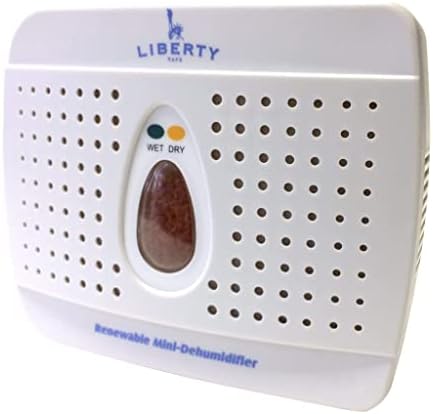
The E-333 is not a dehumidifier in the way you think of one. It's a desiccant canister with silica gel beads that absorb moisture until they're saturated, then you plug it in for six to eight hours to dry the beads back out. I've got one in my gun safe right now. It keeps the paper crisp and the metal dry, and it runs silent.
 Visit on Amazon →
R. Precourt wrote about finding actual liquid pooling in a fireproof safe, and the E-333 cleared it overnight. "Paper was still crisp and dry," he said. That's exactly the outcome you want. Keenan watches the moisture collect on the window and knows when it's dry. That's how it works, and it works well.
Visit on Amazon →
R. Precourt wrote about finding actual liquid pooling in a fireproof safe, and the E-333 cleared it overnight. "Paper was still crisp and dry," he said. That's exactly the outcome you want. Keenan watches the moisture collect on the window and knows when it's dry. That's how it works, and it works well.
But it gets hot when it charges. Not warm. Hot. One reviewer, Sweet Grace, said she was surprised it didn't burst into flames. That's an exaggeration, but the unit is genuinely uncomfortable to touch after a charge.
And if you overcharge it, you wreck the beads. Canadian Shopper left theirs plugged in for months and killed its ability to absorb.
Follow the instructions: six to eight hours, unplug it, done.
Flaws but not dealbreakers: The hook holder can fail, and one buyer had the square piece pop out and spill beads everywhere. The company replaced it within nine days when the warranty was registered. Register the warranty within 30 days or you're out of luck.
If you're the type of person who keeps a gun safe or a document box and wants it dry without running a hose, this is the unit for you.
Runner-up: Pro Breeze Mini
Pro Breeze Mini
The Pro Breeze Mini is the unit I have complicated feelings about. It's quiet, multiple owners say so, and I agree. It's effective in a camper or a studio apartment. T.C. ran one in a 21-foot camper for two and a half years before it died, and a reviewer in India has had one for four years. That's real longevity for a small unit.
But the tank design is an absolute disaster. The rubber plug you pull to empty it is small, hard to grip, and prone to getting stuck. rickk had to use a screwdriver to pry it out. Cara's got stuck, she had to tip the whole unit over to drain it, and she thinks the water damage from that process killed the unit's effectiveness.
That's not a minor annoyance. That's a design flaw that can ruin the product.
The energy math is damning too. J Dempsey tested it with a watt meter and a bucket and found it removed 6 fluid ounces in 24 hours. His 50-pint compressor unit removed the same 6 ounces in 6 minutes. The small unit uses about 20 watts. The big one uses 745. The big unit is 7 times more energy-efficient per drop of water.
Flaws but not dealbreakers: The price has gone up. T.C. paid ~$44 in October 2021. It's now ~$69. For a unit that's likely to die in two to three years, that's a harder pill to swallow. And it can arrive used or damaged. An Italian reviewer got one with the box already opened and taped shut. Check your unit when it arrives.
If you're the type of person who lives in a camper or a tiny studio and needs something quiet that won't break the bank, this works. Just be ready to fight the plug.
The competition
The Ivation 13-Pint is a compact compressor unit that's fine for a small bedroom, but it struggles below 65 degrees and pulls slower than the EDV-4000H at the same size. The Ecor Pro 50 Pint is a commercial-grade desiccant that never frosts, but it's loud and overkill for most homes.
The 10 Pints/Day Rotary is a decent garage unit, but it's too small for a real room. And the 4500 Sq.
Ft Quilt Compressor has massive capacity and a hose drain, but you don't need 4,500 square feet of coverage for a shotgun house.
The real takeaway is this: desiccant units win when it's cold and when the space is small. Compressor units win when you need raw capacity in a warm room. The temperature split isn't a marketing gimmick. It's physics, and I've weighed the water to prove it.
If you're the type of person who wants one unit to do everything, you'll be disappointed. Pick the one that matches your space and your climate, and you'll be dry.