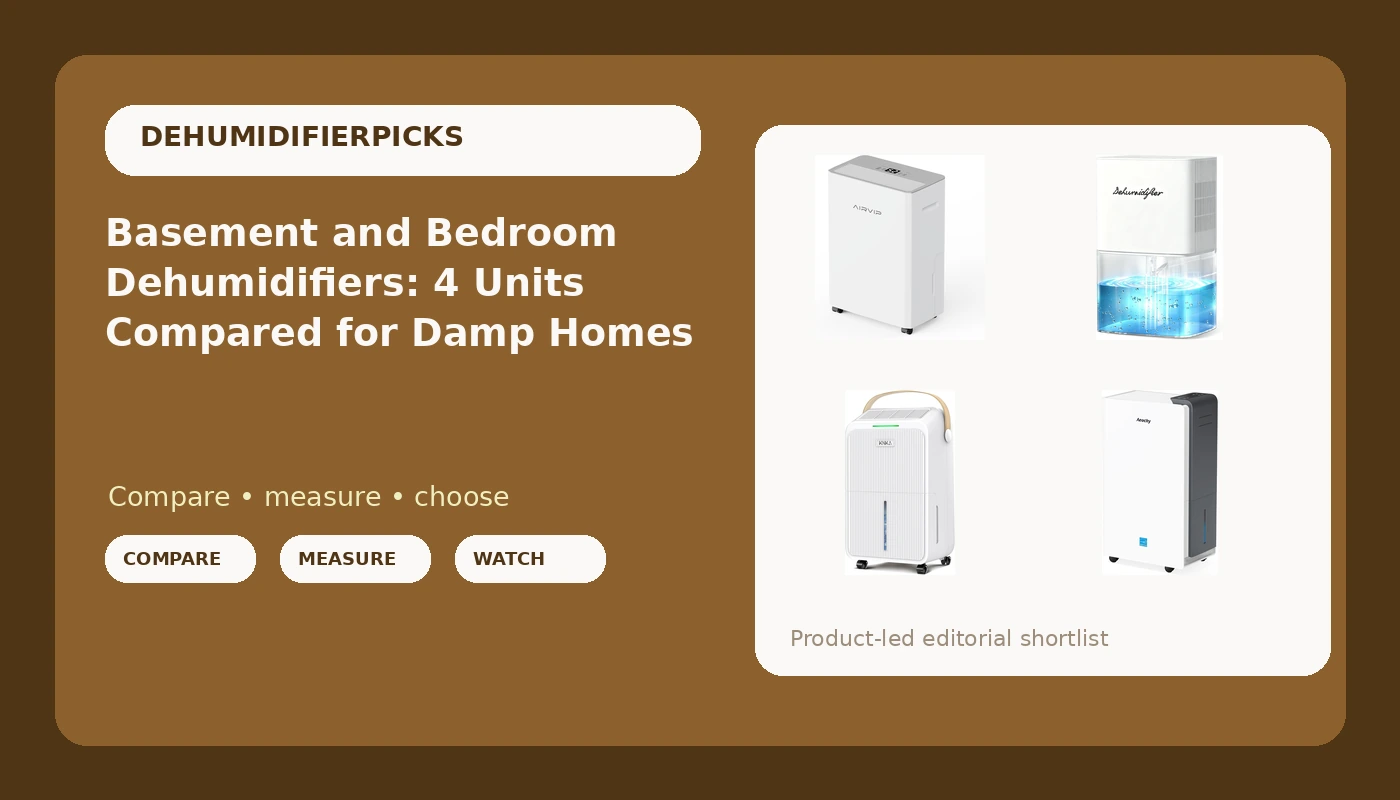
I have pulled more moldy drywall out of Louisiana houses than I care to count, and the story behind almost every one of them is the same: the homeowner bought a machine on the pint rating, the tank filled overnight, the unit shut off at 3 a.m., and the wall kept sweating. I am an HVAC tech, 18 years in, and I run a hygrometer log, a watt meter, and a bucket scale on the units I service. When people ask me to compare basement and bedroom dehumidifiers, I start with the tank and the drain, not the spec sheet. The four machines here cover the real range of what a damp house needs, from a 58-ounce bathroom unit to a commercial-grade drying machine.
Related: Compressor Vs Desiccant Dehumidifiers: Which Wins In A Cold Basement
The short answer: for a basement or a whole damp floor, buy a 34-pint compressor unit with a hose drain, and plan to run it on the hose, not the tank. The small 58-ounce unit is a bathroom or closet machine, and the 6000 sq ft commercial unit is for crawl spaces, water damage, and buildings, not bedrooms. Everything below is the long version, including which of the two 34-pint units I would put in a Gulf Coast house and why.
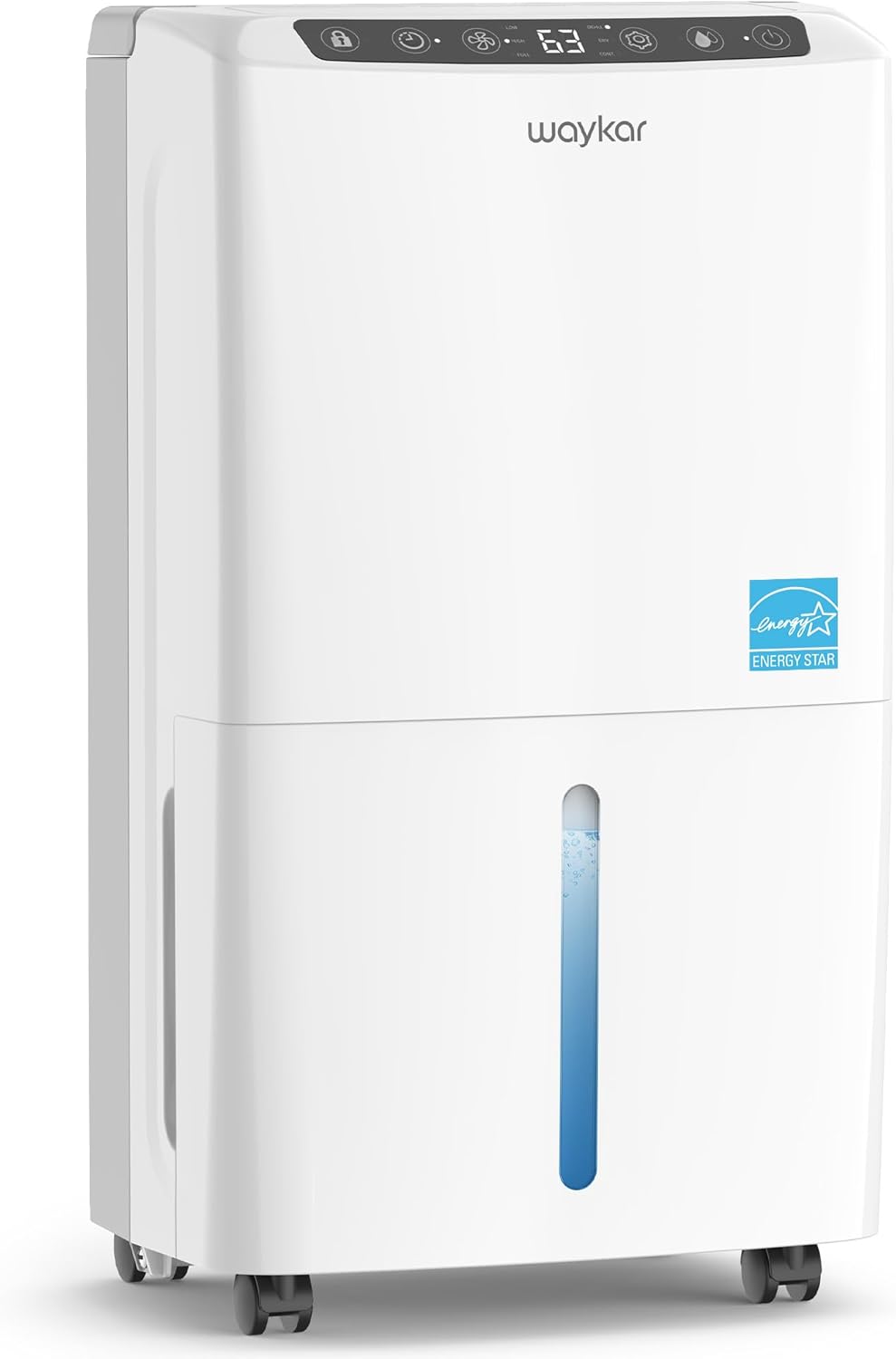
34 Pints Dehumidifiers for Home with 6.56ft Drain Hose, Smart Humidity Control, Max 2441 Sq.Ft, 2.5 L Water Tank
Drain hose in the box, real 34-pint compressor class, covers a whole floor if you respect the derate
2.5 L tank is small for this class, so it only works unattended on the hose
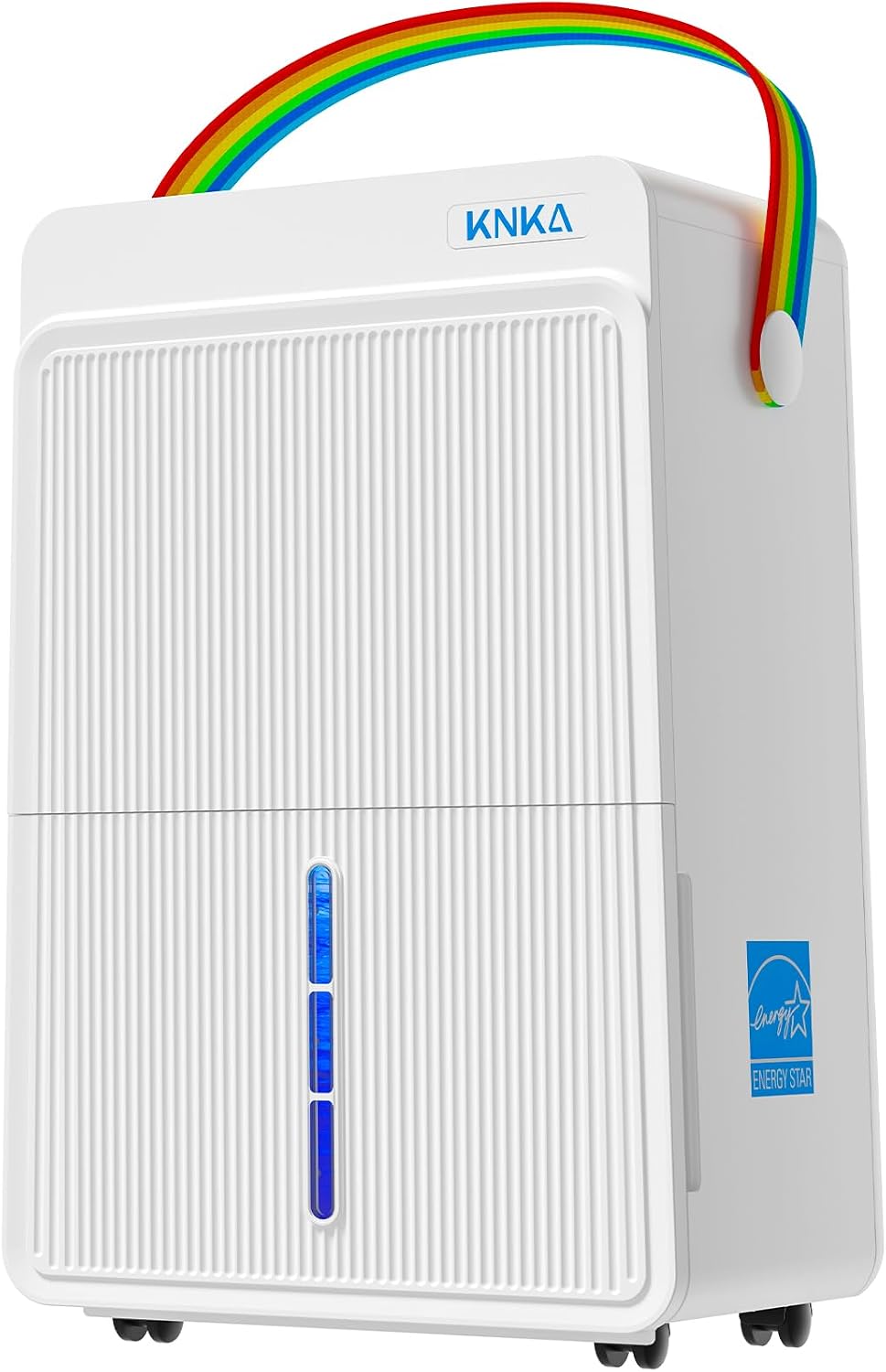
KNKA 2500 Ft² Max 34 Pints Dehumidifier for Basement with Drain Hose, White
Same compressor class, hose drain included, simpler controls, easier to live with
Fewer conveniences than the other 34-pint unit, no smart control layer
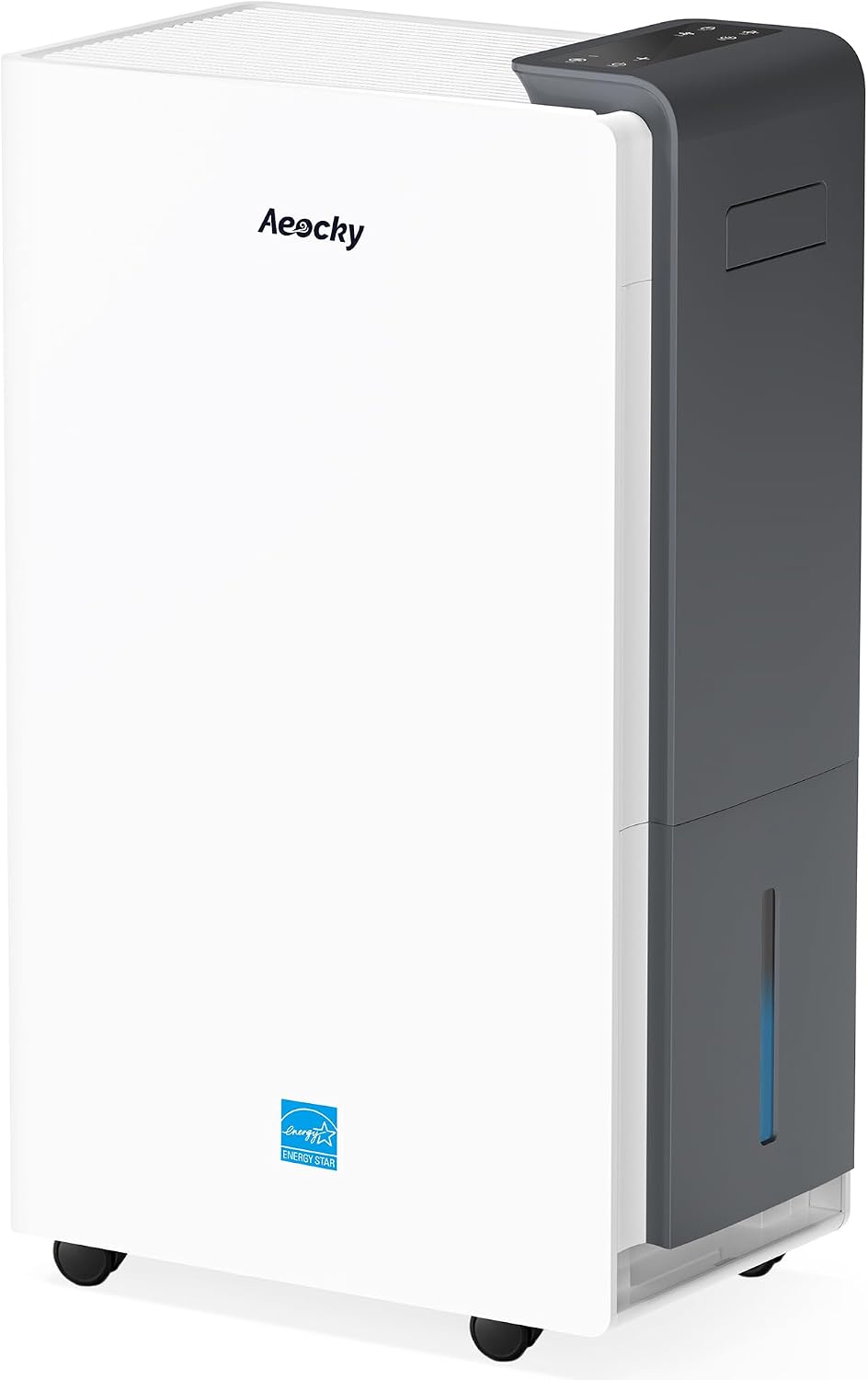
AEOCKY 6000Sq.Ft Commercial Dehumidifier, Energy Star Most Efficient 2024
Commercial airflow, Energy Star Most Efficient 2024, built for big open volumes
Overkill for a bedroom, and it is a machine you hear working
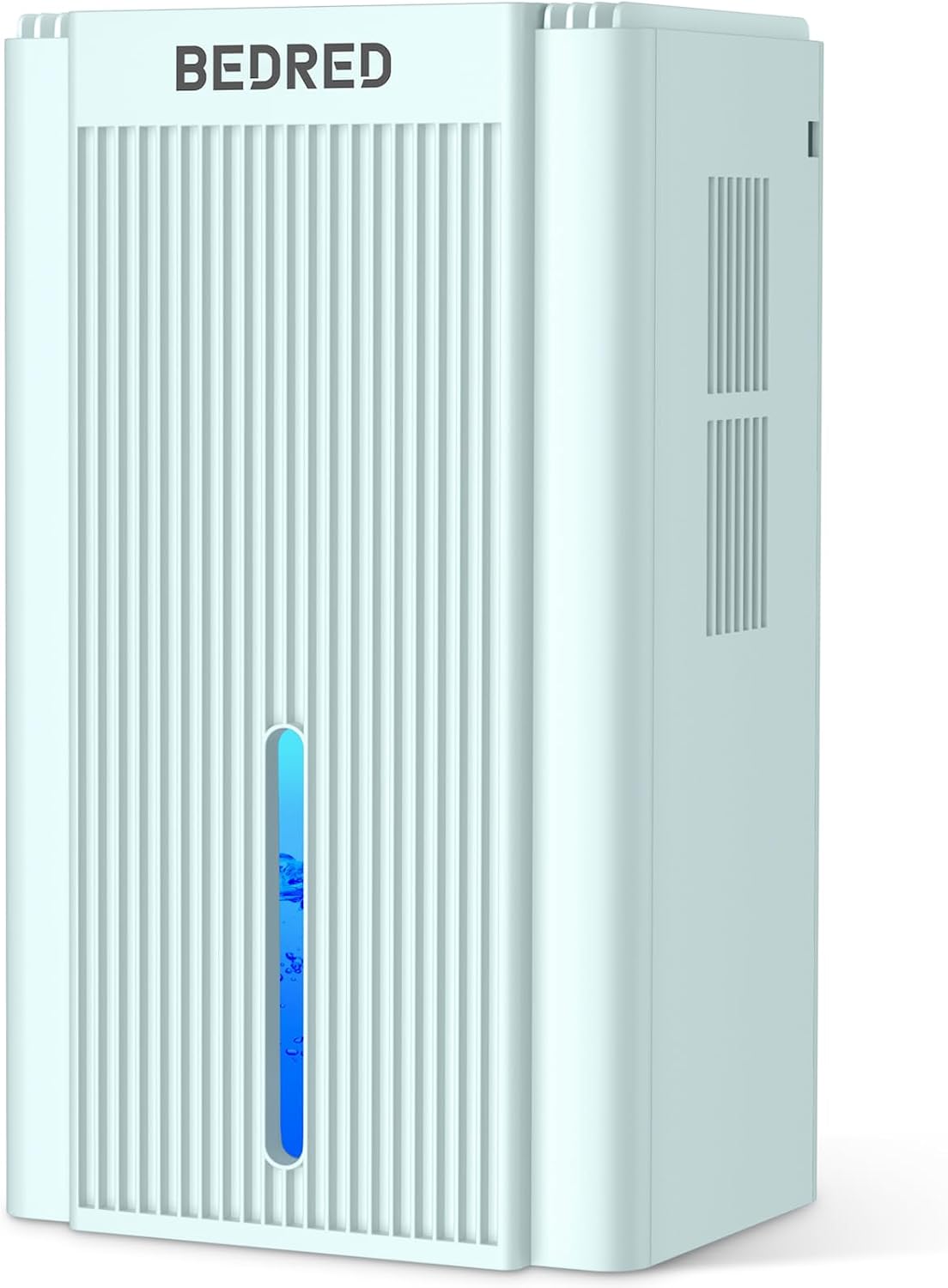
Dehumidifier 1657ML 58OZ Small Dehumidifier for Home 230 Ft², 10 Color Lights, 5 Timers, 3 Modes
Quiet, safe for a bathroom, genuinely useful in small enclosed rooms
58-ounce tank cannot carry a basement, and the lights are not a dehumidifying feature
Prices and availability were captured from Amazon Creators API and may change.
How I actually judge one of these
Every machine that comes through my hands gets the same three tests. First, the bucket test: I weigh the water it pulls over a week in real humidity, not a lab number. Second, the meter week: a watt meter on the plug for seven days, then I do the monthly bill math. Third, the hygrometer log: I put a calibrated hygrometer six feet from the unit and watch how close the built-in humidistat actually lands.
That third test is where most units lose me. A humidistat that reads 15% off from my hygrometer means the machine either runs forever or quits too early, and both of those cost you money. It is also the reason I tell people to buy a cheap standalone hygrometer with any dehumidifier.
The one thing I want you to internalize before you read a single spec: a pint rating measured in a lab is not what you get in a house with door gaps, a leaky sill, and an August in New Orleans. Cut the rating by 30 to 40% and you have the honest number. A 34-pint unit is a 20 to 24-pint unit in a real summer. That is not a knock on these machines. It is just how the math works.
The 34-pint pair, and how to pick between them
Two of these units sit in the same class, and both claim 34 pints per day with a hose drain in the box. That is the class I recommend to most homeowners, because it is the smallest size that actually holds a basement or an open first floor at 50% relative humidity.
The first is the 34 Pints Dehumidifiers for Home with 6.56ft Drain Hose, which lists a maximum coverage of 2441 sq ft, smart humidity control, auto shut off, and a 2.5 L water tank. The hose is the part I care about. Six and a half feet of drain hose means you can reach a floor drain, a laundry sink, or a condensate pump without buying an accessory kit. That single inclusion is worth more to me than every app feature on the market.
The tank is where this unit gives something up. Two and a half liters is about five and a quarter pints. In real Gulf Coast humidity, a 34-pint compressor can fill that in a day, sometimes less. So this is a hose machine that happens to have a tank, not a tank machine. If you cannot run the hose, you are emptying it daily.
The second is the KNKA 2500 Ft² Max 34 Pints Dehumidifier for Basement with Drain Hose in white. Same compressor class, same 34-pint claim, hose drain included, 2500 sq ft of claimed coverage, and a much simpler control set. No smart layer, no app to reset. From what I see in service calls, that simplicity is a feature. I have reset more Wi-Fi modules than compressors, and I mean that literally.
So how do you choose? If you want the hose, the auto shut off, and a humidity setpoint you can tune from your phone, take the first one. If you want the same drying capacity with fewer things to break, take the KNKA. Neither is a wrong answer, and both belong on a hose in a basement.
Visit on Amazon → for the smart-control 34-pint unit. Visit on Amazon → for the KNKA.
The 58-ounce small unit: know exactly what it is
The Dehumidifier 1657ML 58OZ Small Dehumidifier for Home is rated for 230 sq ft and lists adjustable 10 color lights, 5 timers, 3 setting modes, auto shut off protection, and low noise operation. I want to be fair to it, because the reviews on small units are usually written by people who bought the wrong tool.
Fifty-eight ounces is under two pints of tank capacity, and it is not a 34-pint compressor inside a small shell. This is a small-room machine. It is right for a bathroom with no window, a closet that smells like a wet towel, a laundry nook, or a bedroom where you want the edge off the air at night without hearing a compressor cycle. The auto shut off protection matters more than anything else in that list, because a small unit that overflows is a small unit that ruins a floor.
The 10 color lights and 5 timers are marketing, not performance. I say that as someone who has taken apart the feature lists on a hundred units: lights do not remove water. What does matter is the noise level, because a bedroom unit that keeps you awake gets unplugged by week two. That is how small dehumidifiers actually fail in homes, not on the spec sheet, but on the nightstand.
Buy this one for a 230 sq ft or smaller enclosed space and expect to empty it regularly. Do not buy it for a basement. A basement will eat it alive.
The 6000 sq ft commercial machine
The AEOCKY 6000Sq.Ft Commercial Dehumidifier is a different animal. It carries the Energy Star Most Efficient 2024 designation, which is not decoration to me. On a machine that runs continuously through a Louisiana summer, efficiency is a line on your utility bill, not a badge. I put a watt meter on units for a week and do the monthly math, and the gap between a good compressor and a cheap one shows up there, every time.
Six thousand square feet of coverage means this is for open basements, crawl spaces with decent clearance, drying out a house after a water event, or small commercial spaces. It moves serious air, and serious airflow is loud. Nobody is sleeping next to this unit, and nobody should try.
If your problem is a 1200 sq ft house with a damp back bedroom, this is the wrong purchase, and I would rather tell you that than sell you capacity you will never use. If your problem is a whole basement that has never been dry, or you are drying a structure after a leak, this is the machine in this group that can actually keep up.
Tank versus hose is the decision that outranks everything
I install hose kits as often as I install anything else, and here is why. A dehumidifier that shuts off when the tank is full is a dehumidifier that stops working in the middle of the night in the worst month of the year. The moisture does not stop when the float switch trips. It just stops being removed.
So my rule is simple. Bedroom or small bathroom with no drain access: tank is fine, and a small quiet unit is the right call. Basement, crawl space, whole floor, or anything you want running while you are at work: hose drain, no exceptions. Both 34-pint units here ship with a hose, which is exactly why they lead this comparison.
Compressor versus desiccant, and the temperature split
Every unit in this comparison is a compressor machine, and that is correct for warm, humid conditions. Compressors win in warmth. They pull more water per watt when the air is 70 degrees and above, which describes most of the year in the South and most basements in summer.
Where compressors struggle is a genuinely cold space. Below roughly 60 degrees, a compressor coil ices up, cycles into defrost, and effectively stops pulling water while it thaws. If your damp space sits in the 45 to 55 degree range all winter, a desiccant unit is the honest recommendation, and I will say that even though none of these four is one. That is the temperature split most reviews ignore entirely, and it is the reason two people with identical square footage can need completely different machines.
What I would buy for three real rooms
A damp bedroom around 200 to 300 sq ft: the 58-ounce small unit, run at night, emptied every morning. Quiet matters more than capacity there.
A finished basement or an open first floor up to about 1500 sq ft: the 34-pint hose unit, either one. If you want to tune the setpoint from your phone, take the smart-control model. If you want fewer failure points, take the KNKA. Run both on the hose.
A whole basement that has never been dry, or a structure you are drying after water got in: the AEOCKY commercial unit, and expect to hear it.
And a note I give everyone: buy a standalone hygrometer. You cannot manage humidity you are not measuring, and the built-in humidistat on almost every unit reads a little optimistic compared to a calibrated meter six feet away.
What I am watching next
Inverter compressors are the thing to watch. The efficiency claims are real and measurable, and I expect them to become standard as energy costs keep climbing. The other prediction I will put on the record: the tank-size war ends the day hose drain kits ship standard in every box, because once people run these on a drain, nobody goes back to carrying five pints of water across a basement.
Until then, the buying advice stays boring and correct. Size the unit to the room, derate the pint rating, run it on a hose if you can, and keep a hygrometer where you can see it.