Related: Best Dehumidifier for a Basement That Drains Itself
I have spent 18 years in other people's crawl spaces around New Orleans, and the question I get most is not which brand to buy. It is how big. Learning how to size a dehumidifier is where most homeowners go wrong, and they go wrong in the same direction every time: they buy by the square footage printed on the box and ignore the temperature, the door gaps, and the fact that a pint rating is a lab number measured under conditions your back bedroom has never seen. In real humidity, with real air leaks, I tell people to cut the advertised rating by 30 to 40 percent. That adjusted number is the one that matters.
So this is the sizing conversation I have on service calls, turned into a buying guide. Four machines, four different jobs, and an honest answer about which one belongs in your house.
Pints per day, tanks, and the temperature split
Pints per day is the headline spec, and it is also the most abused one. A unit rated at 50 pints per day was rated at 80 degrees and 60 percent relative humidity in a lab. Put that same machine in a 62 degree basement at 75 percent humidity and it will not pull anything close to 50 pints. That is not a defect. That is physics, and it is why the reference table at the end of this piece starts with the space, not the number on the box.
The second split is compressor versus desiccant. Compressor units win in warm rooms, which is most of the year here. Desiccant units hold up better in cold basements, because a compressor coil that cold ices up and the machine spends its time in a defrost cycle instead of pulling water. If your basement sits below 65 degrees in winter, that distinction matters more than brand.
The third thing is the tank, and this is the one I argue about most. The tank is the product. A unit that shuts off when the tank fills is a unit that stops working at 3 a.m. in the worst month of the year. In a bedroom, a tank is fine and a hose is a nice extra. In a basement, or anywhere you are running the machine continuously, a hose drain is non-negotiable. I install hose kits as often as I install units.
Best for a Bedroom or Bathroom: Dehumidifier 1657ML 58OZ Small Dehumidifier for Home 230 Ft²
This is the small one, and small is the point. It is rated for 230 square feet, it carries a 58 ounce tank, and it is built for the room you actually sleep in: adjustable 10 color lights, five timers, three setting modes, auto shut off protection, and low noise operation. If your problem is a damp bedroom, a bathroom with no window, or a closet that smells like the underside of a house, this is the size of machine that fits the job.
The honest framing: 230 square feet is one room, not a floor. Do not buy this expecting it to dry out a whole basement, because it will not. What it will do is take the edge off a single space, and the timers and modes mean you can run it overnight without it announcing itself every cycle.
Best for a Single Room: ToLife Dehumidifier, 1000 Sq Ft 95 oz Tank with Sleep Mode, Auto Shutoff
The ToLife steps up to 1,000 square feet with a 95 ounce tank, sleep mode, and auto shutoff. That 95 ounce tank is roughly three quarts, and it is the difference between emptying a tank once a day and emptying it twice. Sleep mode matters more than people give it credit for, because the machine that wakes you at 2 a.m. is the machine you unplug, and an unplugged dehumidifier pulls exactly zero pints.
This is the unit I would point a renter, or a homeowner with one genuinely damp living area, toward. It is sized for a real room rather than a closet, the tank is big enough to survive a night, and the auto shutoff protects the floor when it fills while you are at work.
Best for a Basement: 2500 Sq.Ft Dehumidifier for Basement, Max 32 Pints/Day
Here is where the sizing conversation gets real. This one is rated for 2,500 square feet with a maximum of 32 pints per day. Thirty-two pints is about four gallons, which is working capacity for a basement that stays damp, and it is the class of machine I want below grade.
Basements are the hardest job in this category for two reasons. The first is temperature: a basement runs cooler than the rest of the house, which pushes a compressor unit toward its defrost cycle and eats into the pints it actually delivers. The second is that nobody wants to carry a tank up a flight of stairs. Whatever you buy for a basement, plan on a hose drain. That is not a preference, it is the difference between a machine that runs and a machine that quits in July.
Best for a Whole Floor: AEOCKY 5500 Sq.Ft Energy Star Version 6.0 Dehumidifier for Home
The AEOCKY is the big machine of the group: 5,500 square feet of coverage and Energy Star Version 6.0 certification. At that coverage you are no longer treating a room, you are treating a level of the house, and that changes how you think about the electric bill. Energy use is a monthly cost, not a spec sheet line. A unit this size running continuously will show up on your power bill, and the Energy Star rating is the closest thing you have to a real efficiency benchmark before you buy.
If you are dealing with an open-plan first floor, a finished basement plus a garage, or a house where the humidity never really drops, this is the size that keeps up. If you are dealing with one damp bedroom, it is more machine than the job needs and more noise than you want in a hallway.
How I judge these machines
I run units through the same checks, and none of them involve the marketing copy.
- Actual pints pulled. I weigh the water. A machine that claims a big number and delivers two-thirds of it in real Gulf Coast humidity is a machine rated in a lab, not in a house.
- Tank behavior. How it carries, whether it sloshes, whether the shutoff actually triggers before the floor gets wet.
- Restart behavior. What the unit does after a power outage. Some come back in fan-only mode, blowing air around a wet room and doing nothing. That is a design flaw, not a quirk.
- Humidistat accuracy. I check the set point against a hygrometer. I have seen humidistats off by 15 percent, which means you are either running longer than you need or shutting off while the room is still wet.
- Filter cost. A $30 filter that needs replacing every month is a subscription, not a feature.
- Energy draw. A watt meter for a week, then the math against your local rate.
Dehumidifier sizing and placement reference table
This is the table I keep in the truck. Match the space first, then shop the machine. Coverage numbers are the manufacturer's, and you should discount them for temperature and air leaks the way I described above.
| Space | What to shop for | Product to start with | Notes |
|---|---|---|---|
| Bedroom, bathroom, or closet, 230 ft² or less | Small tank, low noise, timer, auto shut off | 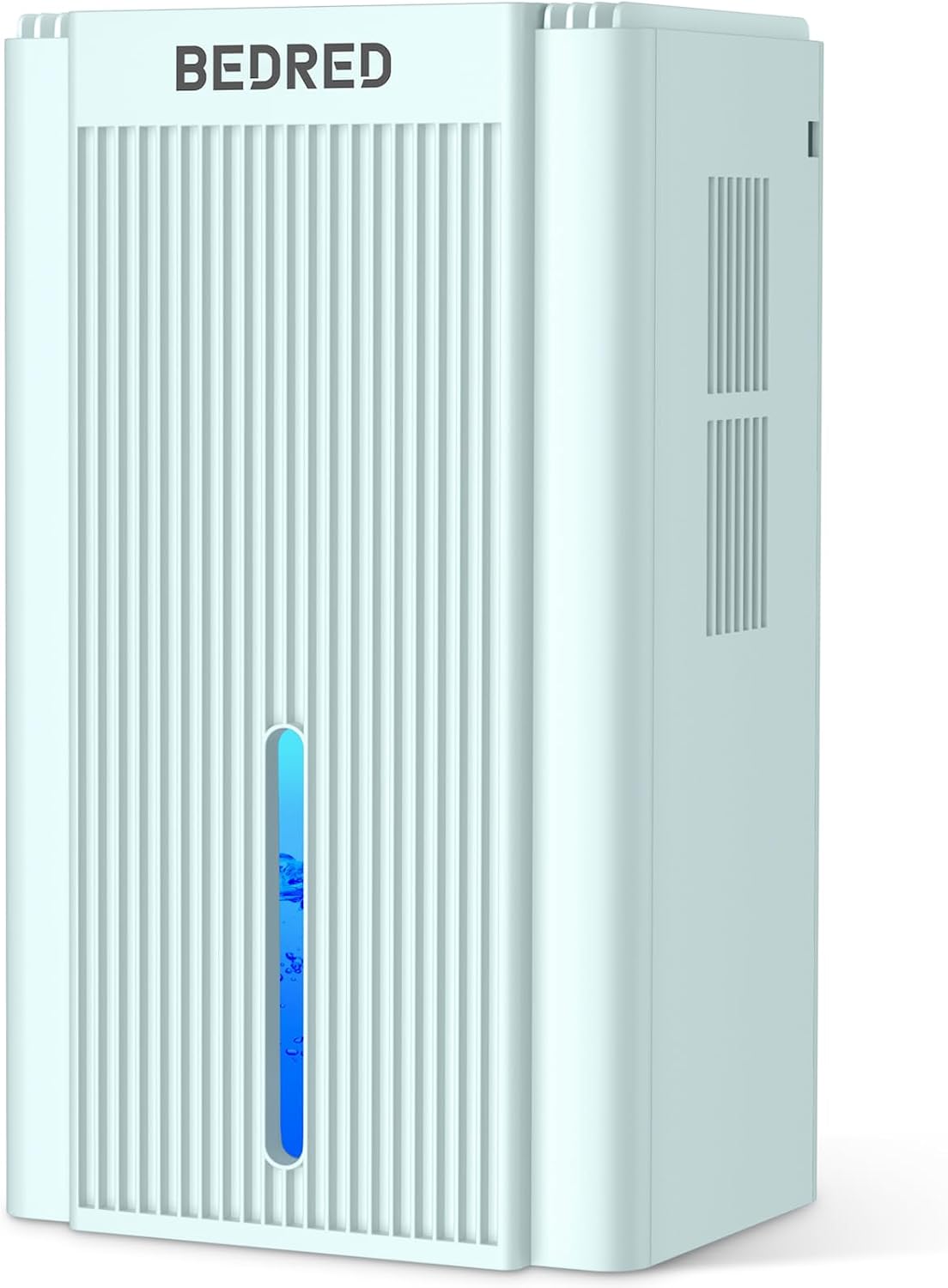 Visit on Amazon → Visit on Amazon →Dehumidifier 1657ML 58OZ Small Dehumidifier |
One room only. Empty the 58 oz tank daily. |
| Single room or small apartment, up to 1,000 ft² | 95 oz tank, sleep mode, auto shutoff | 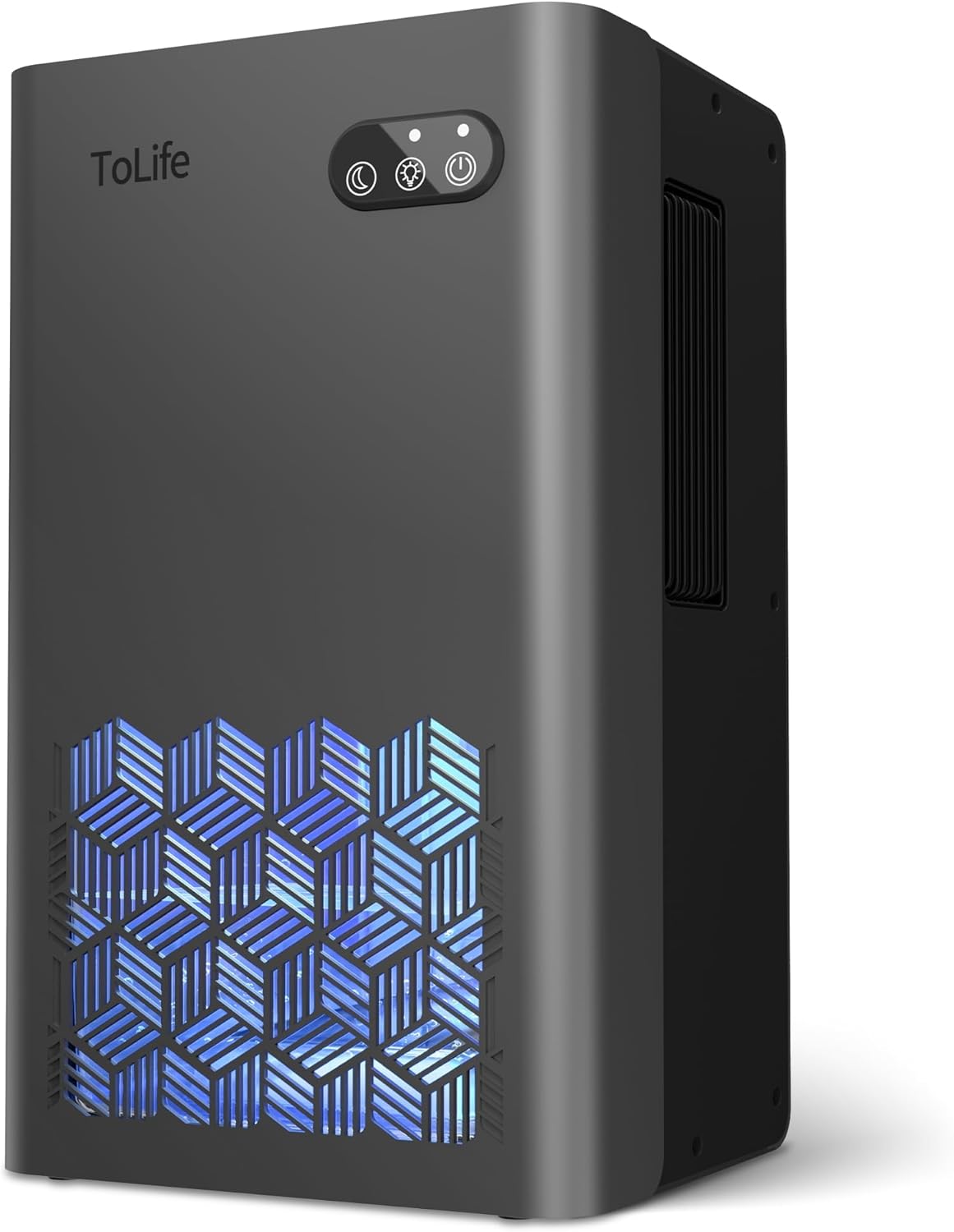 Visit on Amazon → Visit on Amazon →ToLife Dehumidifier, 1000 Sq Ft |
Big enough tank to run overnight. |
| Basement, up to 2,500 ft² | 30+ pints per day, hose drain, auto restart | 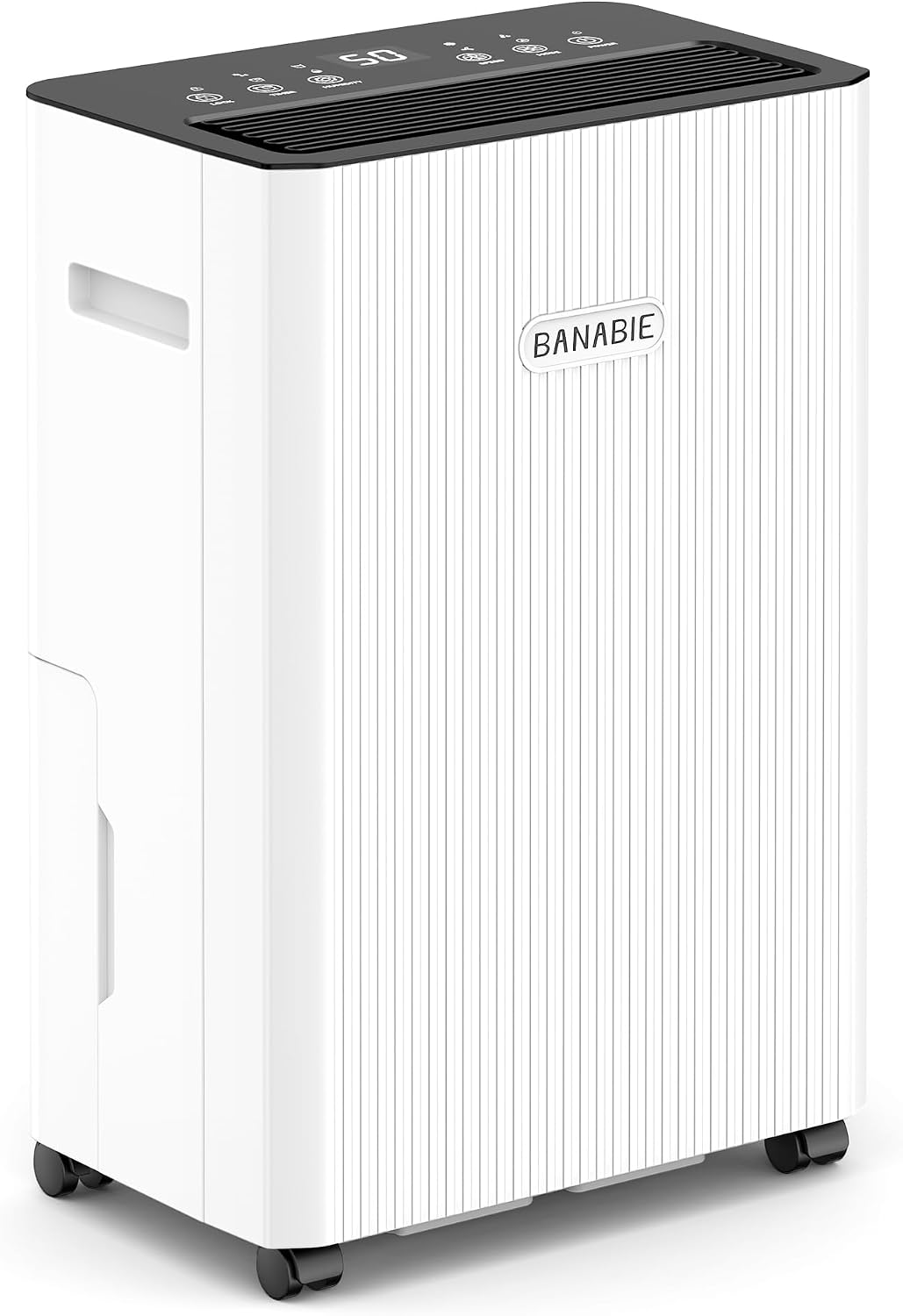 Visit on Amazon → Visit on Amazon →2500 Sq.Ft Dehumidifier for Basement |
Add a hose kit. Carrying a tank upstairs gets old fast. |
| Whole floor, up to 5,500 ft² | Energy Star, large tank, hose port | 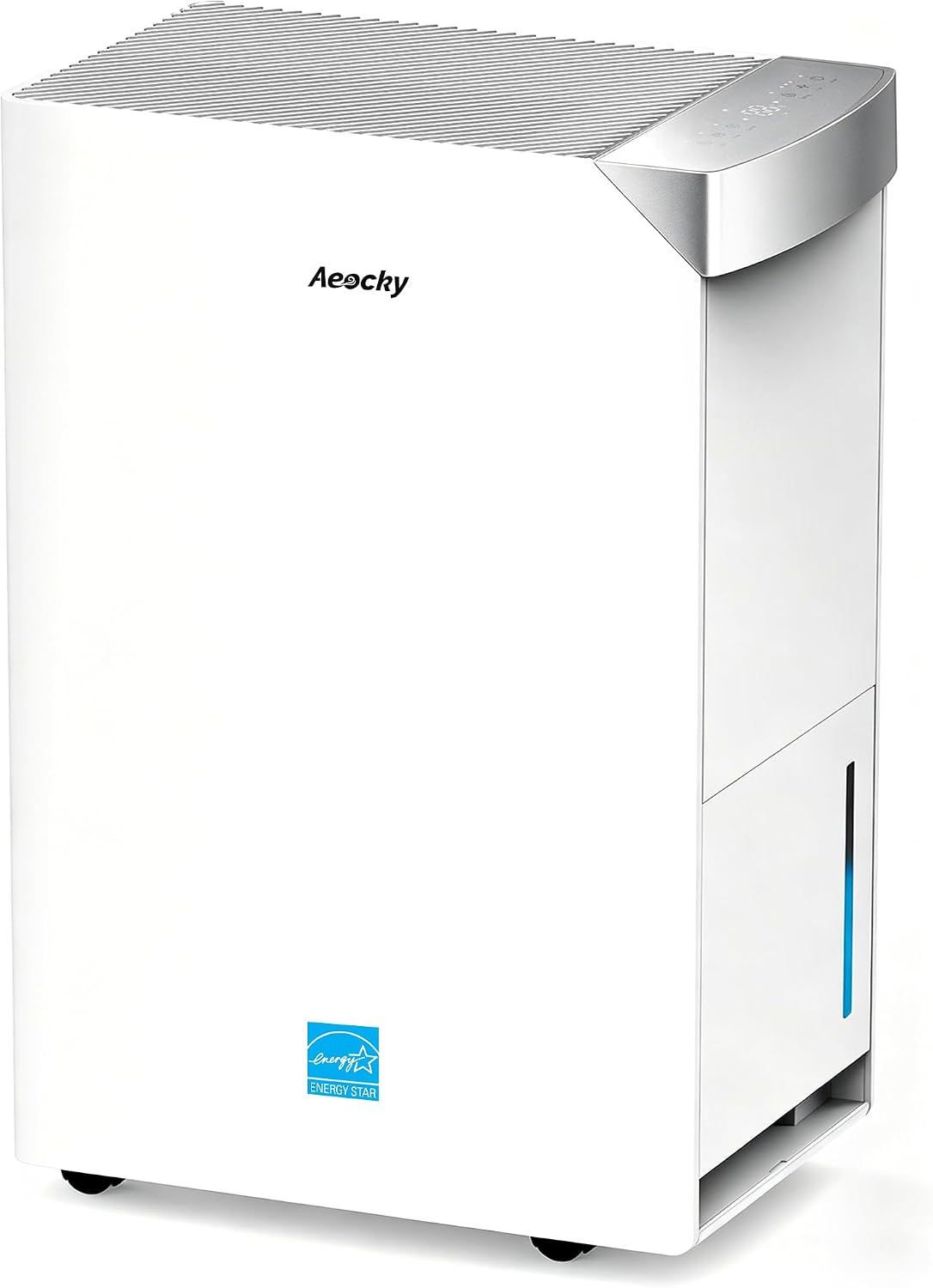 Visit on Amazon → Visit on Amazon →AEOCKY 5500 Sq.Ft Energy Star Version 6.0 |
Check the meter for a week before you commit to running it 24/7. |
Two placement rules go with that table. Keep the unit off the exterior wall and away from the supply vent, because a dehumidifier sitting in a cold draft fights itself. And close the room. A machine sized for 1,000 square feet trying to dry an open floor plan is a machine sized for nothing.
Should you buy the AEOCKY 5500 Sq.Ft?
Yes, if you are treating a whole level rather than a room. It is the largest coverage in this group at 5,500 square feet, and the Energy Star Version 6.0 rating gives you something real to compare against when you are running a compressor for months at a time. That rating is the part I care about, because energy is a monthly bill and not a bullet point. Buy it for an open first floor or a finished basement plus garage. Do not buy it for one damp bedroom.
Should you buy the 2500 Sq.Ft Dehumidifier for Basement?
Yes, for below-grade space. Max 32 pints per day is roughly four gallons of water a day at the top end, and that is the capacity class a wet basement needs. Add a hose. That is the single upgrade that turns a dehumidifier from a chore into an appliance, and it is the one I install most often on service calls. If your basement sits cold in winter, watch how much time it spends defrosting and consider a desiccant unit instead.
Should you buy the ToLife or the small 58 oz unit?
It depends on the room. The 58 ounce unit is the right call for a bedroom, a bathroom, or a closet at 230 square feet, where a small quiet machine with timers and auto shut off is all the job requires. The ToLife is the right call when the space is a genuine living area up to 1,000 square feet and you want a 95 ounce tank and sleep mode so the machine survives the night without you getting up to deal with it.
Buy the room, not the rating. That is the whole conversation, and it is the one thing that keeps people from buying a machine that quits on them in August.