Related: Best Dehumidifier for a Basement That Stays Damp All Summer
Every August I get the same call. A homeowner in Gentilly or Metairie tells me the back bedroom smells like a wet towel, the window unit has been running since June, and the hygrometer I told them to buy is parked at 68 percent. They want one machine that fixes all of it. Sometimes one machine does. Most of the time, choosing a dehumidifier for a damp crawlspace or bedroom comes down to three things I can check in ten minutes: the temperature of the space, where the water is going to go, and what the pint rating actually means in a house with door gaps.
I have been an HVAC tech on the Gulf Coast for 18 years, and I have pulled more moldy drywall out of Louisiana homes than I care to count. I keep a hygrometer log, a watt meter, and a bucket routine. The marketing numbers and my instruments rarely agree. This is what I tell people before they spend money.
The 30 percent rule that is not printed on the box
Pint ratings are lab numbers. They get measured at 80 degrees and 60 percent relative humidity, in a sealed room, with the machine running flat out. Your back bedroom in July is not that room. It has a door gap, a return air path, and a bathroom on the other side of the wall. Cut the rating by 30 to 40 percent and you land closer to reality. A unit sold as 50 pints per day behaves more like 30 to 35 pints in a real Gulf Coast house.
That matters because sizing is the whole game. Too small and the machine runs nonstop and never gets ahead of the moisture. Too big and it short cycles, which means it never runs long enough to pull water out of the air, and it wears out early. I have replaced more oversized units than undersized ones.
Then there is the temperature split, and almost every write-up online ignores it. Compressor machines win in warm rooms, which covers most of Louisiana from April through October. Desiccant machines win in cold spaces, which means a cold basement, an unheated crawlspace in winter, or a boat cabin in November. Buy a compressor unit for a 50 degree basement and you have bought a fan with a cord.
Then the drain. A tank is fine for a bedroom where somebody is home. A hose is mandatory for a basement, a crawlspace, or anything you want to forget about for a month. I install hose kits as often as I install units.
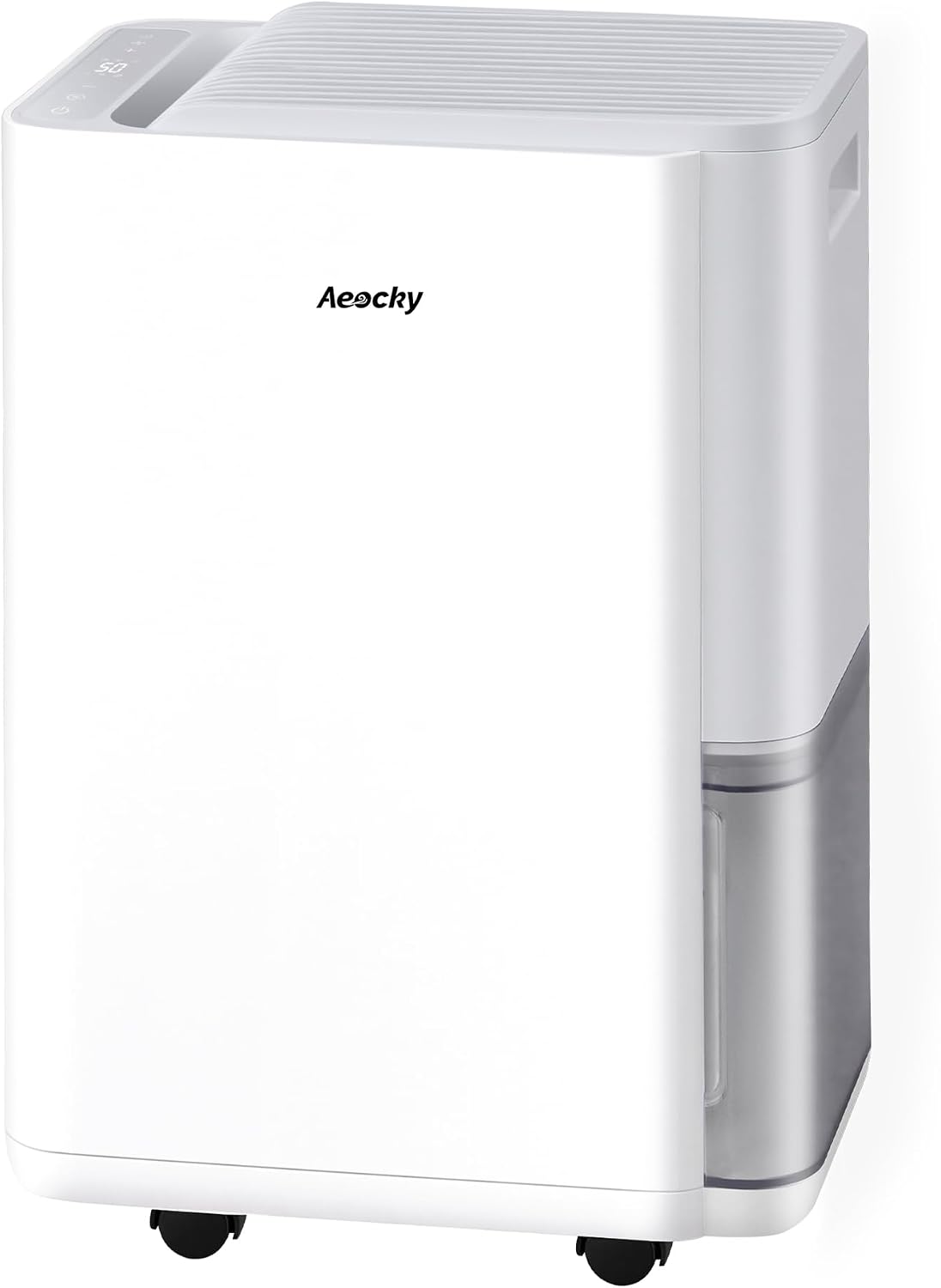
Best for a damp bedroom: AEOCKY Max 50 Pint/D
This is the one I would point a Gulf Coast homeowner toward for a bedroom, a hallway, or an open first floor. It is rated at 50 pints per day and up to 3,000 square feet, and it comes with a drain hose, which is the specification most buyers forget to check before checkout. Quiet matters in a bedroom too. A unit that rattles gets unplugged by week two, and an unplugged dehumidifier pulls exactly zero pints.
Here is what the 50 pint number really buys you. In a real house, expect it to hold a 400 to 600 square foot room in the low 50s percent range. Do not expect it to dry out a whole 3,000 square foot house. Coverage claims assume open space, no furniture in the way, and no bathroom door standing open. Treat the square footage as a ceiling, not a promise.
The drain hose is the feature that keeps the machine working at 3 a.m. in the worst month of the year. Run it to a floor drain, a condensate pump, or out a window on a downhill slope. If the hose runs uphill, or sags into a low loop, water sits in it and the unit either shuts off on the tank sensor or floods the floor. I have seen both, and neither one is the machine's fault.
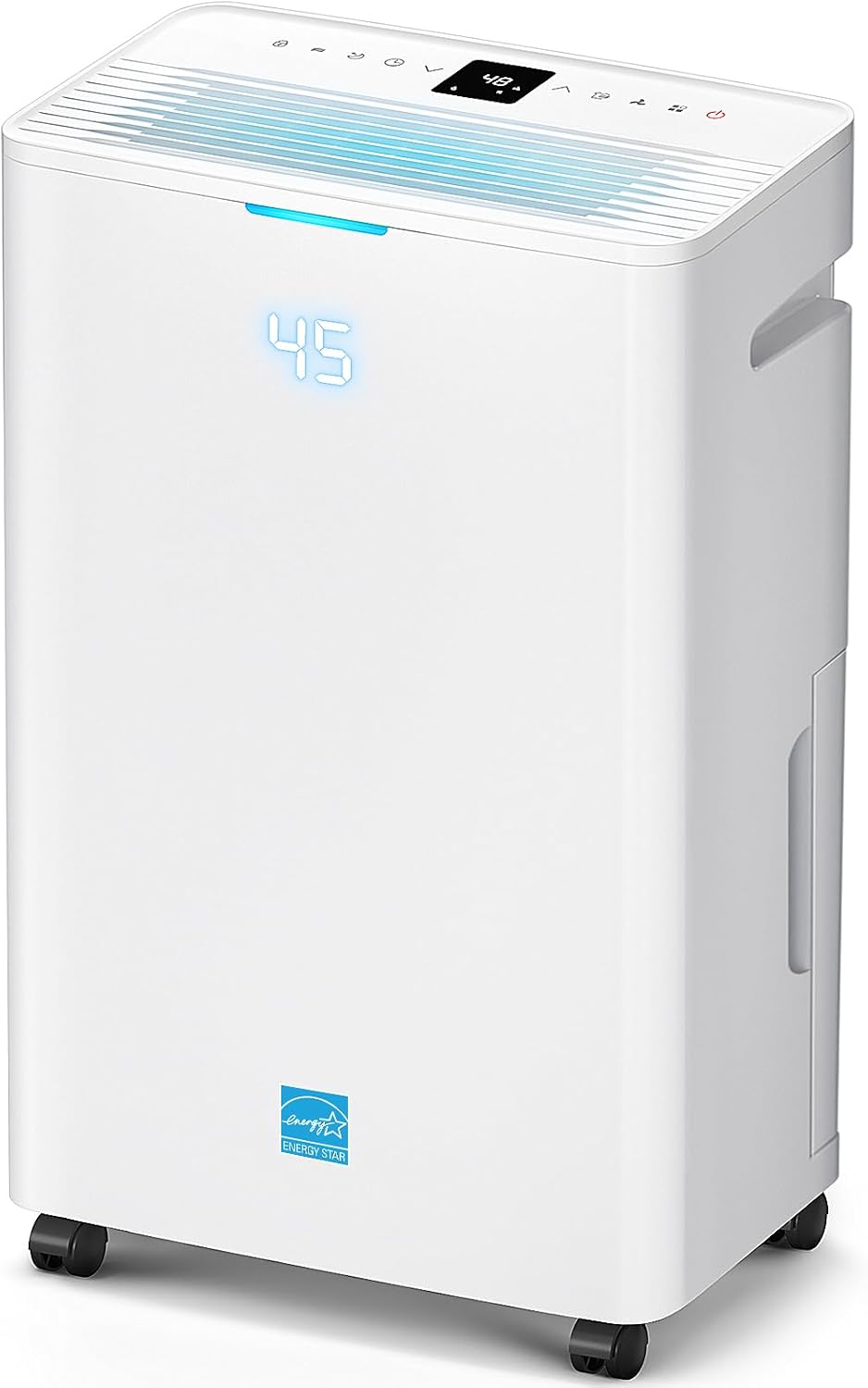
Best for cold rooms, bathrooms, and boats: Ecor Pro EPD50-PRO
Desiccant is the reason this one makes the list. A desiccant unit keeps pulling water when the room is cold, and that is exactly where compressor units fall flat. It is rated at 50 pints and up to 1,000 square feet, it has a stainless steel body and a small footprint, and the manufacturer lists bedrooms, bathrooms, crawlspaces, basements and boats. That list tells you it is built for tight, awkward, sometimes cold spaces rather than a big open living room.
Boats are the case I see it used for most. A cabin closed up for three weeks in a humid marina is a mold farm, and a compressor unit cycling in 55 degree night air will not save it. Desiccant units generally cost more per pint to run than compressor units, so you pay for the cold weather capability on your electric bill. If your space stays warm year round, that trade does not make sense. If your space is cold, it is the only trade that works.
Plan the drain route before the box arrives. In a bathroom or a boat, the drain is the install, not an afterthought. And keep the intake clear. A unit tucked behind a shower curtain or a duffel bag is a unit working against itself.
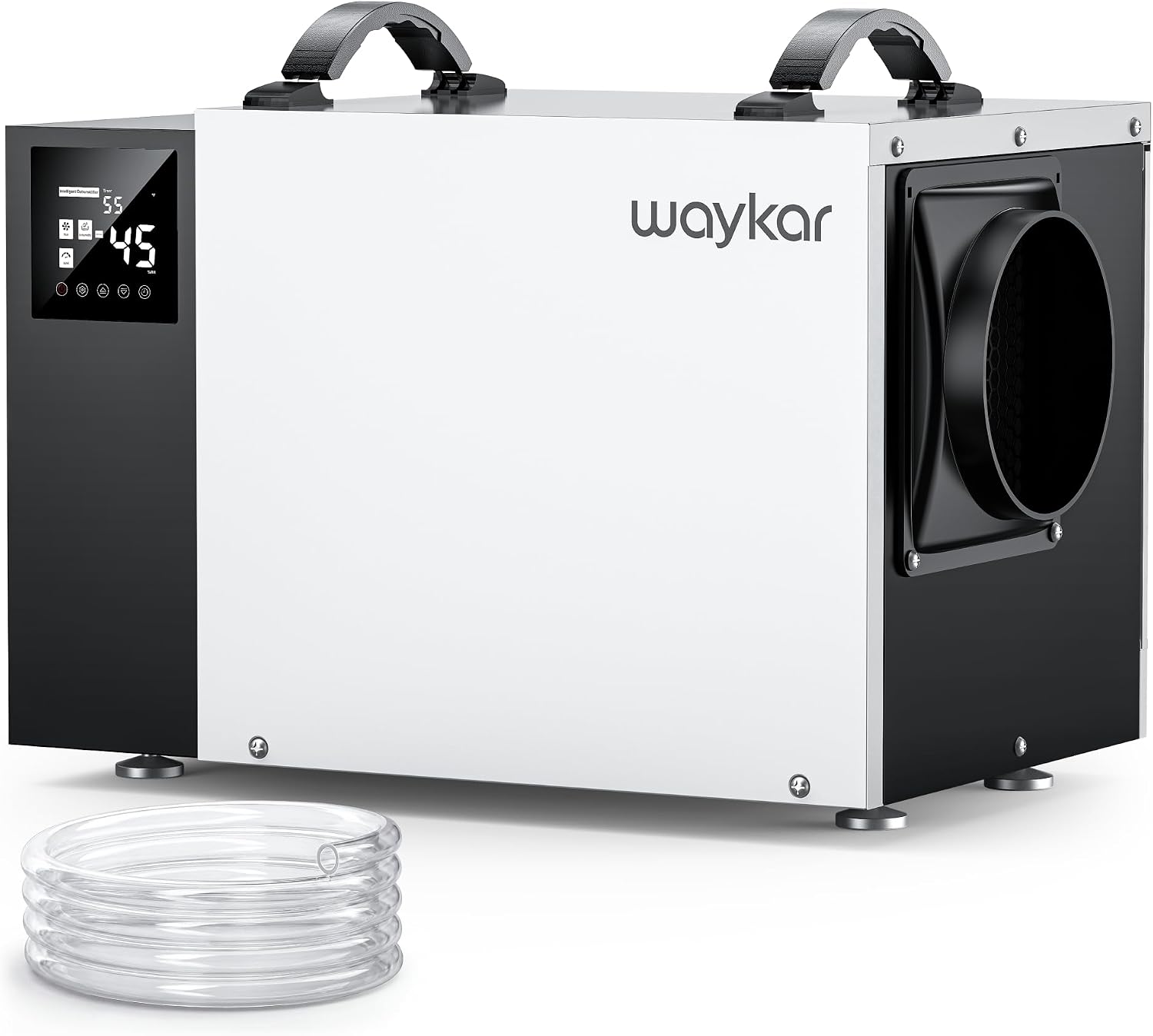
Best for a crawlspace or a commercial job: ALORAIR Sentinel HD55
113 pints per day, and it is not a bedroom machine. Do not let anybody sell it to you as one. A crawlspace is where the mold starts in an old Louisiana house, and it is a genuinely wet, genuinely cold, genuinely neglected space. This class of unit is built to run continuously, on a hose, under a house, for years.
The rule for crawlspaces: get the space under 60 percent relative humidity and keep it there. That means continuous drainage you can trust, because nobody is crawling under the house to empty a tank. It also means the machine has to be sized for the whole footprint, not just the wet corner. If you are looking at 113 pints, you are probably looking at a whole crawlspace or a commercial room, and you are asking the machine to do work a portable unit cannot do.
The practical note I give every homeowner: before you buy, walk the crawlspace and find the drain. A condensate pump and a route to daylight, a sump, or a floor drain. If there is no route, solve that problem first.
Best for closets, lockers, and small sealed spaces: Vacplus Moisture Absorber
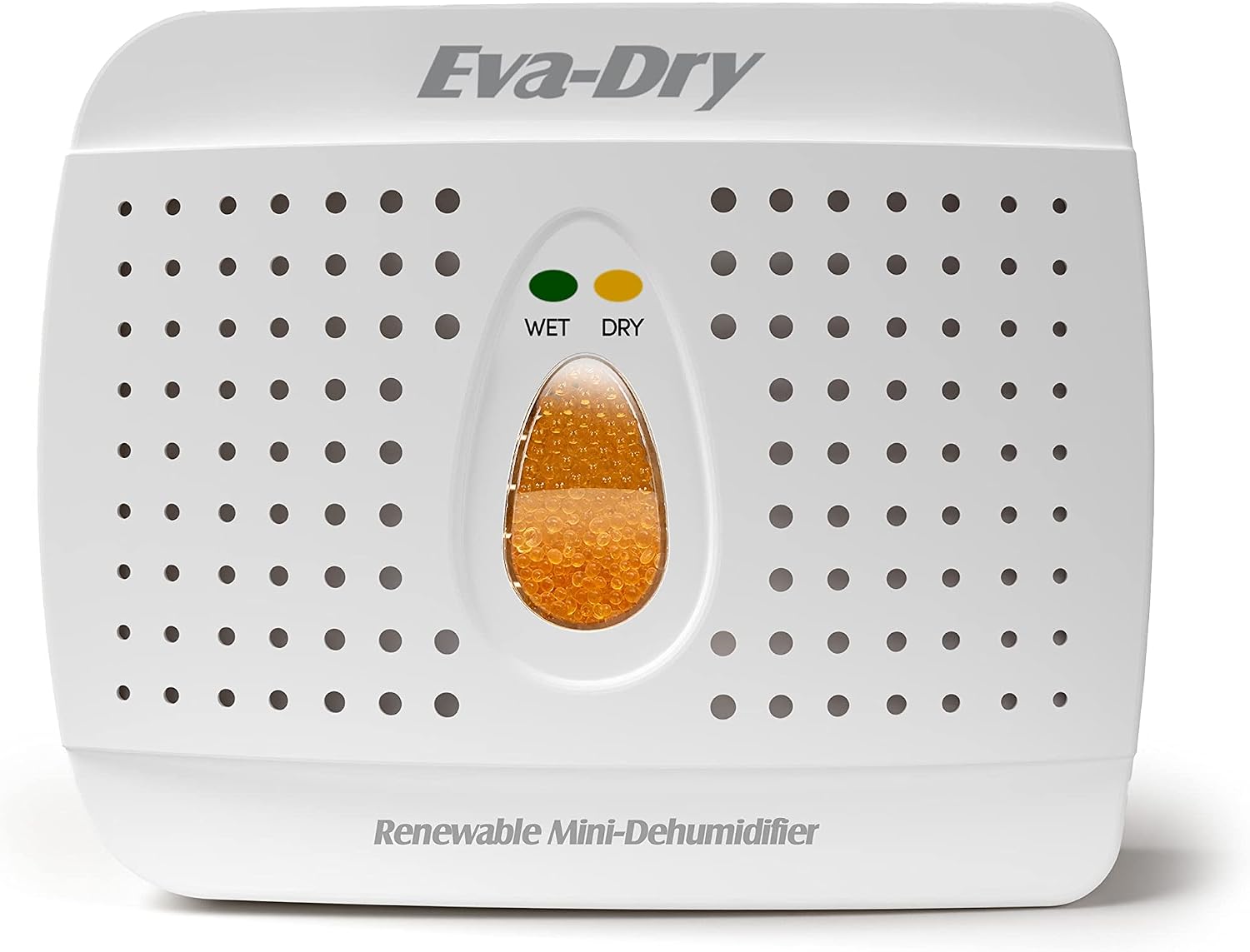
This is not a machine, and it is not trying to be. It is a hanging moisture absorber, 9.8 ounces, unscented, built for small enclosed spaces: a closet with no outlet, a boat locker, an RV cabinet, a gun safe, a camper that sits for months.
Where it earns its place is exactly where a powered unit is overkill and there is no drain anyway. It will not hold a 600 square foot basement at 50 percent, and nobody should expect it to. It handles a closet or a locker, and you replace it when the water collects. Think of it as maintenance for the spaces a real dehumidifier cannot reach, not as a substitute for one.
How I test and what I ignore
Bucket test first. I run a unit in a real room at real humidity for a full week and weigh the water it pulls instead of trusting the tank markings. Tank markings lie. The tank is the product, by the way. A unit that shuts off when the tank fills is a unit that stops working at 3 a.m., and in August that is the only shift that matters.
Then meter week. I put the unit on a watt meter for a week and do the math into a monthly bill. Compressor units in this size class are the cheaper ones to run. Desiccant units cost more per pint. Inverter compressor units are the ones to watch, because the efficiency claim is real and measurable, and I expect them to become standard as power costs climb.
What I ignore: the app. I have reset more Wi-Fi modules than compressors. A humidistat that reads 15 percent off your hygrometer is worse than no humidistat, because you set it and trust it. And check what happens after a power outage. Some units restart in fan only and sit there moving damp air around the room, which is the most expensive box fan you will ever own.
The reference table
| Product | Type | Rated capacity | Best for | Drain | Price |
|---|---|---|---|---|---|
 Visit on Amazon → Visit on Amazon →AEOCKY Max 50 Pint/D |
Portable machine | 50 pints per day, up to 3,000 sq ft | Bedroom, hallway, open first floor in warm weather | Drain hose included | $229.99 |
 Visit on Amazon → Visit on Amazon →Ecor Pro EPD50-PRO |
Desiccant machine | 50 pints per day, up to 1,000 sq ft | Cold rooms, bathrooms, boats, crawlspaces | Plan a drain route before it arrives | $1,779.00 |
 Visit on Amazon → Visit on Amazon →ALORAIR Sentinel HD55 |
Crawlspace and commercial machine | 113 pints per day | Crawlspace or commercial room | Continuous hose drain required | $499.36 |
 Visit on Amazon → Visit on Amazon →Vacplus Moisture Absorber |
Passive hanging absorber | 9.8 oz | Closets, lockers, safes, camper cabinets | None | $24.99 |
Analysis: reading the table like a tech
Three of these four products are machines and one is a passive absorber, and that is the first thing to sort out. If you have an outlet and a drain, buy a machine. If you have a closet and no outlet, buy the absorber. There is no version of this where the hanging product dries a crawlspace, and there is no version where a 113 pint unit makes sense in a 200 square foot bedroom.
Then the capacity column. Remember the 30 percent rule. A 50 pint rating in a real bedroom is a 30 to 35 pint machine in August. Size up if you are between two numbers, and plan for a hose from day one.
Then temperature. Warm room, compressor. Cold room, desiccant. That single line eliminates half the products on any list, including most of the cheap ones.
Then the tank. If you will not empty a tank every day in the worst month of the year, buy a unit with a hose and install it. The tank is the failure point people never see coming.
Should you buy the AEOCKY Max 50 Pint/D?
Yes, for a bedroom or an open living space in a warm climate. It is the sensible middle of the market, rated at 50 pints and up to 3,000 square feet, and it comes with the drain hose so you are not hunting for a kit afterward. Run the hose, keep the filter clean, and check it against your own hygrometer instead of the display.
Skip it if your space is cold. A compressor class unit in a 50 degree basement is a fan with a cord, no matter what the box says.
Should you buy the Ecor Pro EPD50-PRO?
Yes, if your problem space is cold, tight, or wet in a way that has nothing to do with summer. Desiccant is the right answer for a cold basement, a bathroom that never dries out, and a boat cabin. The stainless steel body and small footprint suit those spaces, and the 1,000 square foot rating covers most bedrooms and cabins honestly.
No, if you are trying to dry a warm, open first floor on a budget. You would pay a desiccant premium for capability you will not use.
Should you buy the ALORAIR Sentinel HD55?
Yes, if you own a crawlspace or a commercial room and you are tired of replacing portable units every other year. 113 pints and continuous operation is the right tool for a genuinely wet, unconditioned space, and a crawlspace held under 60 percent is a house that stops smelling like a basement.
No, if you are shopping for a bedroom. This is the wrong machine for that room, and the noise and the footprint will tell you so on night one.
Should you buy the Vacplus Moisture Absorber?
Yes, for a closet, a locker, a safe, or a camper cabinet. It is inexpensive maintenance for spaces that have no outlet and no drain, and unscented matters more than people think in a small closet. Replace it when it fills.
No, if you are hoping to skip a real dehumidifier. It absorbs what it can reach, and it cannot reach a crawlspace, a basement, or a whole floor.
The short version: match the machine to the temperature of the space, run a hose if the space is below grade, and cut every pint rating you read by a third. Do that and you will buy once instead of twice.