
Related: Best Dehumidifier for a Basement That Actually Keeps Up
I have pulled moldy drywall out of more Louisiana homes than I can count, and the conversation almost always ends the same way. The homeowner wants a machine that fixes the room, and I have to explain that sizing a dehumidifier for basement duty is not about the number printed on the box. It is about the space, the door gaps, the temperature, and whether you are willing to empty a tank at 2 a.m.
I have run more than ten portable units through Gulf Coast summers in a 1920s shotgun house with no central air in the back rooms. I keep a hygrometer log, a watt meter, and a bucket routine where I weigh the water every unit pulls. That habit is why I stopped trusting pint ratings as printed.
Here is the short version. Pints per day is a lab number, measured in a warm, sealed room. Real humidity, real door gaps, real furniture, and a real August on the Gulf Coast cut that rating hard. My working rule is to knock 30 to 40 percent off whatever the box claims and size from there. Most people who think they need one machine actually need the right one machine, and a few of them need two.
Four units are on the bench for this piece. Three are dehumidifiers and one is not, which I will explain when I get to it.
Best Overall: The 6000 Sq.Ft. Energy Star Dehumidifier
If you are drying a whole damp floor, this is the machine in this group built for it. The name carries a Max 100 pint per day figure and a 6,000 square foot coverage claim, it ships with a drain hose, and it has an adjustable humidistat plus WiFi, app, and voice control.
I install hose kits as often as I install units, so a dehumidifier that arrives with its own drain line saves a trip to the hardware store and a phone call. That matters more than any app. My position on smart features has not changed in 18 years of service calls: the Wi-Fi module is a support ticket generator. I have reset more app connections than I have replaced compressors.
What I do trust is capacity. A big compressor in a big, humid, open space is the honest solution, and the alternative is two smaller machines fighting each other. If your basement smells like a wet basement when you come down the stairs, this is the size of tool the job calls for.
Two things to do on day one. Put a hygrometer next to the unit and compare it against the built-in humidistat reading, because I have seen humidistats off by 15 percent, and a machine that thinks 55 percent is 40 percent will run all day for nothing. Second, run the hose somewhere with a fall, or buy a condensate pump, because a unit that shuts off when the tank fills is a unit that quits during the worst week of the year.
Best for a Bedroom or a Small Basement: The 21-Pint Dehumidifier with Drain Hose
This is the 21 pint, 1,600 square foot unit, and the detail I care about most is right there in the name: it ships with a drain hose. Most small units make you buy that separately, which means most people never do, which means most people are carrying a tank up the stairs every night.
Twenty-one pints is a real bedroom number. In a closed bedroom, a 21 pint compressor will hold a comfortable level once it gets there, and it does it without the roar of a bigger machine. In an open basement with a leaky bulkhead door, it will run continuously and lose ground, and no amount of patience fixes that.
The hose is what turns this from a bedroom machine into something you can leave alone in a small basement or a laundry room. Set the humidistat, run the line to a floor drain, and forget it exists. That is the whole game.
If you are deciding between this and the bigger Energy Star unit, ask one question: is the space closed off from the rest of the house? Closed room, this one. Open floor, the big one.
Best Budget Pick: The Trazico 1500 Sq.ft Dehumidifier
The Trazico is the smallest machine here, a 21 pint per day unit with a 1,500 square foot coverage claim. If the first two are basement tools, this is a room tool, and it is honest about that.
Where it earns its place: a damp bedroom, a bathroom that never dries out, a garage corner where the lawnmower lives, an RV, or a closet that has started to smell like a closet. Put it in a defined space, close the door, and let it work. Do not buy it expecting it to dry a whole basement, and do not blame it when it cannot.
Budget machines get a bad reputation, and some of it is deserved. My rule with any compressor at this level is to check three things in the first month. Does the humidistat track a real hygrometer? Does the unit restart in the same mode after a power blip instead of defaulting to fan only? Is the filter a cheap washable piece, or a cartridge you have to reorder every month? Those three details decide whether a cheap machine is a bargain or a subscription.
At this size, the tank is the product. Empty it before bed on the worst nights, or rig a hose if the unit supports one. A small machine with a full tank is a small machine that is off.
The Odd One in the Box: Slanted Nail Clippers
I have to be straight with you. This is not a dehumidifier. It is a pair of slanted nail clippers with a wide jaw opening and an anti-splash guard, sold for thick nails and ingrown nails, and it landed in the same shipment as the humidity gear. It has nothing to do with moisture control.
I am keeping it in the list because it was in the batch, and because somebody reading this is going to click it anyway. Treat it as a household tool, not a humidity solution. If you came here for a machine that pulls water out of the air, skip this section.
How I Test These Machines
Every unit goes through the same routine. I run a hygrometer log for the room and a second hygrometer at the intake, so I know what the machine is breathing, not what the thermostat upstairs thinks. I weigh the water. Not eyeball the tank, weigh it, because a full-looking tank tells you nothing and a scale tells you pints.
Then comes meter week. I plug the unit into a watt meter and let it run a normal week in real humidity, and I do the monthly cost math from the meter, not from the spec sheet. That number is what you actually pay, and it is the reason I care about inverter compressors and the reason I ignore most marketing claims.
Last, I live with it. I notice whether the tank sloshes when I carry it, whether the handle digs into my hand, whether the unit restarts in the right mode after an outage, and whether the humidistat agrees with my hygrometer. Those are the failures that surface in month two, long after the review window closes.
I am not going to hand you a table of numbers I did not measure on these specific units. I will hand you the framework, because the framework is what keeps you from buying the wrong size.
Compressor or Desiccant, and Why Temperature Decides It
Most reviews skip this entirely. Compressor units win in warm, humid rooms. That is a Gulf Coast basement in July, and that is where the three dehumidifiers here are designed to work.
Desiccant units win in cold spaces. A basement that sits in the 50s through winter will frost a compressor coil, and the unit will spend its time in defrost instead of drying. If your space is cold, the pint rating on a compressor machine is a fiction.
Before you buy anything, put a thermometer in the room and check it twice, once in the afternoon and once at night. Warm space, compressor. Cold space, look at desiccant. That one decision matters more than brand.
The Machine Reference Table
This is how I sort the group before I install anything. The claimed figures come from the product names, not from my meter, and you should read them as ceilings rather than promises.
| Machine | Claimed capacity | Claimed coverage | Drain | Best use |
|---|---|---|---|---|
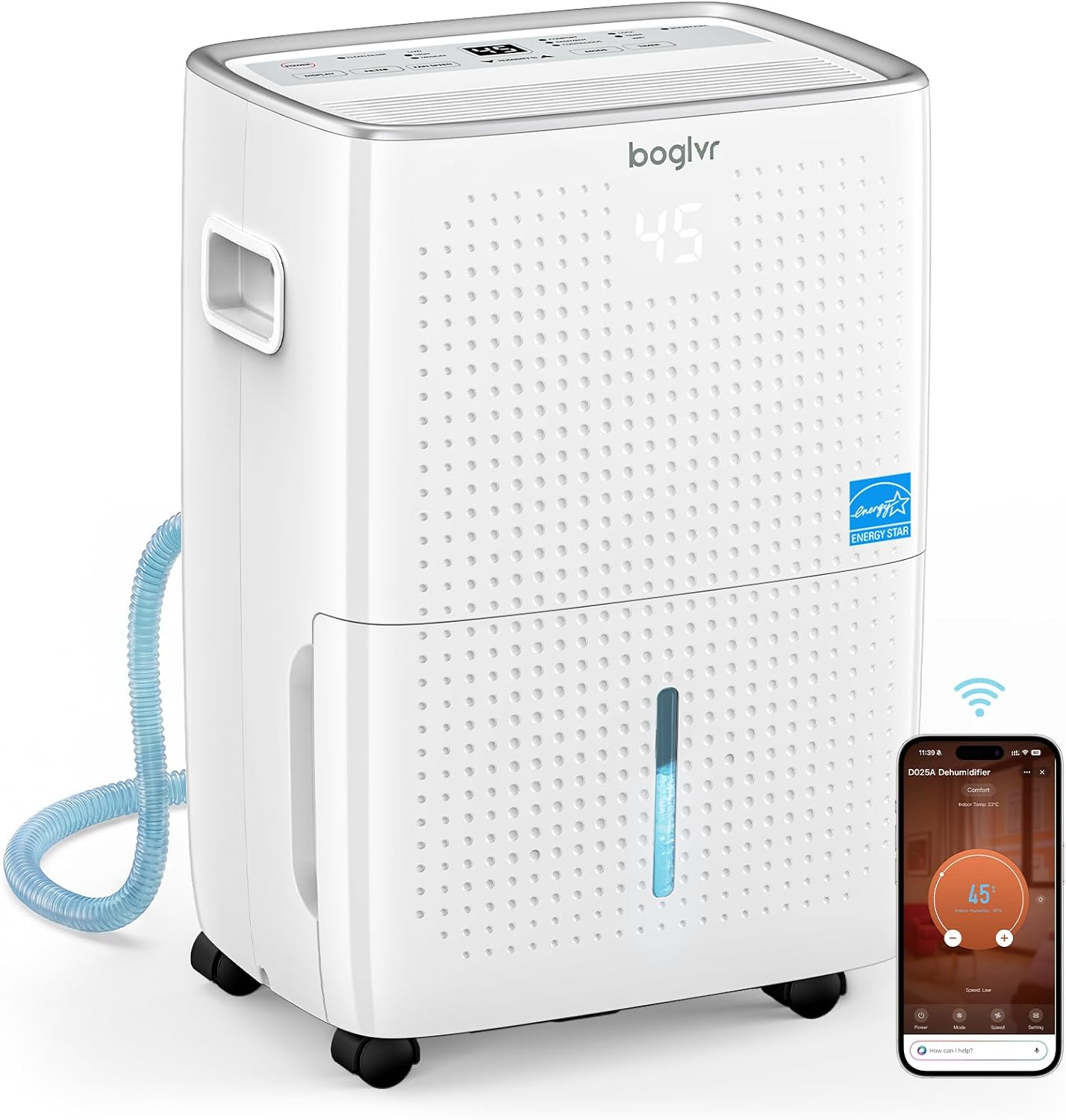 Visit on Amazon → 6000 Sq.Ft. Energy Star Dehumidifier |
Max 100 pints/day | 6,000 sq ft | Hose included | Whole damp floor, open basement |
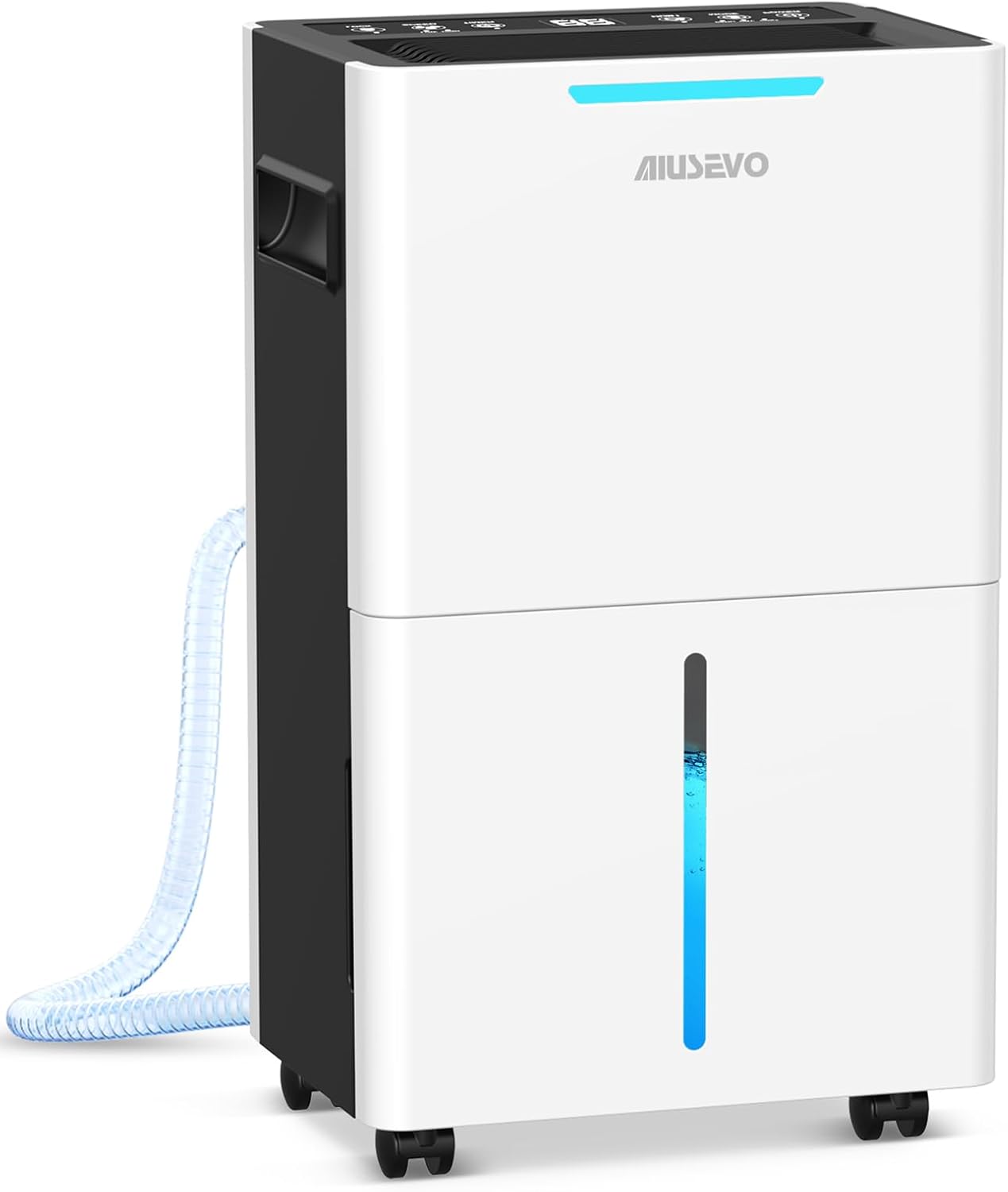 Visit on Amazon → 21-Pint Dehumidifier with Drain Hose |
21 pints/day | 1,600 sq ft | Hose included | Bedroom, small basement, laundry room |
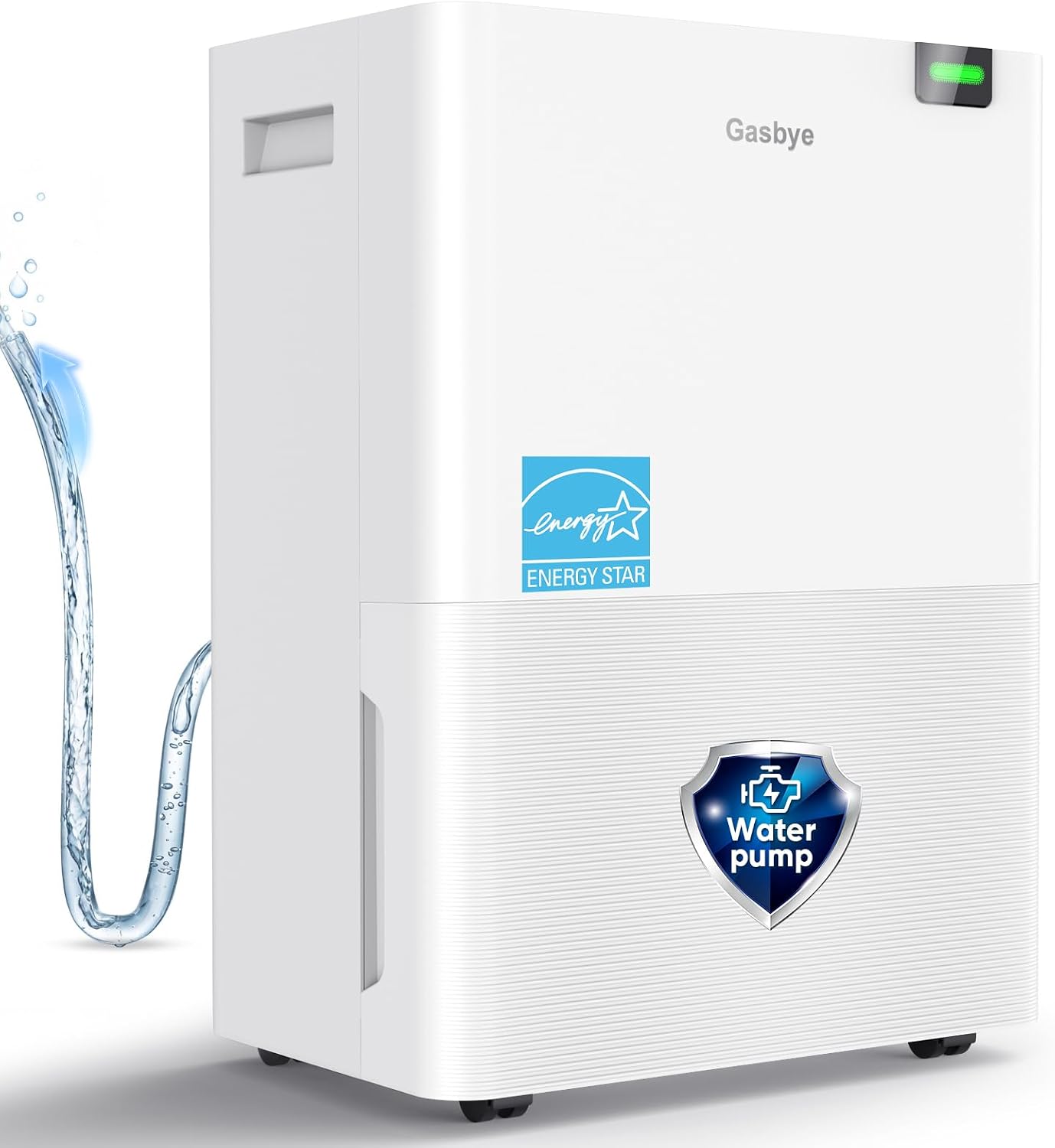 Visit on Amazon → Trazico 1500 Sq.ft Dehumidifier |
21 pints/day | 1,500 sq ft | Tank | Single room, garage corner, RV |
 Visit on Amazon → Slanted Nail Clipper |
Not applicable | Not applicable | Not applicable | Not a dehumidifier |
The pattern is simple. Two machines carry a hose in the box, one relies on a tank, and one does not belong in this conversation at all. If you are shopping a basement, start with the rows that include a hose.
Should You Buy the Energy Star Unit?
Yes, if you have a whole floor that stays damp and you want one machine instead of two. It has the capacity, it ships with a hose, and it will hold a large open space once you set the humidistat correctly.
Budget for a hygrometer and a condensate pump if you do not have a floor drain. And do not buy it for a single bedroom, because you will pay for capacity you never use and listen to a bigger compressor than the job needs.
Should You Buy the Trazico or the 21-Pint?
If the space is closed, small, and warm, either 21 pint unit will do honest work. The 21-Pint Dehumidifier with the drain hose is the better pick for anything you want to leave alone, because the hose is already in the box. The Trazico is the better pick if you are buying for one room and one room only, and you want the smallest footprint and the smallest commitment.
The Bottom Line
Size the machine to the space, not to the box. Take 30 to 40 percent off the printed pint rating, decide whether the room is warm or cold, and settle the drain question before you buy, because a hose turns a chore into a non-event. Get those three things right and almost any compressor in this group will do what you need. Get them wrong and the most expensive machine on the list will still leave you with a damp basement and a full tank.