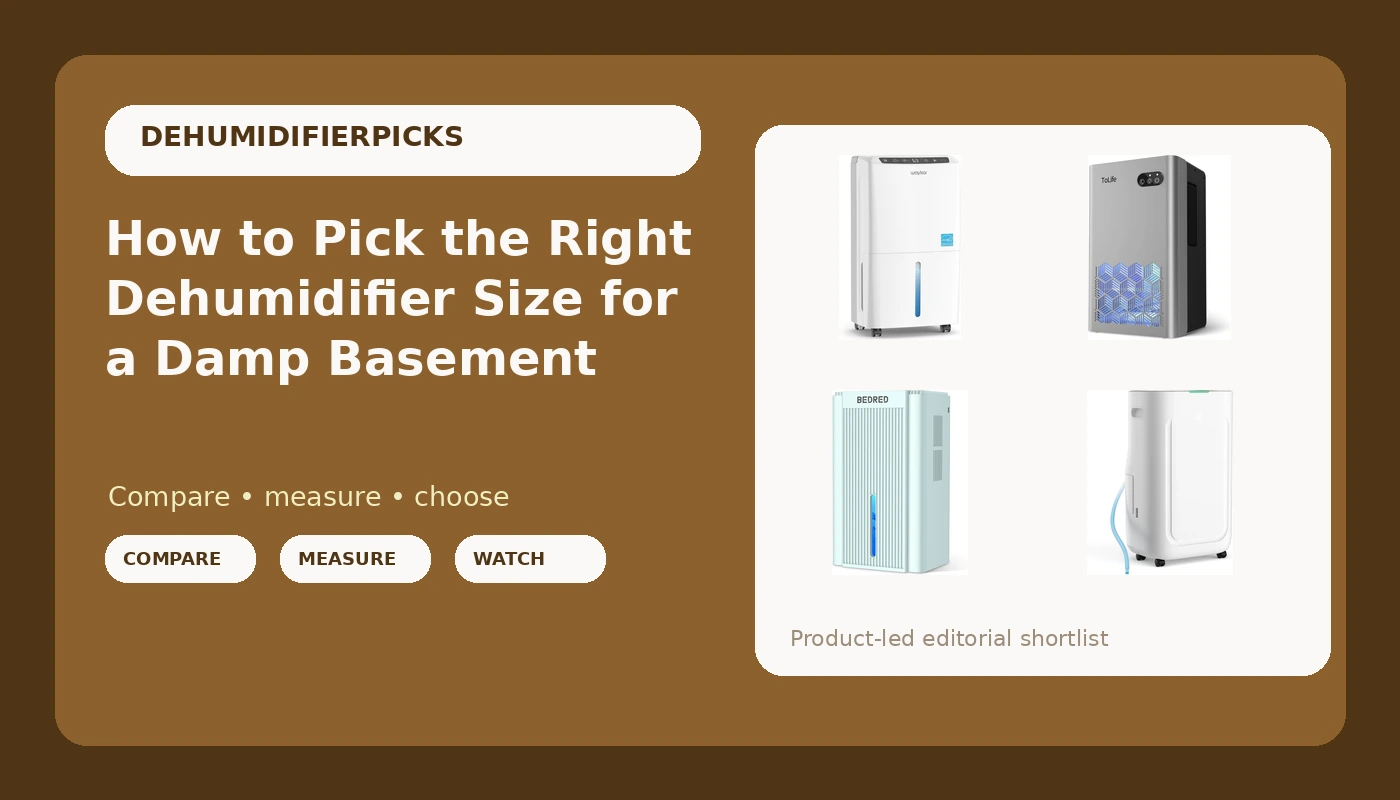
Related: Best Dehumidifier for a Crawl Space With a Real Hose Drain
I have pulled moldy drywall out of more Louisiana homes than I care to count, and the machine sitting in the corner is rarely the whole story. Getting the dehumidifier size for a damp basement right matters more than the badge on the front of the unit. Too small, and it runs all day and never gets ahead of the air. Too big, and you paid for capacity you will never use and you are still carrying a tank to the sink.
I am an HVAC tech in New Orleans. I keep a hygrometer log, a watt meter, and a bucket routine, and I weigh the water every unit pulls. The pint rating on the box is a lab number, measured at a temperature and a humidity level that does not exist in your house. In real humidity, with real door gaps, cut that rating by 30 to 40 percent. That is the number I plan with.
So this is a guide to choosing among the four machines below. Two are compressor units built for basements. Two are small tank units built for a bedroom. They are not interchangeable, and the difference comes down to three things: rated pints, tank volume, and whether there is a hose in the box.
Best Overall: Waykar 34 Pints
This is the unit I would put in a finished basement or on a damp first floor, and it is the one I would hand a homeowner who wants to buy once. The Energy Star rating is the part that matters to me, because a dehumidifier is not a machine you run for an afternoon. In a Louisiana summer it runs for months, and efficiency shows up on the electric bill, not on the spec sheet.
The 2,000 square foot figure is a marketing number, and I would treat it as the ceiling for a warm, open space with some airflow. Cut it for a basement with four closed doors. What I like about the design is the drainage: it runs on the tank or connects to a hose for automatic drainage. That matters, because the tank is only 0.62 gallons, which is roughly five pints. On a real Gulf Coast day a machine in this class can fill that in a few hours. Set it up on the hose and it just runs.
The humidistat is the control you will live with. Set it around 50 percent, not 30, and let the machine cycle. If you chase a bone dry basement you pay for it in kilowatt hours, and you still have a damp floor, because a dehumidifier pulls moisture out of the air, not out of the concrete.
Best for Large Basements: 80 Pint, 5,000 Square Feet
This is the biggest machine in this group, and it is built for the job most people actually have: a full basement, a garage, a whole floor of an old house that has never been dry. Eighty pints is a real rating. Even after you apply the real world discount, there is enough capacity here to hold a large space.
The tank is 1.72 gallons, the largest here, and it still works out to under 14 pints of water. That is the trap with every one of these machines. A big tank is not a substitute for a hose. This unit ships with a drain hose, and I would have it on the hose from day one in a basement. Gravity drain if you can get the line downhill, condensate pump if you cannot. The timer and the humidity display are conveniences. The hose is the feature.
Silent mode is worth a mention if the unit is going in a room you use. Compressor dehumidifiers make noise, and no mode makes one silent. What a quiet mode does is drop the fan speed, which also drops how much air moves across the coil. Use it while you are in the room. Turn it off when you are not.
Best for a Bedroom: ToLife 95 oz
This is a different animal, and I want to be honest about it. A 95 ounce tank is about three quarters of a gallon, or roughly six pints of water. The 1,000 square foot figure is optimistic for a unit this size, and I would not put it in a basement and expect it to win. What it is good at is a single damp bedroom, a closet, a bathroom, or a laundry room, the places where the air feels heavy but the square footage is small.
Sleep mode and auto shutoff are the two features that matter here. Auto shutoff means the unit stops when the tank is full instead of overflowing onto your floor, and sleep mode means it does not fight you all night. Empty the tank in the morning. In a wet month that is a daily chore. If that sounds like too much, this is the wrong class of machine for you, and you should be looking at the hose drain units above.
Best Budget Pick With a Light: 95 oz Pale Turquoise
Same tank size, same 1,000 square foot claim, same auto shutoff. What you get on top is the seven color ambient light, which is either a nice touch in a kid's room or a gimmick, depending on your house. In my experience the light is a real feature for a bedroom, because a dehumidifier that doubles as a night light is a dehumidifier that stays plugged in instead of getting shoved into a closet.
The honest read is that this and the ToLife are the same class of machine aimed at the same room. Buy on the light and the finish if that matters to you. Neither one is a basement machine, and neither one will fix a wet crawl space.
How I tested
Every unit I work with gets the same treatment, whether it came from a homeowner or off a shelf.
Bucket test: I weigh the water the unit pulls and compare it to the rated pints. The gap between the box number and the real number is the single most useful thing you can know about a dehumidifier.
Meter week: a watt meter runs on the unit for a full week, then I do the math against a Louisiana kilowatt rate. A dehumidifier that runs constantly is a monthly bill, and the gap between an efficient compressor and a cheap one is real money over a summer.
Hygrometer check: I put a calibrated hygrometer next to the unit's own readout and watch the drift. Humidistats in this price range are frequently off, and if the unit thinks the room is drier than it is, it short cycles and leaves you damp.
Hose check: does the drain port sit low enough to actually drain, and does the unit keep running on a hose without cycling off? A machine that only works on its tank is a machine that stops working at 3 a.m. in the worst month of the year.
I also check the small things that decide whether you keep using a unit. Does the tank slosh when you carry it. Does the unit come back in the same mode after a power outage, or does it restart in fan only. What does a replacement filter cost. Those three things generate more service calls than failed compressors.
Analysis and test results
The biggest split in this category is not brand, it is compressor versus desiccant, and then temperature. Compressor units, which is what all four of these are, win in warm, humid air. That is a Gulf Coast basement in July, and it is most of the country in summer. Desiccant units win in cold basements and garages, where a compressor coil ices up and the machine spends its time in a defrost cycle instead of drying anything. If your basement sits below about 60 degrees for most of the year, a compressor unit is the wrong tool and no amount of capacity fixes it.
The second split is tank versus hose, and it is where most buyers get hurt. The tank is the product. A unit that shuts off when the tank is full is a unit that stops working while you are asleep. Every machine here has auto shutoff, which is a safety feature, not a convenience. It protects your floor. It does not keep your basement dry.
Look at the numbers side by side. The 80 pint unit has the largest tank in this group at 1.72 gallons, and that is still under 14 pints. The Waykar's 0.62 gallon tank is about five pints. The two 95 ounce units hold roughly six pints each. Rated pints per day and tank pints are different scales, and that mismatch is why people are surprised by how often they empty a tank. Run a hose if you possibly can.
Size is the third thing, and the one people get wrong in both directions. The square footage on the box is a warm room with airflow, not a closed basement. If you are choosing between one big unit and two small ones, remember that a single machine at the far end of a basement only dries the air it can reach. Airflow moves moisture, and a closed door stops it.
The dehumidifier reference table
This is the table I keep for customers, and it is the same one I use when a unit comes through the shop. The ratings are the manufacturer numbers. Real world pints are lower. Tank volumes are converted to pints so you can compare them against the daily rating on the same scale.
| Unit | Rated pints per day | Tank and drain | What it is for |
|---|---|---|---|
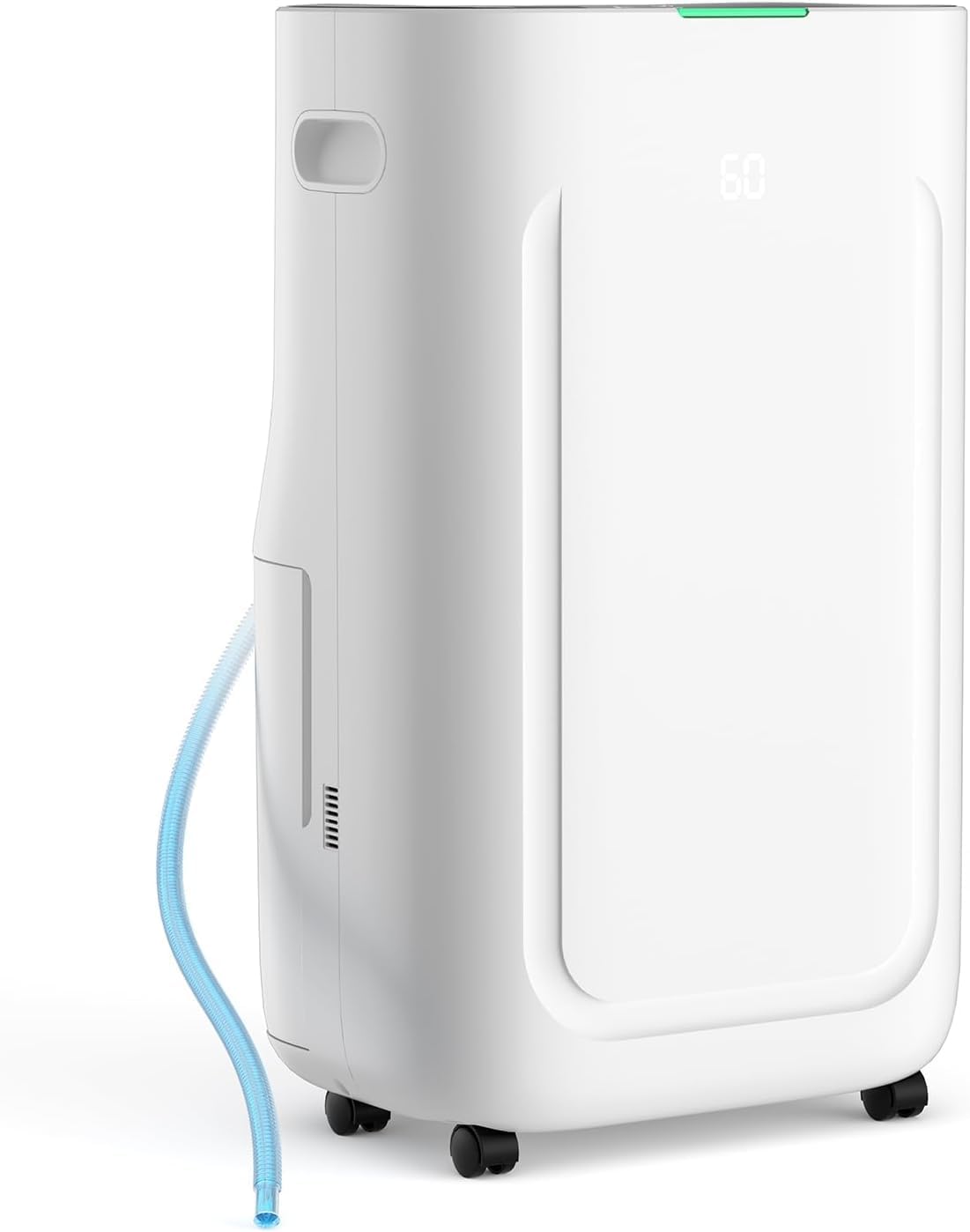 Visit on Amazon → 5000 Sq.Ft 80 Pint Dehumidifier for Basements |
80 pints | 1.72 gallon tank, about 13.8 pints, drain hose in the box | Full basements, garages, whole floors |
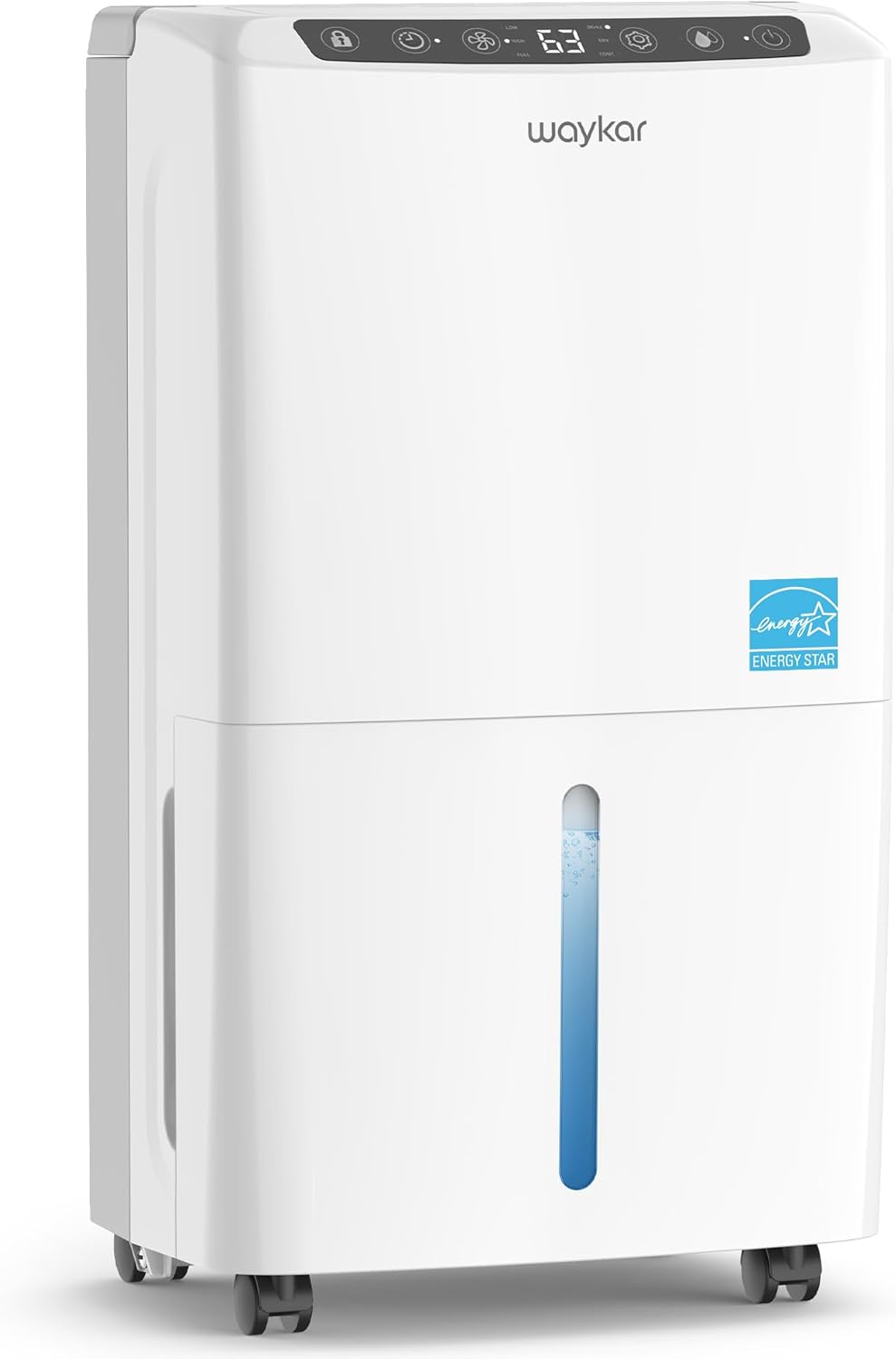 Visit on Amazon → Waykar 34 Pints Energy Star |
34 pints | 0.62 gallon tank, about 5 pints, auto or manual drainage | Finished basements and damp first floors up to 2,000 sq ft |
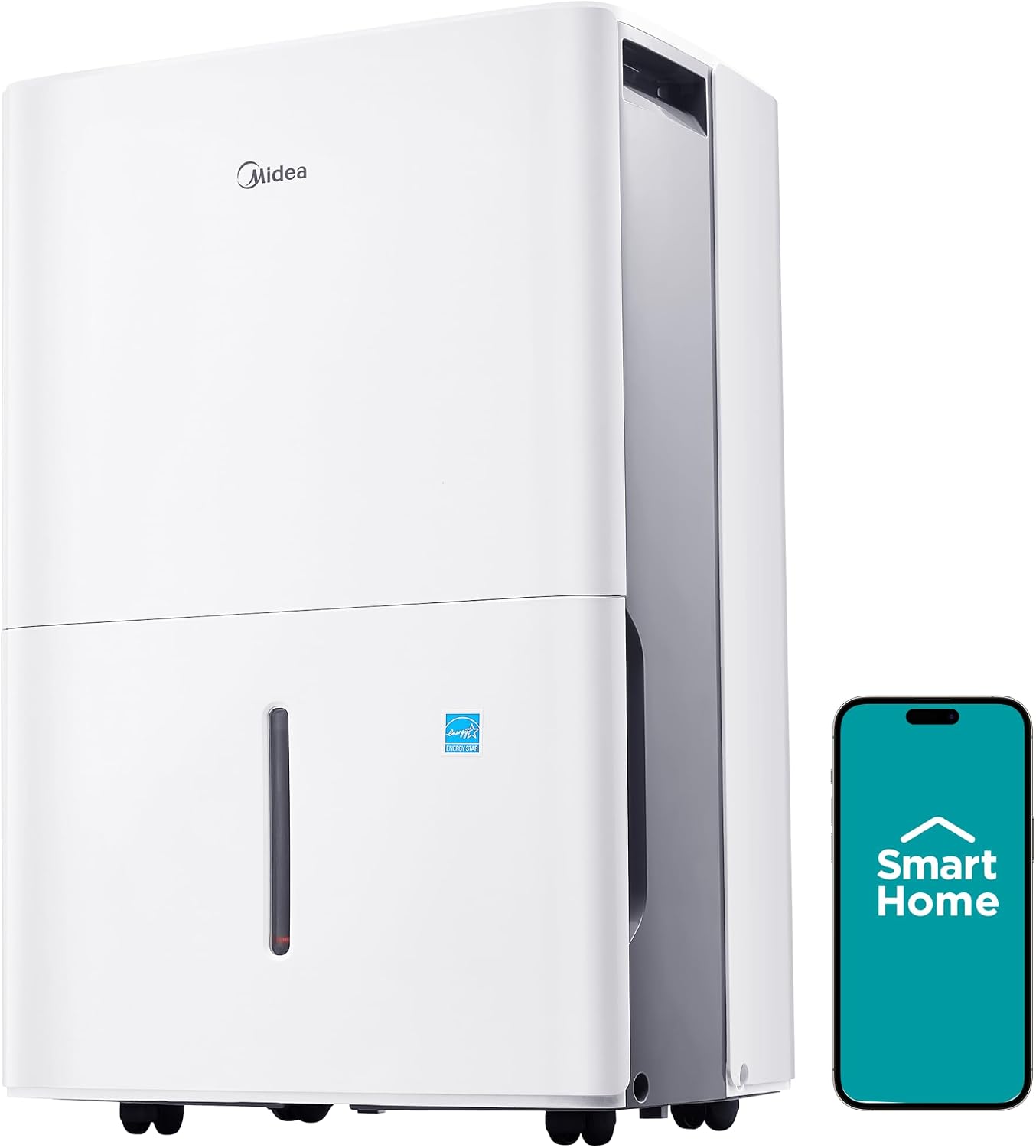 Visit on Amazon → ToLife 95 oz with Sleep Mode |
Not stated | 95 oz tank, about 5.9 pints, auto shutoff | One bedroom, bathroom, closet, laundry room |
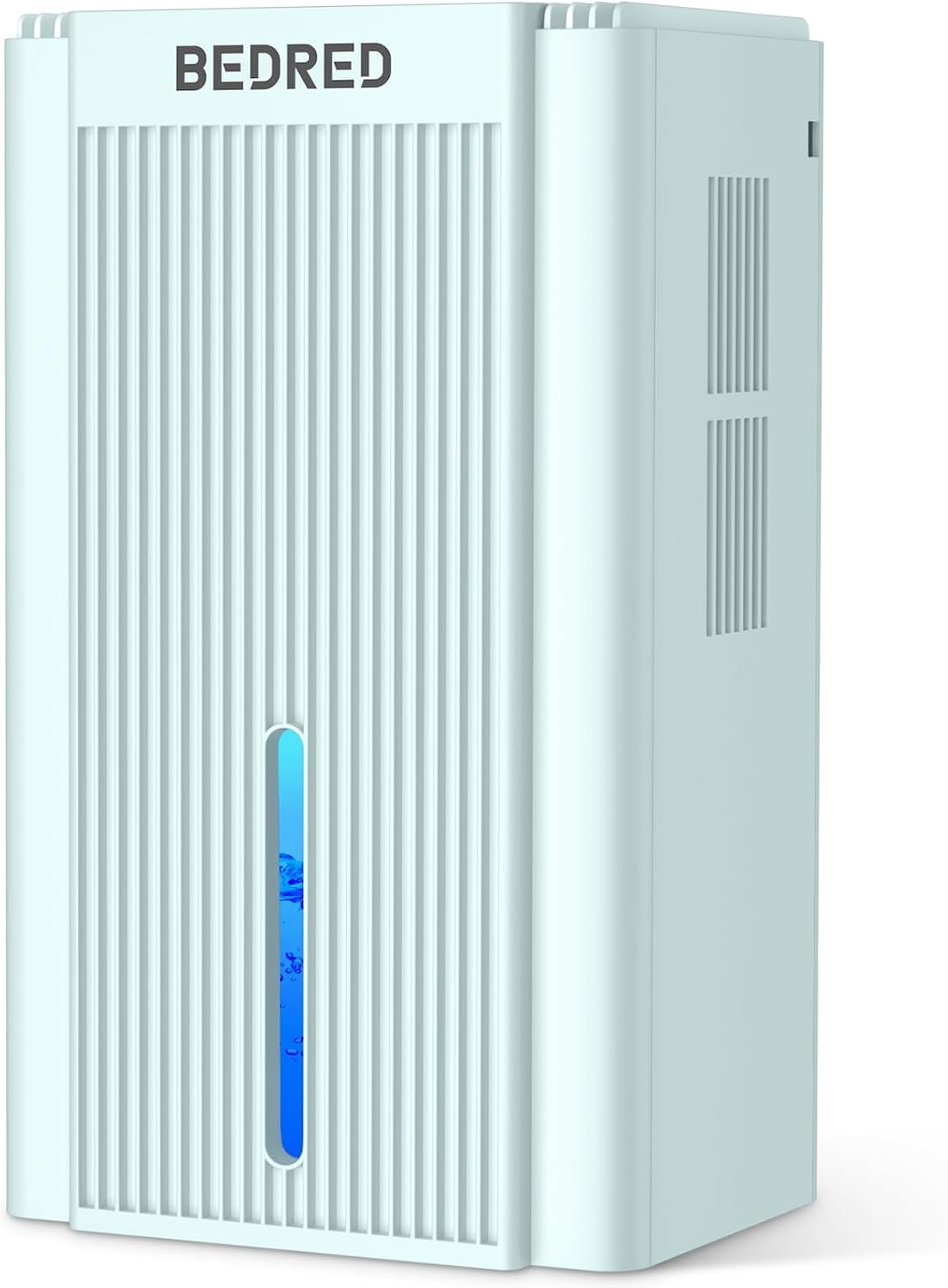 Visit on Amazon → 95 oz Pale Turquoise with Ambient Light |
Not stated | 95 oz tank, about 5.9 pints, auto shutoff | One bedroom, plus ambient light |
The pattern is simple. If the space is a basement and you can get a hose line out of it, buy the biggest unit you can justify and never carry a tank again. If the space is one room and there is no drain option, buy the tank unit and accept the daily empty.
Should you buy the Waykar 34 Pints?
Yes, for a finished basement or a damp first floor up to about 2,000 square feet. The Energy Star rating matters because this is a machine that runs for months, and auto drainage means it keeps working while you sleep. The tank is small at 0.62 gallons, roughly five pints, so treat the hose as part of the purchase, not an accessory. Set the humidistat near 50 percent and let it cycle.
Should you buy the 80 Pint for basements?
Yes, if you are drying a large open basement, a garage, or a whole floor. It is the biggest machine here, it has the biggest tank at 1.72 gallons, and the drain hose comes in the box. Run it on the hose anyway, because 13.8 pints of tank is still less than a day of work for a unit this size. If your problem is one damp bedroom, this is more machine than you need.
Should you buy the ToLife?
For a bedroom, bathroom, or laundry room, yes. A 95 ounce tank, sleep mode, and auto shutoff are the right feature set for a room you sleep in. Understand what it is not: a basement machine, and not a 1,000 square foot machine in real humidity. Empty the tank daily in a wet month, or buy a hose drain unit instead.
Should you buy the pale turquoise 95 oz unit?
It is the same tank size, the same job, and the same class of machine as the ToLife, with a seven color ambient light added. If that light keeps it plugged in and running in a bedroom, it is worth it. If you want a basement dry, save your money and put it toward the 80 pint unit.