I have been an HVAC tech in New Orleans for 18 years, and I have pulled more moldy drywall out of Louisiana homes than I can count. Almost every one of those houses had a dehumidifier running when I walked in. The machine was not broken. It was the wrong machine for the room it was standing in. This desiccant vs compressor dehumidifiers comparison is built around that one mistake, because it is the mistake that costs people the most money and the most sleep.
Here is the split most shopping pages skip entirely: the temperature of the air when you need the water pulled out of it. A compressor dehumidifier works like a small air conditioner. It chills a coil, water condenses on that coil, and the water drips into a tank or a hose. That process is efficient in a warm, humid room and it falls apart in a cool one, because a cold coil in cold air ices up and the unit spends half its run time in a defrost cycle instead of drying anything. A desiccant dehumidifier passes air over a desiccant wheel and uses heat to drive the moisture back off that wheel. It costs more watts per pint in warm air, and it keeps working in a 50 degree basement when a compressor unit has already given up.
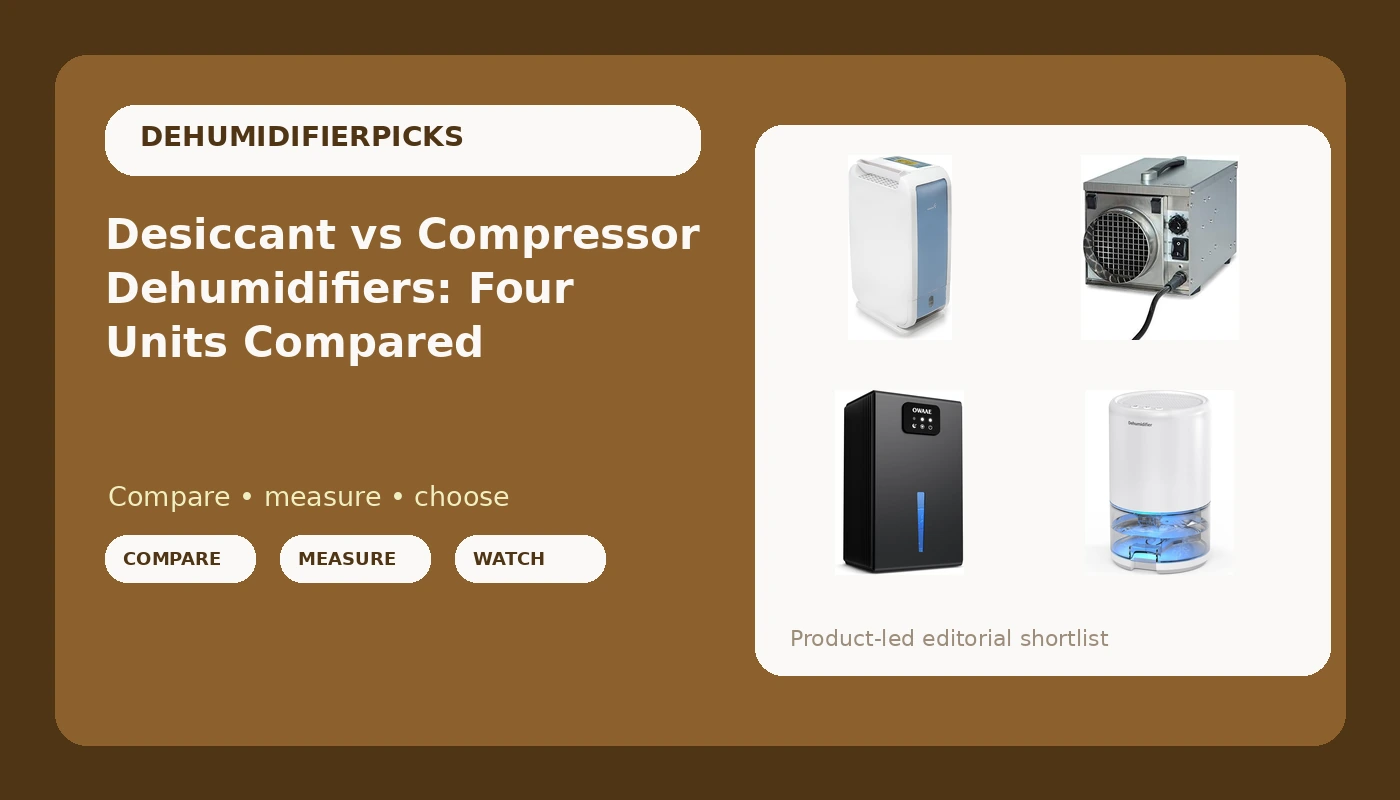
For most damp bedrooms, bathrooms, and finished basements above 65 degrees, a compressor-style home unit is the right buy. For cold crawlspaces, unheated basements, garages, and boats, a desiccant unit is the only thing that will actually dry the space. Two of the four units below are desiccant, two are compact home units, and the difference in where they belong matters more than the difference in their spec sheets.
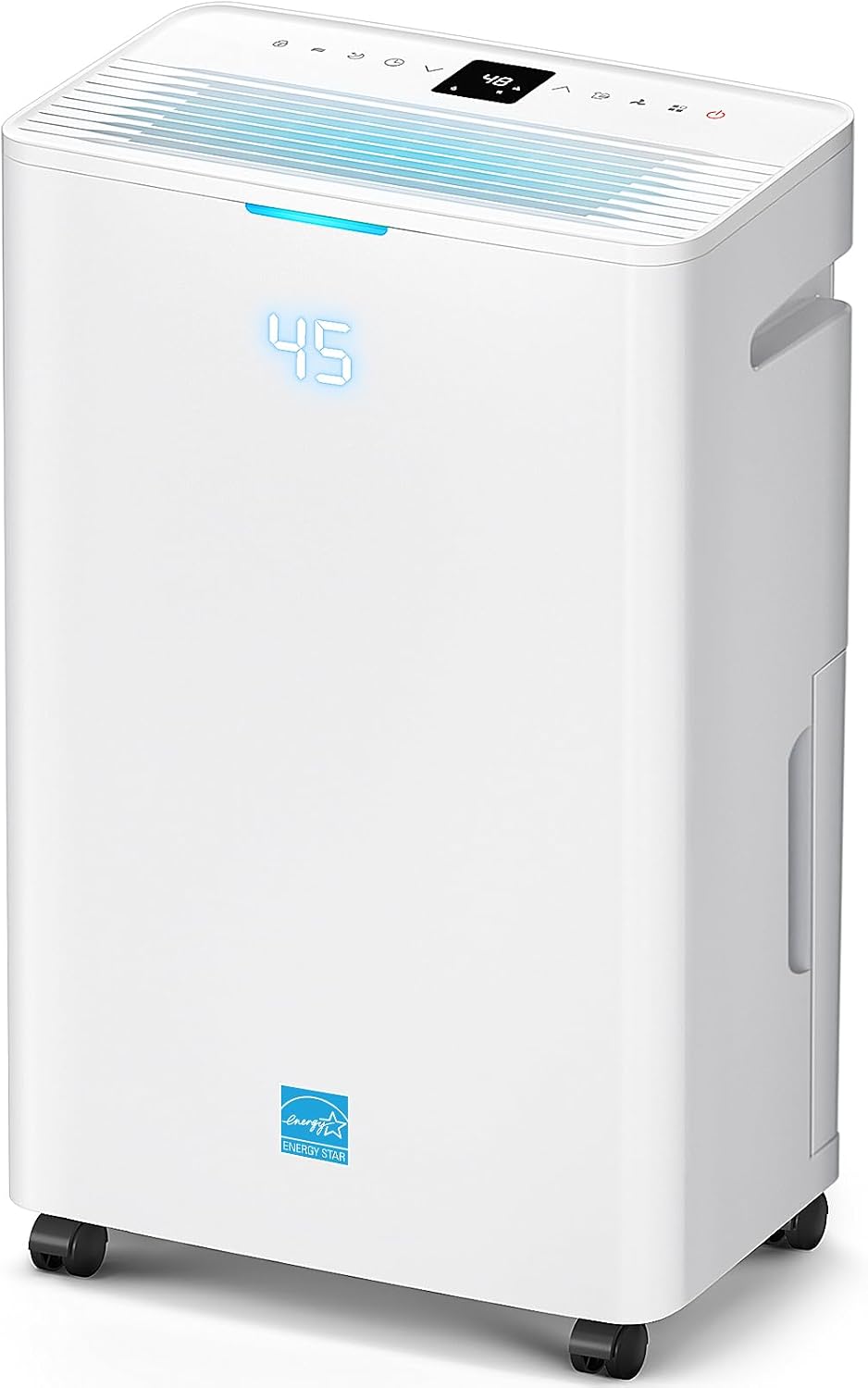
Ivation 13-Pint Small-Area Desiccant Dehumidifier
Desiccant process holds capacity in cold rooms, continuous drain hose in the box, quiet enough for a bedroom
13 pints and a 270 square foot ceiling means it is a small-space tool, not a basement machine
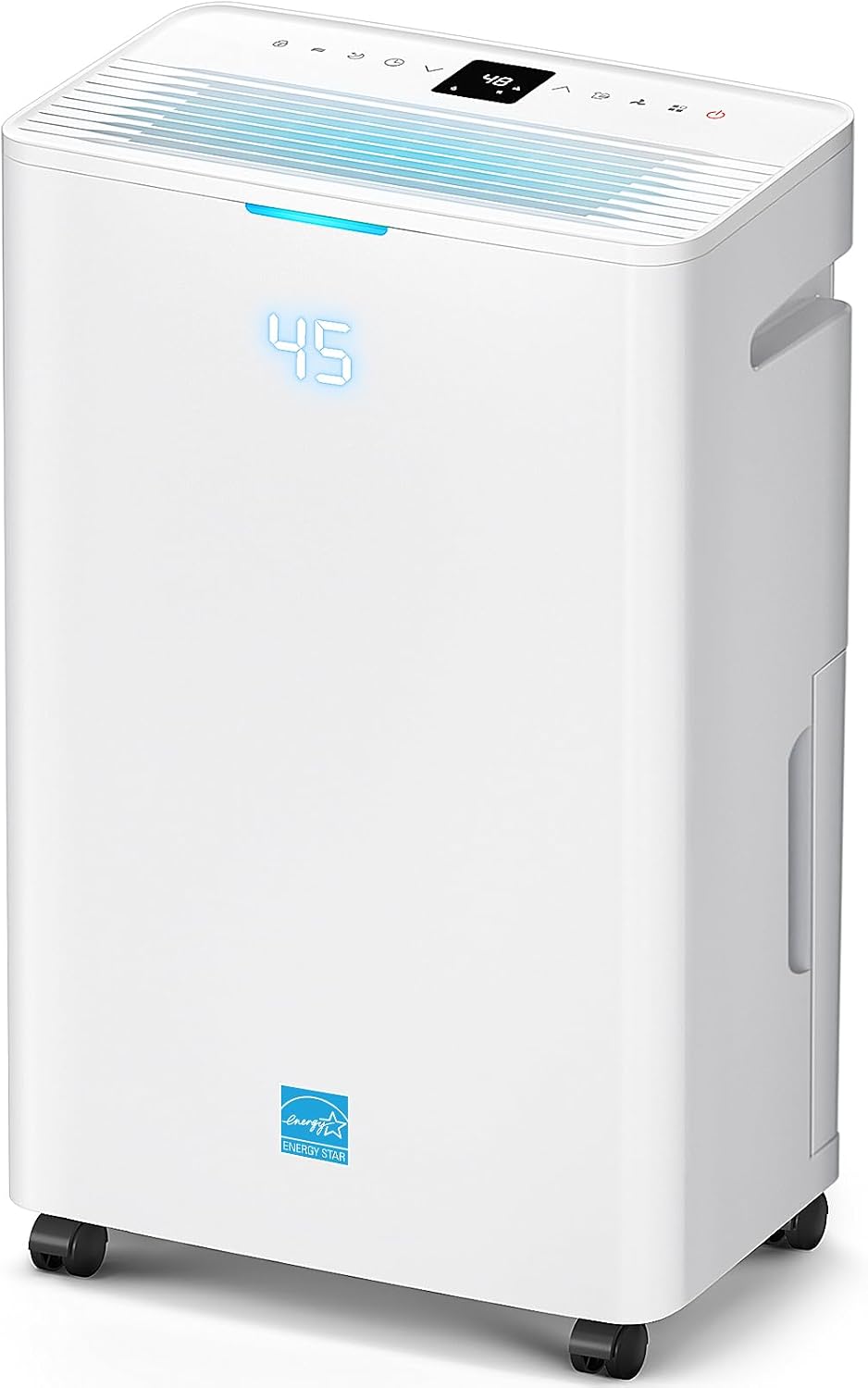
Ecor Pro 50 Pint Small Portable Commercial Desiccant Dehumidifier
Real capacity for crawlspaces and boats, stainless housing, desiccant so it works cold
Commercial build and price class, and it adds heat to a small closed room
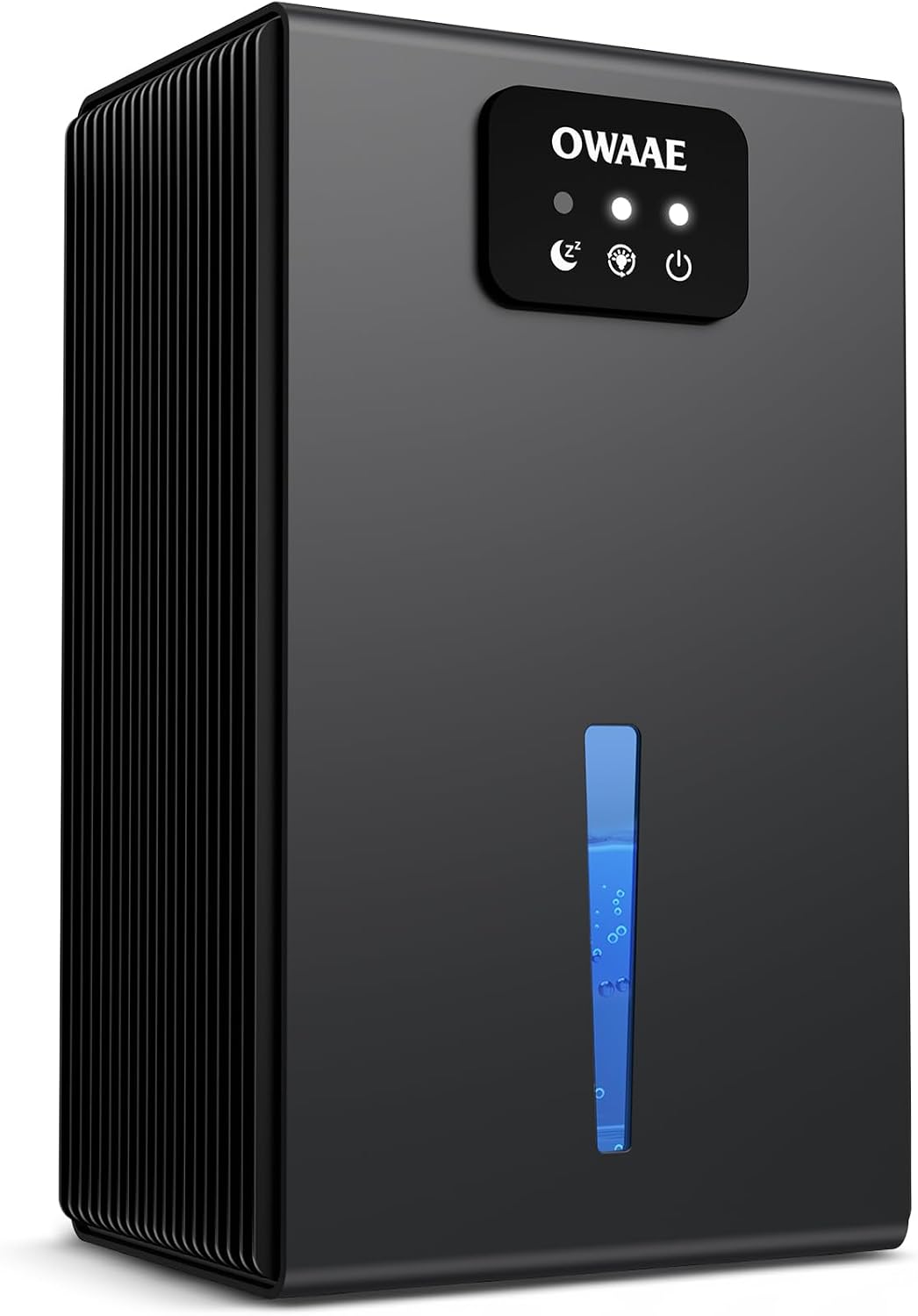
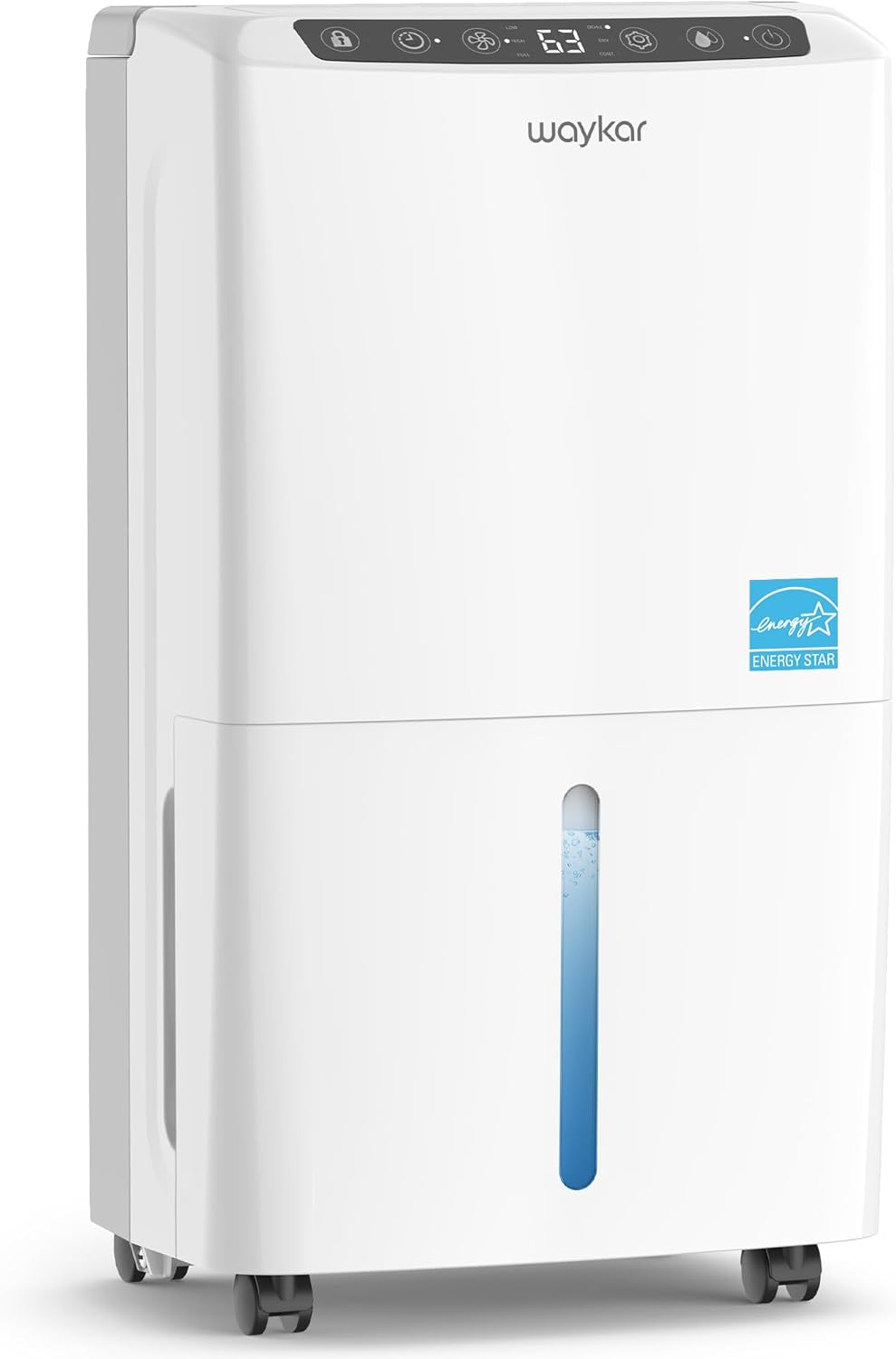
Dehumidifier for Home with Auto Shutoff Sleep Mode, 1000 Sq Ft
Straightforward warm-room unit with the largest stated coverage here, sleep mode for bedrooms
Auto shutoff means it stops when the tank fills, and 1000 square feet is a best-case number
Dehumidifier, 35 oz Small Dehumidifiers for Home, Bathroom, Bedroom, Rooms, Ultra-Quiet with Sleep Mode
Tiny, genuinely quiet, low running cost, easy to move from closet to RV
A 35 ounce tank in Gulf Coast humidity means emptying it constantly
Prices and availability were captured from Amazon Creators API and may change.
Start with temperature, not square footage
Every dehumidifier question I get starts with square footage, and that is the second most important number. Temperature comes first. I have watched a compressor unit rated for 50 pints pull a cup of water a day in a 58 degree crawlspace, then pull its full rating in the same space in August. Nothing changed except the air temperature and the dew point.
The rule I use on service calls is simple. If the space stays above 65 degrees during the damp season, buy a compressor unit and enjoy the lower watts per pint. If the space drops below that, especially at night, buy desiccant. A cold basement with a compressor unit in it is a dehumidifier that runs 24 hours a day, ices up, defrosts, and never catches up.
The second thing to know is that desiccant units add a little heat to the room. In a crawlspace or a garage that is a non-issue. In a small closed bedroom in July it is a real trade-off, and it is one more reason the desiccant units here belong in cold or unconditioned spaces.
The 13-pint desiccant unit for small cold rooms
The Ivation 13-pint is the unit I would hand a homeowner with a damp bathroom, a closet that smells like a basement, or a small attic space. It is a desiccant machine, so it keeps working when the temperature drops, and it ships with a continuous drain hose, which is the feature I care about most on any unit this size.
Its stated coverage is up to 270 square feet, and I would treat that as the honest ceiling rather than a starting point. Thirteen pints is a real number for a bathroom or a laundry room. It is not a basement number.
The 50-pint commercial desiccant unit for crawlspaces and boats
The Ecor Pro 50 pint is the outlier in this group, and it is the one I would put in a crawlspace, an unheated basement, or a boat that sits closed up on a lift all summer. Fifty pints of desiccant capacity is a different class of machine than the small units, and the stainless steel housing matters in a space that is permanently damp.
Two honest trade-offs. First, this is a commercial unit, and it is built and positioned like one, so a homeowner with one damp bedroom is overbuying. Second, desiccant units run warmer, and in a tight closed cabin or a small sealed room you will feel that. In a crawlspace or a boat hull, you will not care.
The 1,000 square foot home unit: the warm-room pick
The home unit with auto shutoff and sleep mode is the straightforward answer for a warm, damp living space. It carries the largest stated coverage in this comparison at 1,000 square feet, and sleep mode is a genuinely useful feature if the machine lives in or near a bedroom.
The catch is in the name of the feature. Auto shutoff means the unit stops when the tank fills, and a unit that stops at 3 a.m. in the worst month of the year is a unit that is not doing its job. If you are buying this for a basement or an open first floor, plan on a hose drain rather than the tank. If you are buying it for a warm bedroom, the tank and the sleep mode are exactly what you want.
The 35 ounce compact for closets, RVs, and half baths
The 35 ounce unit is the smallest machine here, and it is honest about what it is. Ultra quiet, sleep mode, auto shut off, compact and portable, and low enough on energy use to leave plugged in. Seven color lights are part of the package; if you are using it in a bedroom, you will probably turn them off, and that is fine.
Where it earns its place is a closet, an RV, a small bathroom, or a laundry nook. Where it does not is a 900 square foot basement in July. A 35 ounce tank is roughly a quart, and in real Gulf Coast humidity you will be dumping it more than once a day.
The tank is the product
I have said this for years and I will keep saying it: the tank is the product. A dehumidifier that shuts off when the tank is full is a dehumidifier that quits on you at the exact hour the humidity is worst. That is why I treat a hose drain as non-negotiable for any basement, crawlspace, or whole-floor application, and why the Ivation including a continuous drain hose in the box matters more than a couple of pints of rated capacity.
For a bedroom, a tank is fine. You are awake in that room, you will see the full indicator, and you will empty it. For a space you visit twice a month, the tank is a design flaw no matter how good the rest of the machine is.
The second thing that bites people is the restart behavior. Some units come back from a power outage in fan-only mode and quietly do nothing until someone notices. After every storm season outage, check that your unit is actually in dehumidify mode. I have made that service call more than once.
Where the pint rating lies
Pint ratings are measured under lab conditions, usually warm and moderately humid. Your house is not a lab. Door gaps, an open stairwell, a bathroom exhaust fan, and a 1920s floor plan all move air through the space and hand the dehumidifier a job it was never rated for. My working number is to cut the rated capacity by 30 to 40 percent for a real, lived-in house, then buy for the reduced number.
That is also why the humidistat reading and your hygrometer rarely agree. I carry a hygrometer on every call and I trust it over the dial on the machine every time. If the unit says 45 percent and the hygrometer says 58, believe the hygrometer and set the unit lower.
What I would buy for each room
- A cold, damp bathroom, closet, or small attic: the Ivation 13-pint desiccant unit, drained by hose.
- A crawlspace, unheated basement, garage, or boat: the Ecor Pro 50 pint desiccant unit.
- A warm, damp bedroom or open living area with real square footage: the 1,000 square foot home unit with auto shutoff and sleep mode, on a hose if it is running in a basement.
- A closet, RV, or half bath where space is the constraint: the 35 ounce compact.
Notice that two of those four answers are desiccant and two are not. That is the whole point of the temperature split. Anyone who tells you one type wins everywhere has not spent a February in a Louisiana crawlspace.
Questions I get every week
Do I really need a hose drain? Below 60 percent indoor humidity conditions, yes, if the unit is in a space you do not sit in daily. Emptying a tank every day gets old in about a week, and then the machine gets unplugged.
Can one unit dry a whole house? No. A dehumidifier dries the air it can reach, and air does not move through a closed bedroom door. If you have a damp back room and a damp front room, you need two units or you need to fix the air movement first.
Is a window AC with a dry mode enough? Sometimes, yes. If the room is warm anyway and you were going to run cooling regardless, a window unit in dry mode can pull a surprising amount of water. It stops being enough when the room is cool and the humidity is still high, which is exactly when a desiccant unit earns its keep.
Should I buy the biggest unit I can afford? No. An oversized unit short-cycles, which means it never runs long enough to dry the air properly and it wears out its compressor faster. Size to the room, not to the budget.
The bottom line
If your damp problem lives in a warm room, buy the 1,000 square foot home unit, put it on a hose if it is in a basement, and set the humidistat lower than feels right. If your damp problem lives in a cold space, a crawlspace, or a boat, buy desiccant, and pick between the compact Ivation and the commercial Ecor Pro based on how many square feet you are actually trying to dry. If you just need the closet or the RV to stop smelling like a wet towel, the 35 ounce compact does that job quietly and cheaply.
The unit you will actually keep running is the one that does not need you to babysit it. That is the buying decision, and it has almost nothing to do with the number on the box.