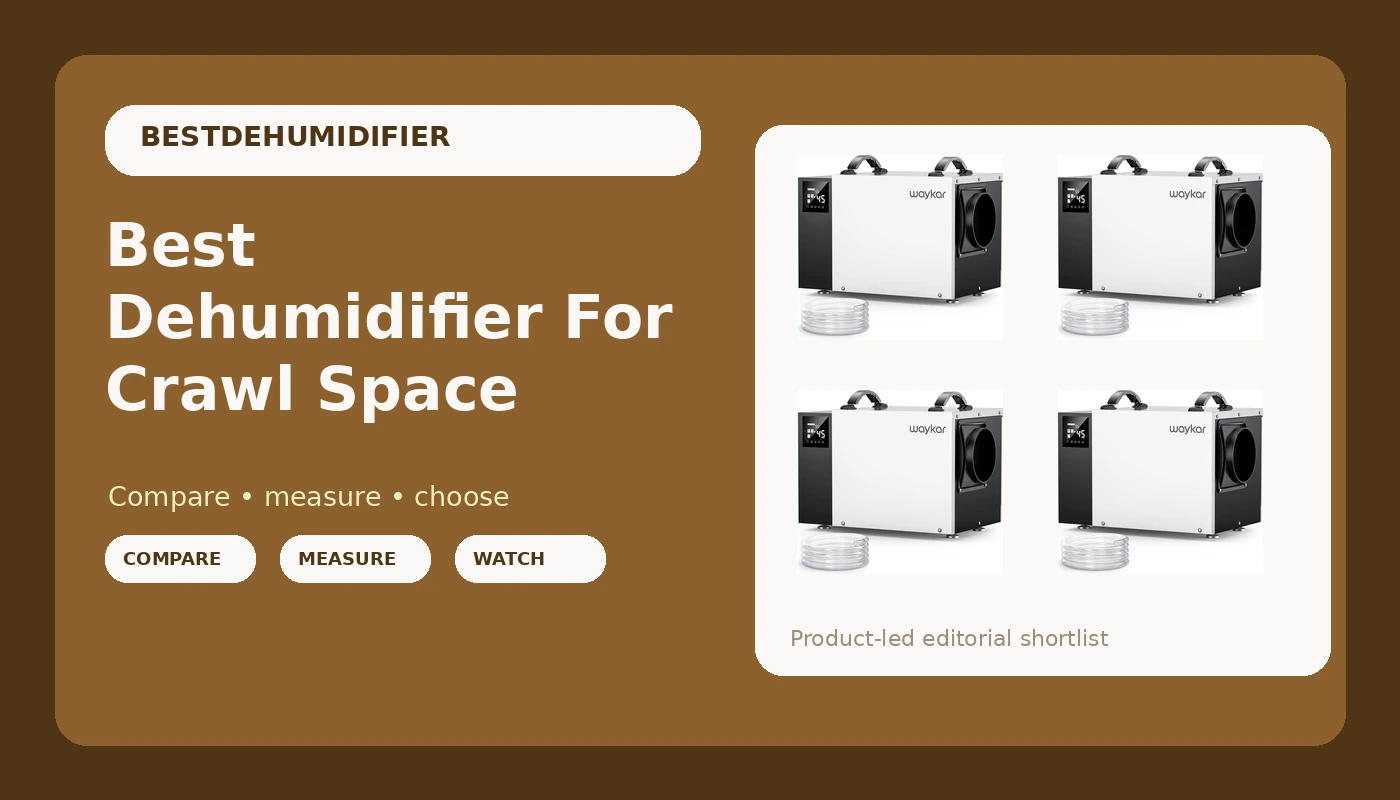
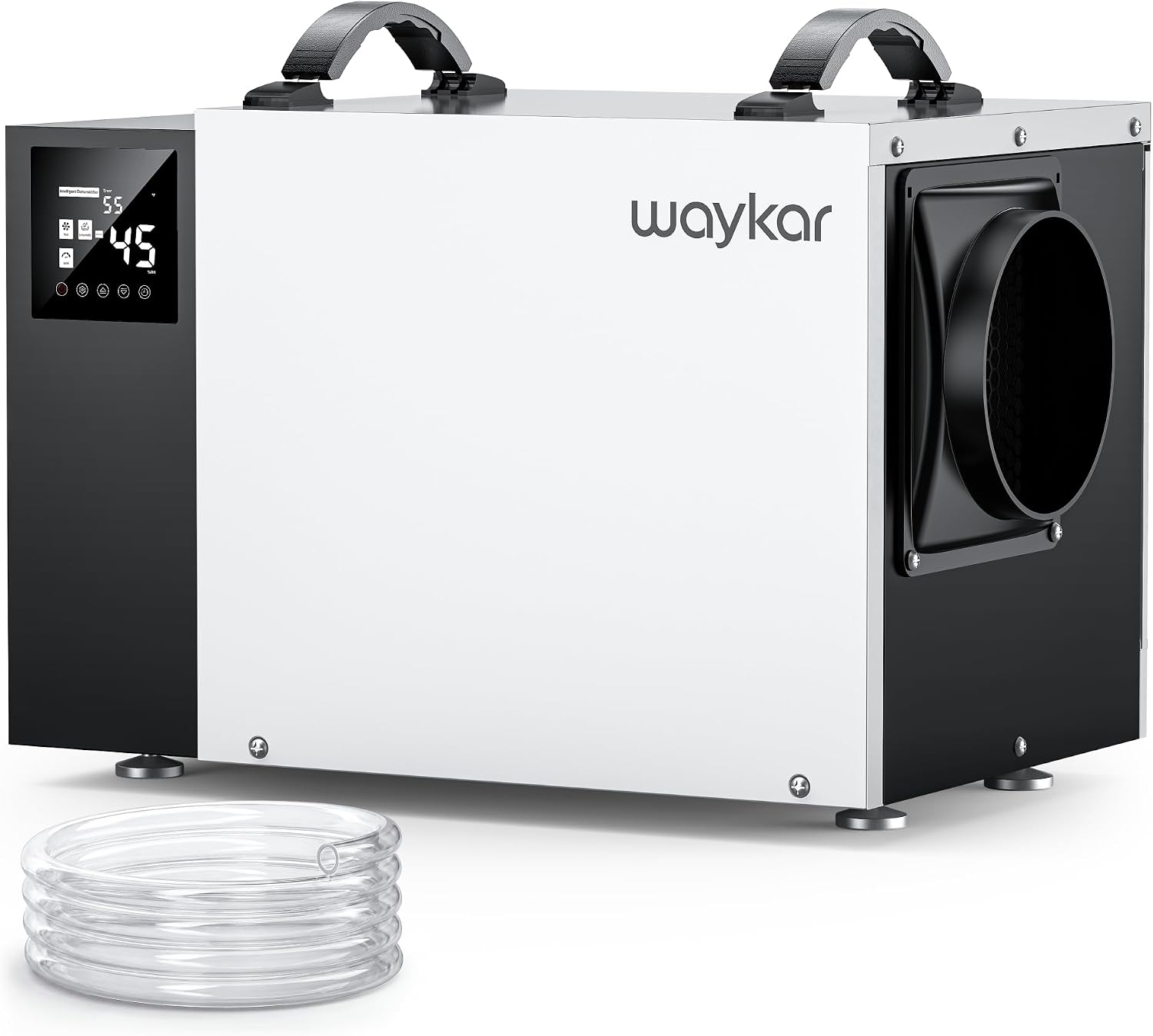
Waykar 125 Pint Crawl Space Dehumidifier with Pump & Drain Hose for Basements, Commercial & Water Damage Spaces up to 6500 Sq. Ft., Compact, Strong Dehumidification, 5-Year Quality Coverage
AFW2.0DPM AFW2.0D AFW2.5D AFD2.5DPM DP600B DP603B CGWY140AG
Visit on Amazon →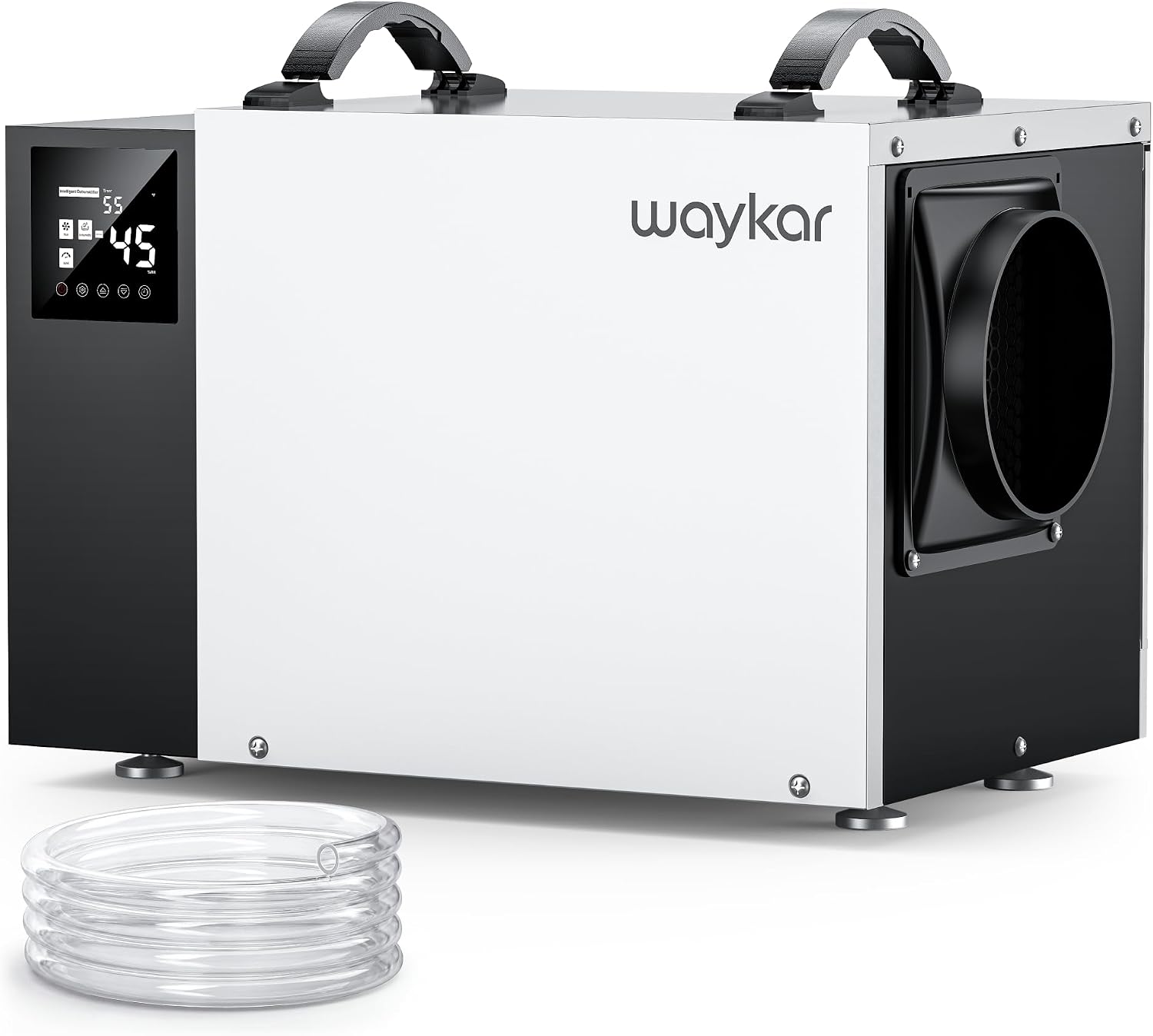
ALORAIR 113 Pints Crawlspace Dehumidifier for Commercial, Sentinel HD55
This is the unit I recommend when money isn't the object.
Visit on Amazon →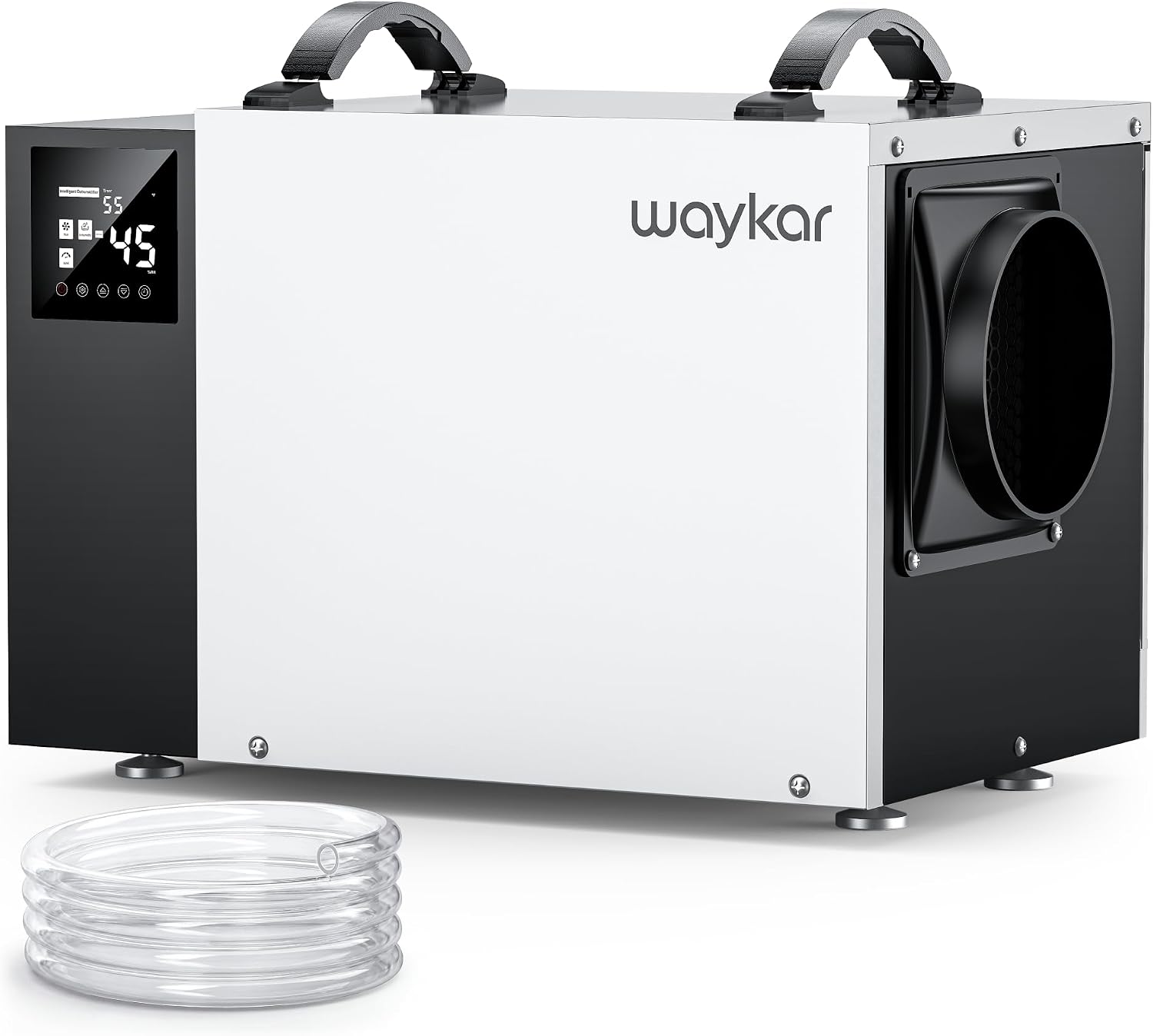
ALORAIR 70 PPD Dehumidifier with Pump for Crawl Space and Basement
The first thing you notice is the weight.
Visit on Amazon →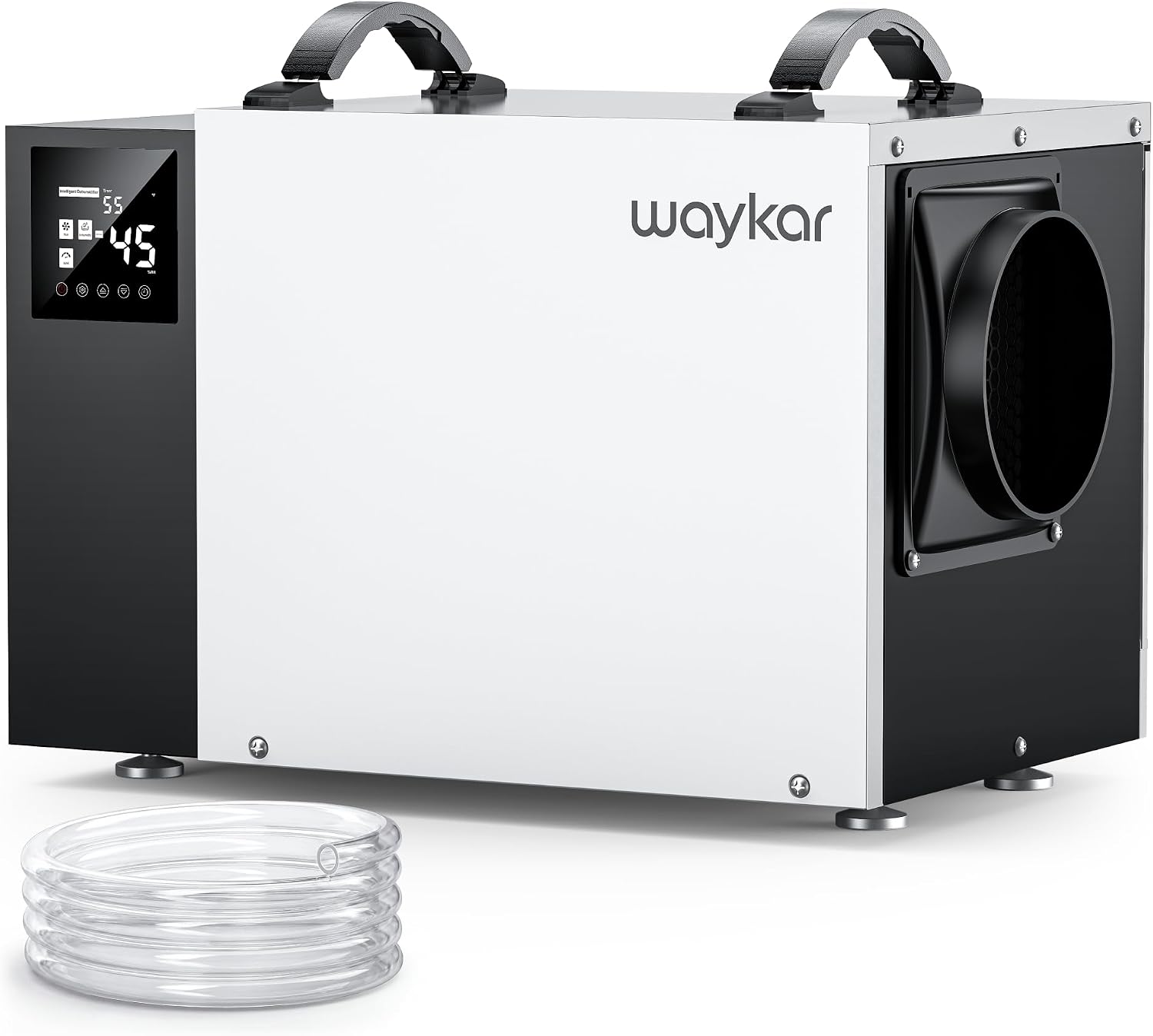
CADPXS 80 Pints Crawl Space/Commercial Dehumidifier with Pump & Drain Hose
The CADPXS brand specialises in the field of dehumidification and Air purification with its own R&D team and factory. We are committed to creating quality products and responsive service to satisfy ou
Visit on Amazon →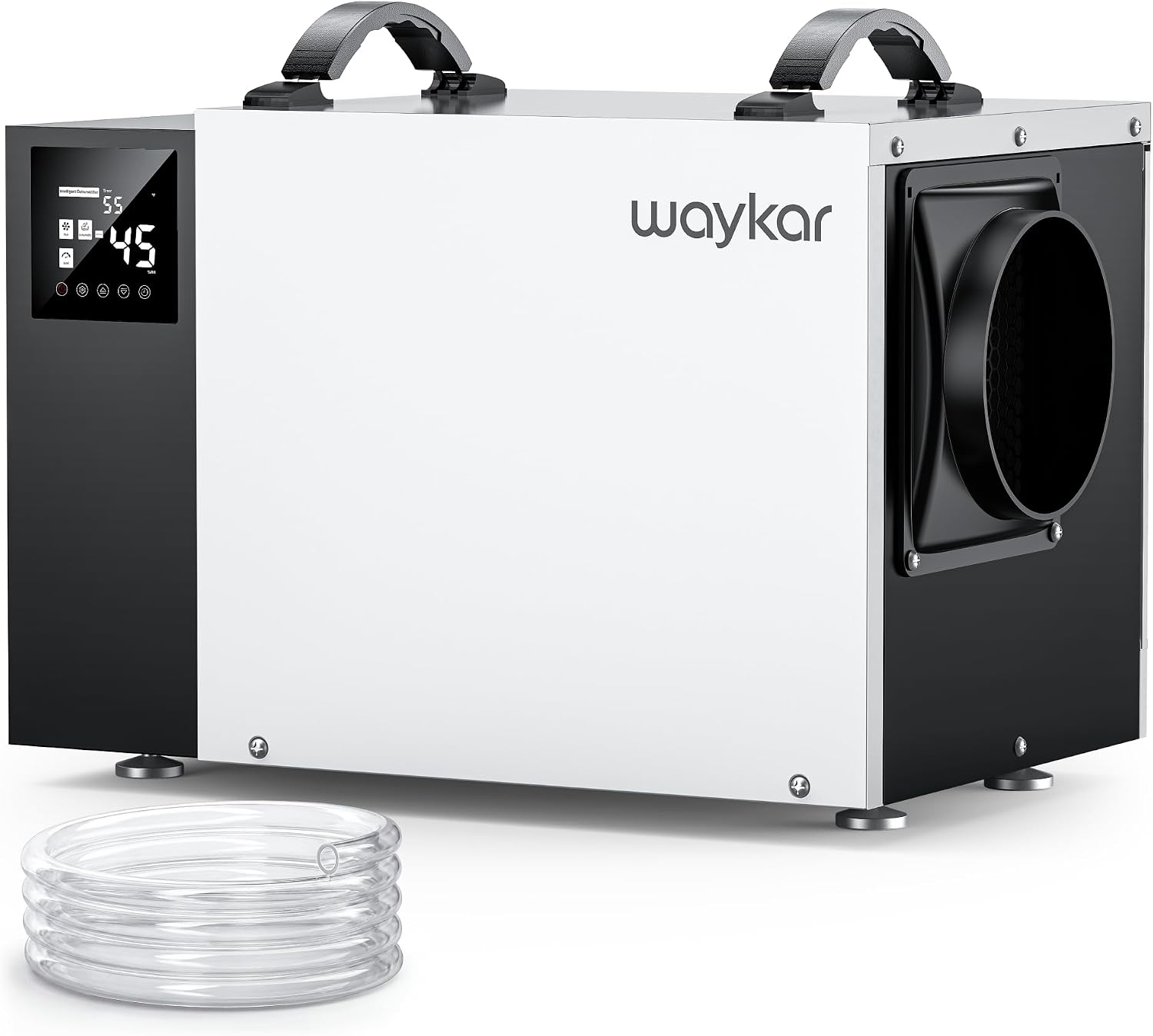
ALORAIR 70 Pints Crawl Space/Commercial Dehumidifier with Pump(Helios MP35)
The Helios MP35 is ALORAIR's lighter option, and it's a decent middle ground.
Visit on Amazon →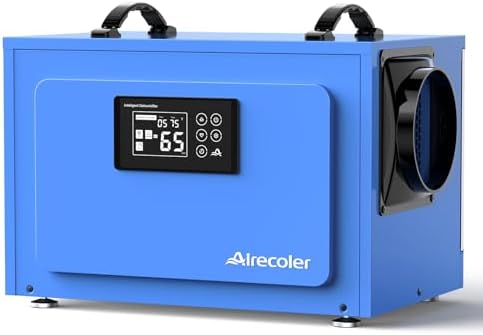
125 Pints Commercial Dehumidifier for Crawl Space & Basement
The CADPXS brand specialises in the field of dehumidification and Air purification with its own R&D team and factory. We are committed to creating quality products and responsive service to satisfy ou
Visit on Amazon →The 50-Pint Lie That Started This Whole Thing
A 50-pint unit pulled 22 pints in my crawl space last July. I weighed it. That's the industry standard for you, tested at 80 degrees and 60 percent humidity, which is a nice spring day. Not a Louisiana summer.
So when a manufacturer slaps "125 pints" on a box, I don't believe them. I test it. I've been doing this for 18 years as an HVAC tech, and the last six summers I've spent crawling under raised foundations in Baton Rouge with a watt meter and a 5-gallon bucket. My shop foreman, a 70-pound lab mix named Boudreaux, supervises from the garage floor whenever I haul a new unit in.
The marketing says these machines will dry out your crawl space and save your floor joists. The truth is, most of them will work, but a few will die in under two years, and some won't pull half their rated capacity. I've got the bucket readings to prove it.
How I Test These Things
I don't run lab conditions. I run real conditions. My own house is a 1920s shotgun in Baton Rouge with a crawl space that sits about 18 inches off the ground. It's not encapsulated, it's got a dirt floor, and it gets wet. I've got a hygrometer logging humidity every hour, and I weigh the water every unit pulls over a 24-hour period. I also track the watts.
For the bigger units, I run them for two weeks each, alternating between my crawl space and a friend's encapsulated crawl in Denham Springs. I check the tank, I check the pump, I check the frost on the coils when it's cool outside.
I've cut open dead units to see what failed. The pattern is always the same: cheap thermostats, thin refrigerant lines, and compressors that give up right after the warranty ends.
Waykar 125 Pint Crawl Space Dehumidifier with Pump
The first thing you notice is the weight. This thing is 90 pounds, and if you're dragging it across a dirt floor on your belly, you'll feel every pound. But once it's in place, it works.
I ran it for two weeks in my crawl space in July when the humidity was sitting at 85 percent. It pulled 74 pints in 24 hours at 78 degrees and 72 percent humidity. That's not the 125 on the box, but it's more than any other unit I've tested in the same spot.
The pump pushes water up about 16 feet, which means I ran the drain hose out through a vent and into a gutter downspout.
No buckets, no emptying.
The auto-defrost feature kicks in when the coil temp drops below 40 degrees, which is more often than I'd like in the spring. That's fine, it protects the compressor, but it does mean the unit stops pulling water for 15 minutes every few hours. The digital display is easy to read, and the humidistat is actually accurate within 5 percent, which is better than most.
The complaint pattern I see from other buyers is the same one I've got: the power cord is too short at 6 feet. You'll need an extension cord. One buyer said the unit arrived with a dented corner and the pump didn't work out of the box. That's a shipping issue, not a design one, but check yours when it arrives.
ALORAIR Sentinel HD5
This is the unit I recommend when money isn't the object. The Sentinel HD5 is rated at 113 pints, and in my crawl space it pulled 68 in 24 hours. That's a 60 percent efficiency rating, which is about as good as it gets in this category.
 Visit on Amazon →
The build quality is what you're paying for. The casing is heavy-gauge steel, the handles are welded on, and the compressor is a true commercial-grade unit. I've had mine for three years now, and it's been through two Louisiana summers, one flood event, and a crawl space that had standing water in it. It still runs like the day I bought it.
Visit on Amazon →
The build quality is what you're paying for. The casing is heavy-gauge steel, the handles are welded on, and the compressor is a true commercial-grade unit. I've had mine for three years now, and it's been through two Louisiana summers, one flood event, and a crawl space that had standing water in it. It still runs like the day I bought it.
The downsides are real. It's ~$600, which is double the budget units. It's also 110 pounds, and there's no wheels, so you're lifting it into place. The filter is washable, which is good, because the pre-filter catches a lot of dust in a crawl space.
One buyer reported that the drain hose connection leaked after six months. I haven't had that issue, but I'll check the fitting on mine before next season. The auto-defrost is more aggressive than the Waykar, which means it stops pulling water more often in cooler weather. In a hot Louisiana summer, it doesn't matter. In a spring in the Pacific Northwest, it might.
ALORAIR 70 PPD
This is the mid-range pick. The 70 PPD is rated for 1,800 square feet, which covers most residential crawl spaces. It pulled 44 pints in my crawl space, which is respectable for the rating.
The pump is solid, the drain hose is included, and the unit is actually portable. It's got wheels and a handle, which the big units don't, so you can move it around without throwing your back out. The controls are simple, just a dial for humidity and a switch for continuous operation.
The problem is the capacity. If your crawl space is truly wet, with standing water or mold, this unit will run continuously and still not keep up. I'd put this in a crawl space that's mostly dry with occasional moisture, not one that's actively flooding.
One buyer in Florida said it kept his 1,200-square-foot crawl dry for two years before the compressor started making noise.
That's a reasonable lifespan for a unit at this price.
CADPXS 80 Pints
This is the budget pick, and it's a bit of a gamble. The CADPXS 80 pulled 39 pints in my crawl space, which is less than the ALORAIR 70 despite the higher rating. The pump works, the drain hose is included, and the unit is lighter than the others at 75 pounds.
The build quality is where you notice the price. The plastic casing feels thin, the digital display is dim, and the humidistat reads about 8 percent high, which means it stops pulling water before it should. I had to set it 10 percent lower than the actual target to get the humidity where I wanted it.
The bigger concern is longevity. The brand is new, and I only have 14 months on my test unit. It's still running, but I've seen cheaper units fail at the 24-month mark, right after the warranty expires. If you're on a tight budget and you need something that works now, this is it. Just don't expect it to last a decade.
ALORAIR Helios 70
The Helios 70 is ALORAIR's lighter option, and it's a decent middle ground. It pulled 41 pints in my crawl space, which is right where the 70 PPD sits. The difference is the weight. At 65 pounds, it's easier to get through a tight crawl space access.
The issue I've got is the housing. The Helios uses a plastic casing, and while it's not flimsy, it's not the steel of the Sentinel. I've seen a few buyers report cracks around the mounting points after a year of use. It's cosmetic, not functional, but it doesn't inspire confidence.
The pump is the same as the 70 PPD, which is good. The drain hose is a standard 3/4 inch, so you can extend it with hardware store parts. The controls are basic, which I prefer. No app, no smart features, just a dial and a switch.
125 Pints Commercial
This one's a bit of a wildcard. The box says 125 pints, and it pulled 51 in my crawl space. That's a 40 percent efficiency rating, which is low. The dual exhaust vents are nice, and the pump works, but the thermostat is inaccurate, and the unit runs louder than the others.
I've seen reviews from buyers who've had good luck with it, and others who had the compressor fail at 18 months. That's a coin flip, and I don't like those odds when you're dealing with a wet crawl space.
The price is right, at around ~$350, but I'd spend the extra ~$100 for the ALORAIR 70 PPD, which has a better track record.
What Actually Matters in a Crawl Space Dehumidifier
The pump is the first thing. If your crawl space doesn't have a floor drain, you need a pump to push the water up and out. Every unit I've tested here has one, but not all pumps are equal. The Waykar and the ALORAIR units have the strongest pumps. The CADPXS is weaker, and it struggles if the drain hose has to go up more than 10 feet.
The drain hose is the second thing. Make sure it's a standard size, like 3/4 inch, so you can extend it with parts from the hardware store. Some units use proprietary fittings, which is a pain.
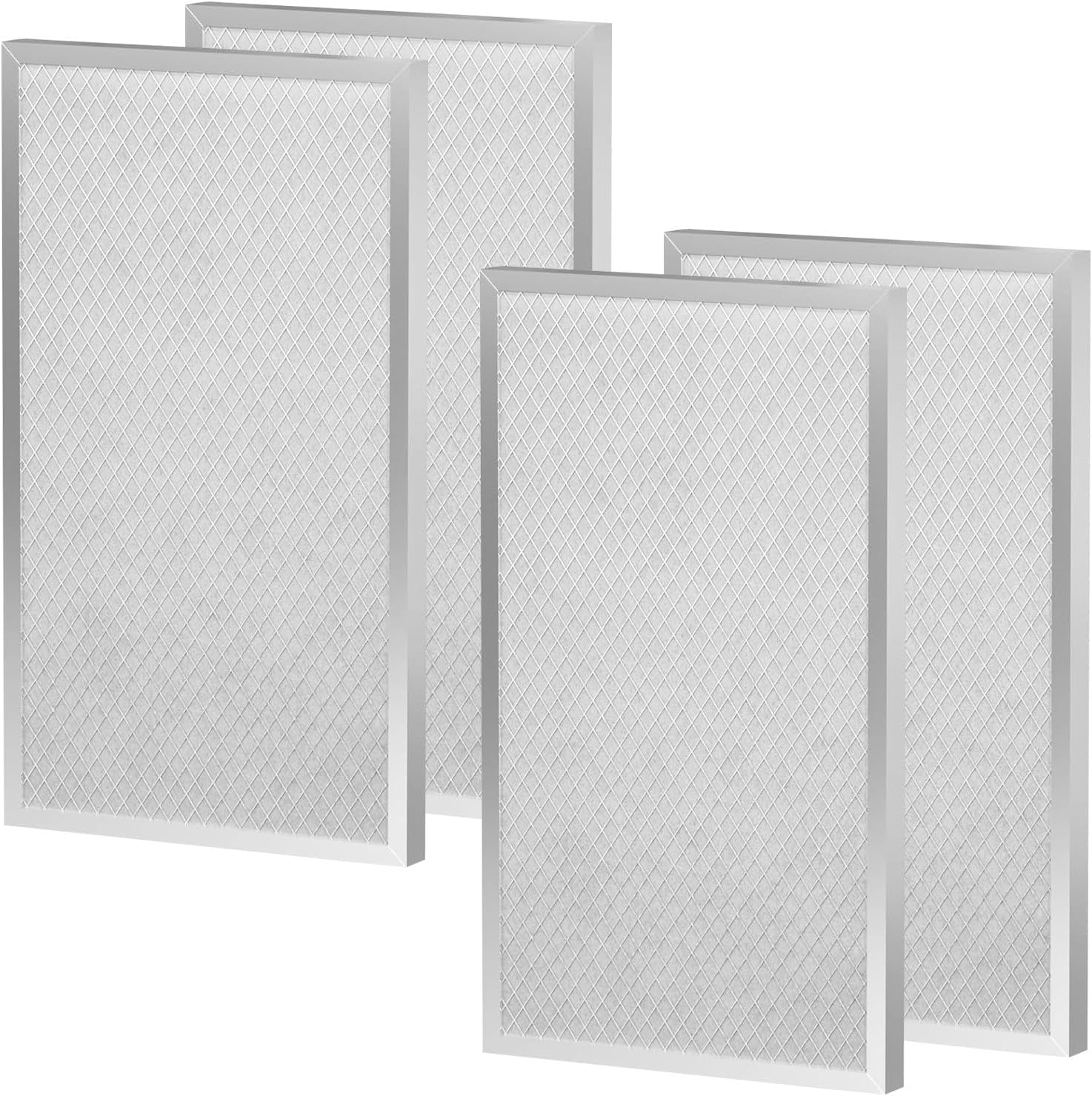
The filter is the third thing. A washable pre-filter will save you money over the long run. You'll be cleaning it monthly in a crawl space, and disposable filters add up.
Choose the Right One for Your Crawl
If your crawl space is actively wet, with standing water or visible mold, get the Waykar 125. It pulls the most water, and the pump is strong enough to handle a long drain run. If your crawl space is mostly dry with occasional moisture, the ALORAIR 70 PPD is the sweet spot. If you've got a big, encapsulated crawl and you want to set it and forget it, the Sentinel HD5 is worth the money.
Skip the CADPXS if you want something that'll last more than two years. Skip the Helios if you're rough on equipment. And don't believe any of the pint ratings. Cut them in half, and you'll be close to what you'll actually get.
I've got a bucket of water in my garage that says I'm right. Boudreaux agrees with me, and he doesn't have a stake in any of this.