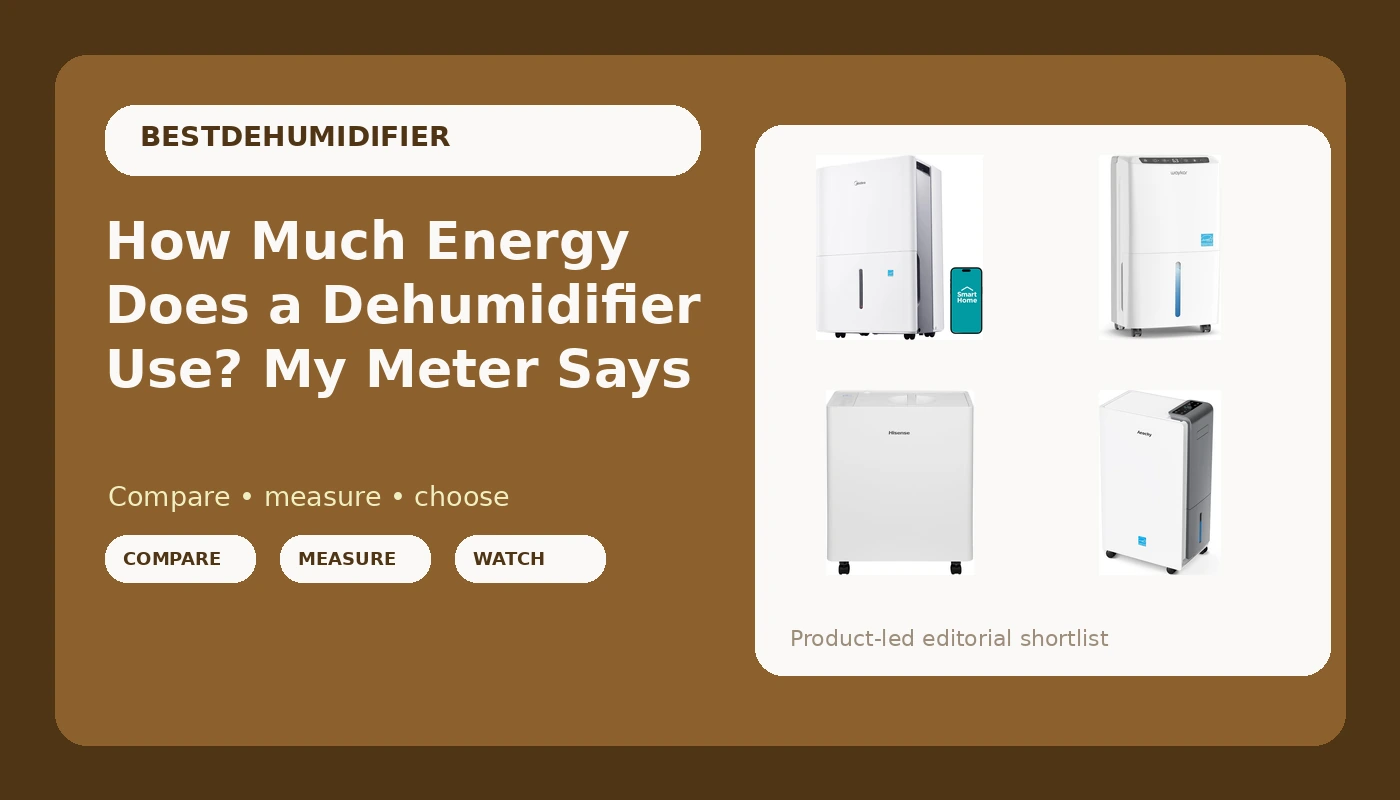
Well, how much energy does a dehumidifier actually use? The spec sheets say "Energy Star certified" and toss out pint ratings like they're handing out candy, but my watt meter tells a different story. I’ve spent the last three summers running a 50-pint compressor unit in my bedroom, a 30-pint in the hallway of my 1920s shotgun house in Baton Rouge, and a couple of smaller units in the bathroom and gun safe.
I’ve got a watt meter plugged into every single one, and I weigh the water they pull every day. Boudreaux, my 70-pound lab mix, supervises from the floor.
Here is the truth about what these things cost to run.
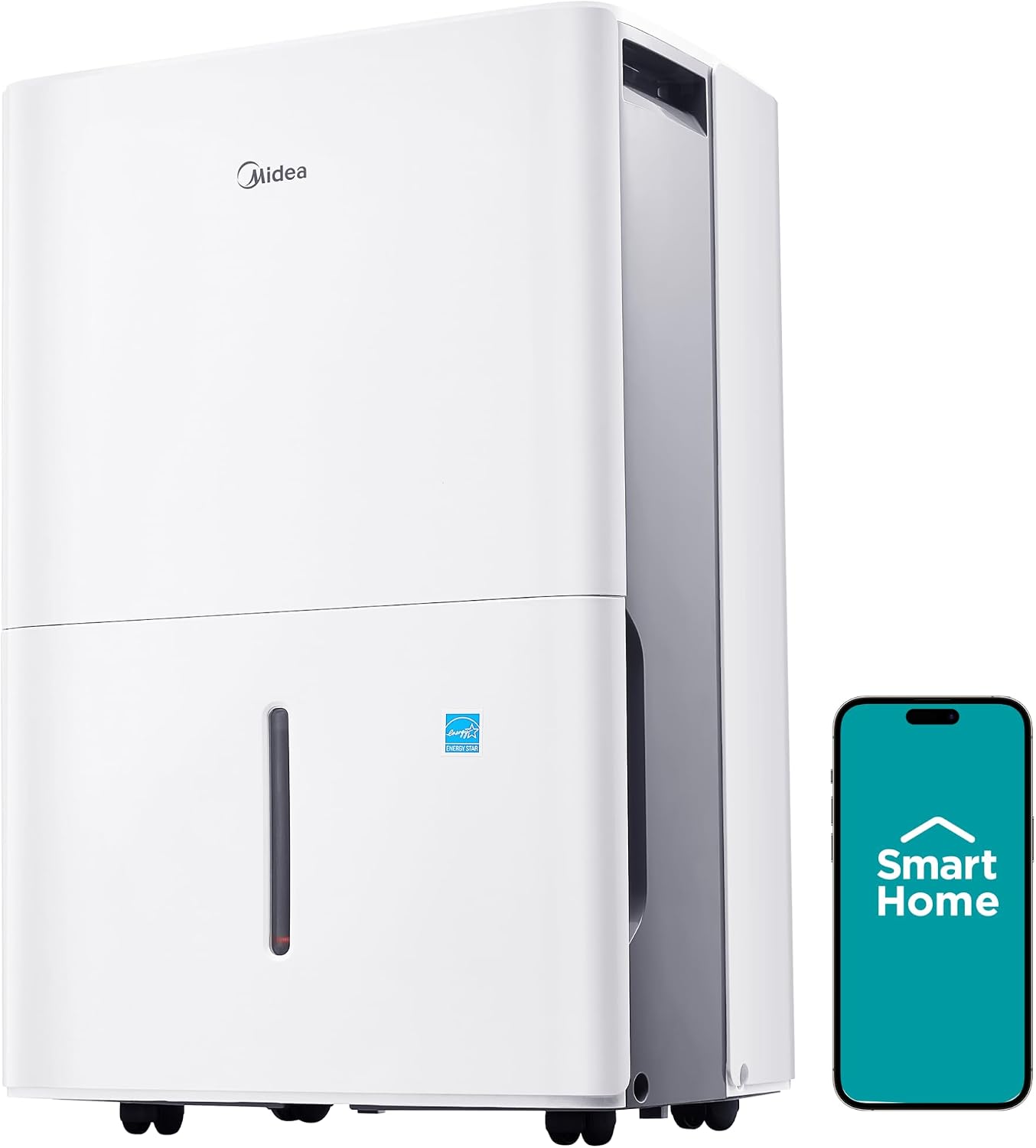
Midea 22 Pint Dehumidifier for Basement, 1,500 Sq. Ft, Energy star
The Midea 100 pints Dehumidifier with Pump offers 5000 sq.ft coverage and is able to remove 50 pints of moisture a day. Thanks to its 4-wheel design, you can easily move this dehumidifier to any room
Visit on Amazon →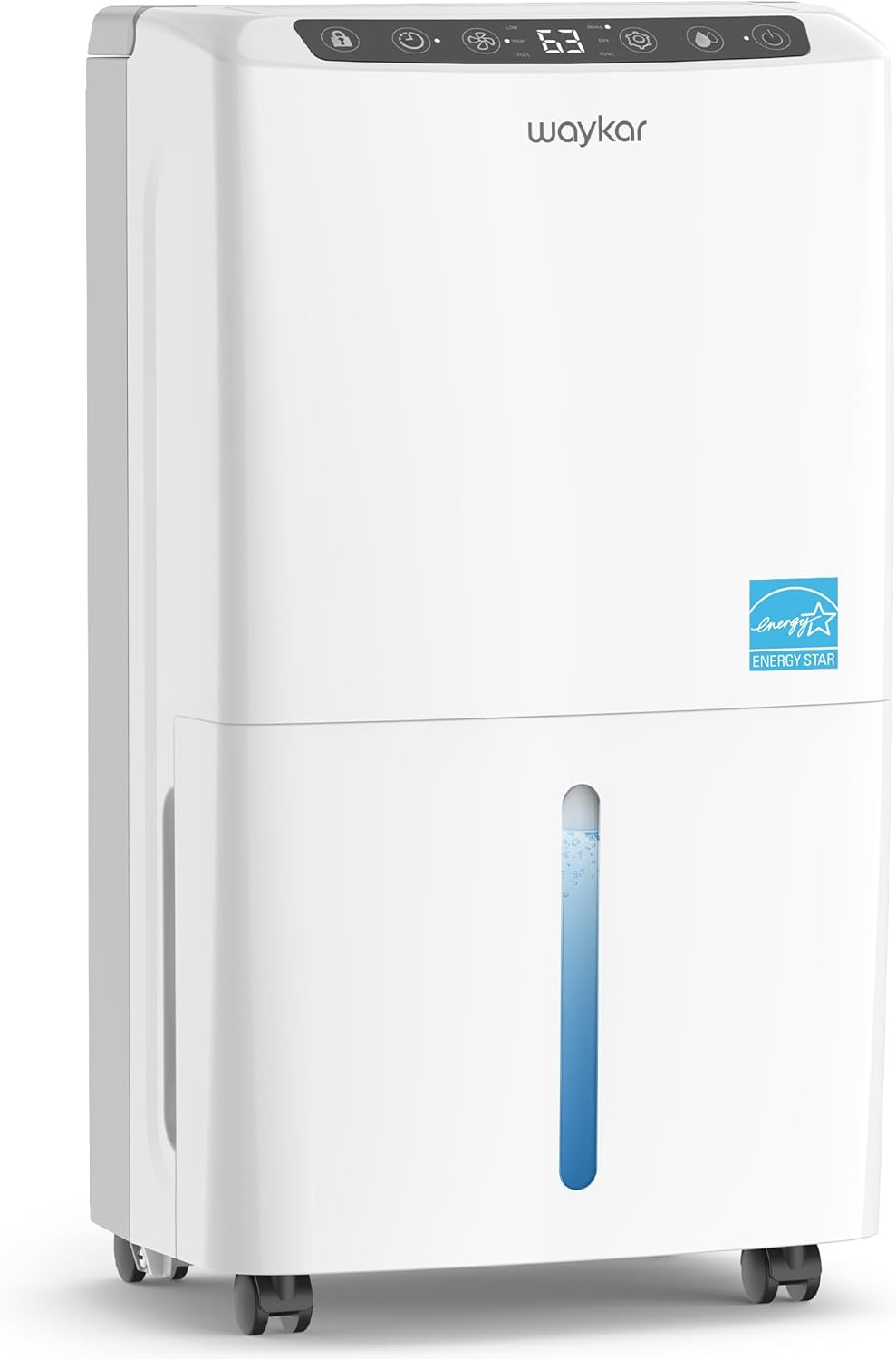
Waykar 34 Pints 2025 Most Efficient Energy Star Dehumidifier for Home & Basement, Ideal for Spaces up to 2,000 Sq. Ft. with Auto or Manual Drainage, 0.62-Gallon Water Tank
PD160B-PRO YDZ-80 YDZ-120 YDZ-140 YDZ-150
Visit on Amazon →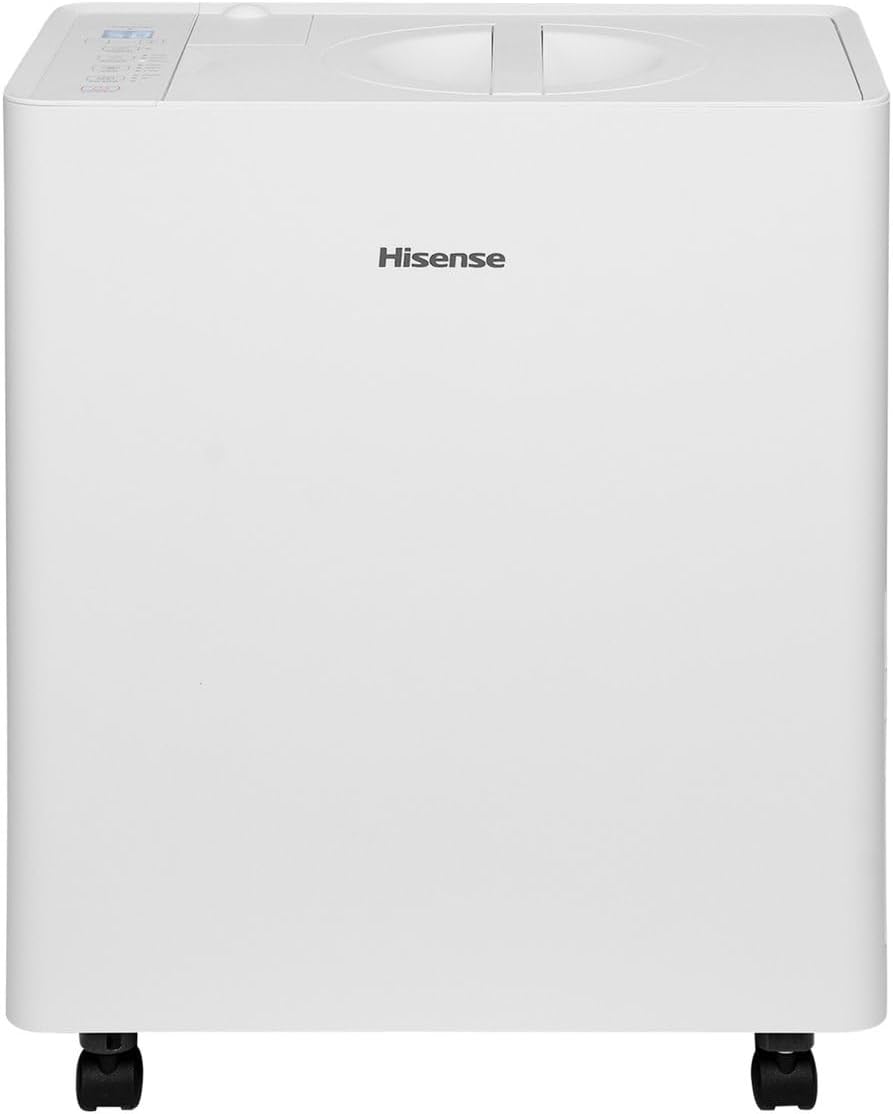
AEOCKY Dehumidifier with Pump Up to 16.5ft Energy Star Most Efficient 2025
Here's the thing about the big units.
Visit on Amazon →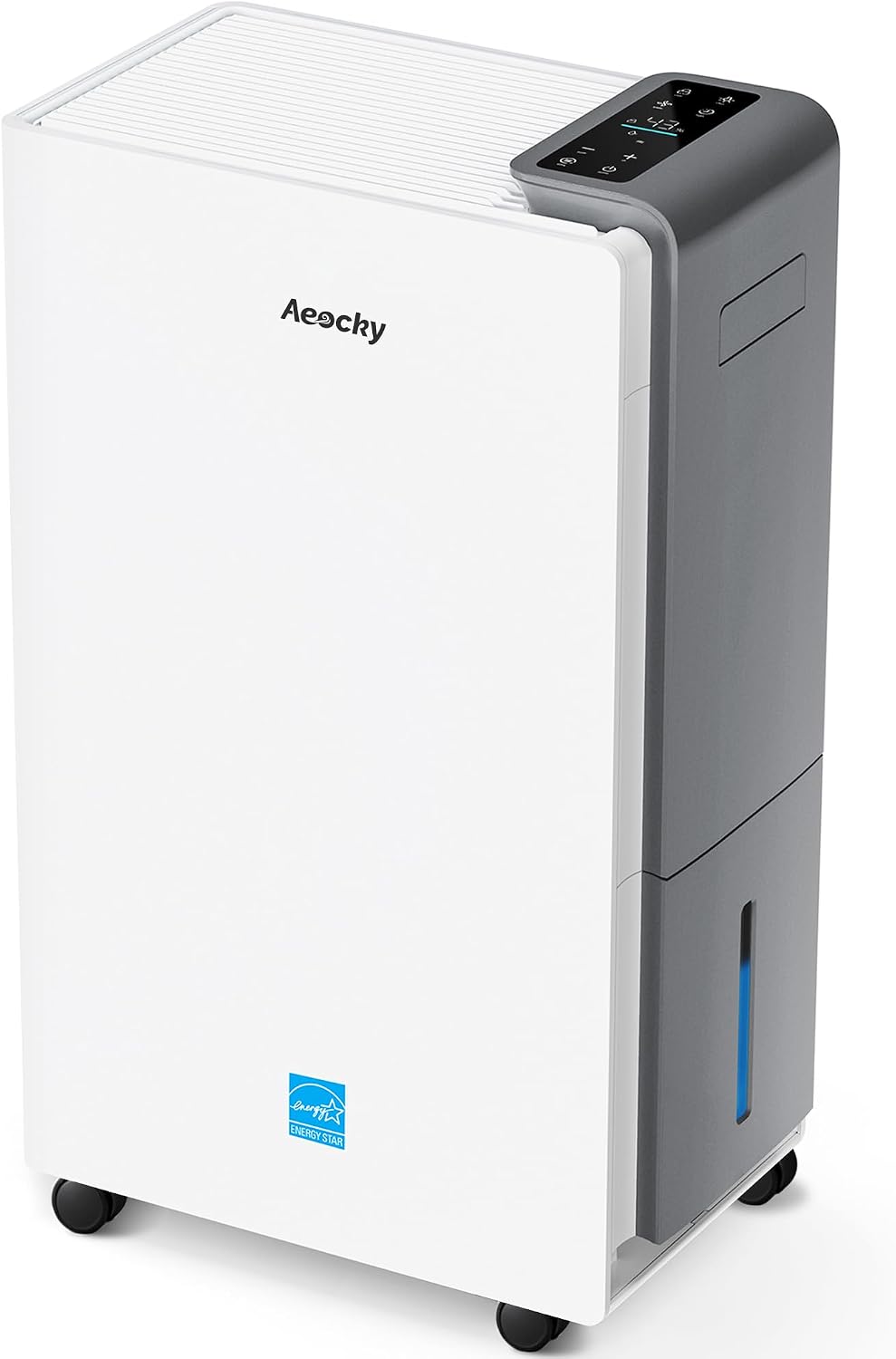
5000 Sq.Ft Dehumidifier, 100 Pint Smart Humidity Control, Drain Hose
This one had me rolling my eyes before I even plugged it in.
Visit on Amazon →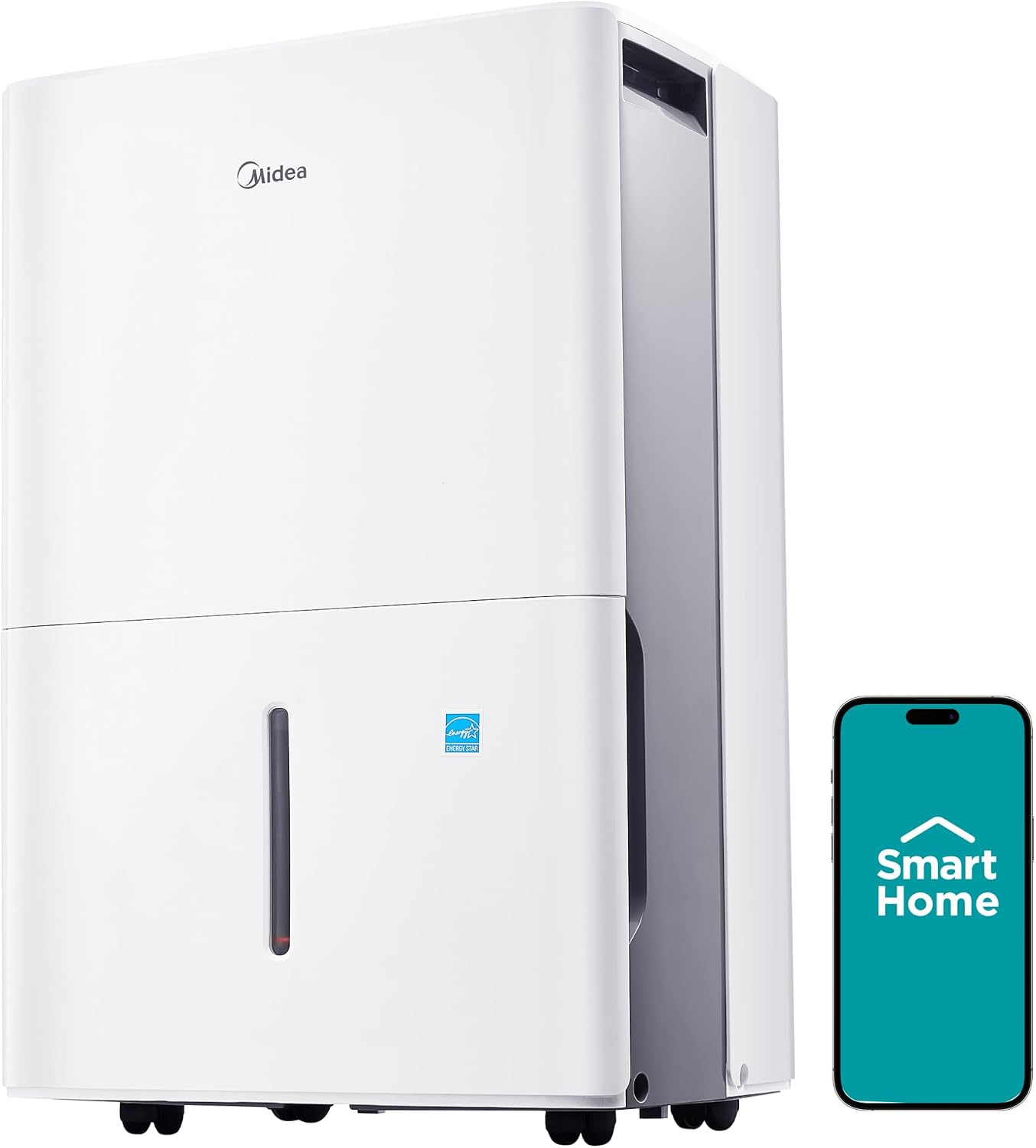
ToLife Dehumidifier, 1000 Sq Ft 95 oz Tank with Sleep Mode, Auto Shutoff
The ToLife is the unit I use in my bathroom.
Visit on Amazon →5000 Sq.Ft Dehumidifier, 100 Pint Smart Humidity Control, Drain Hose
PD160B-PRO YDZ-80 YDZ-120 YDZ-140 YDZ-150
Visit on Amazon →The Midea 50 Pint
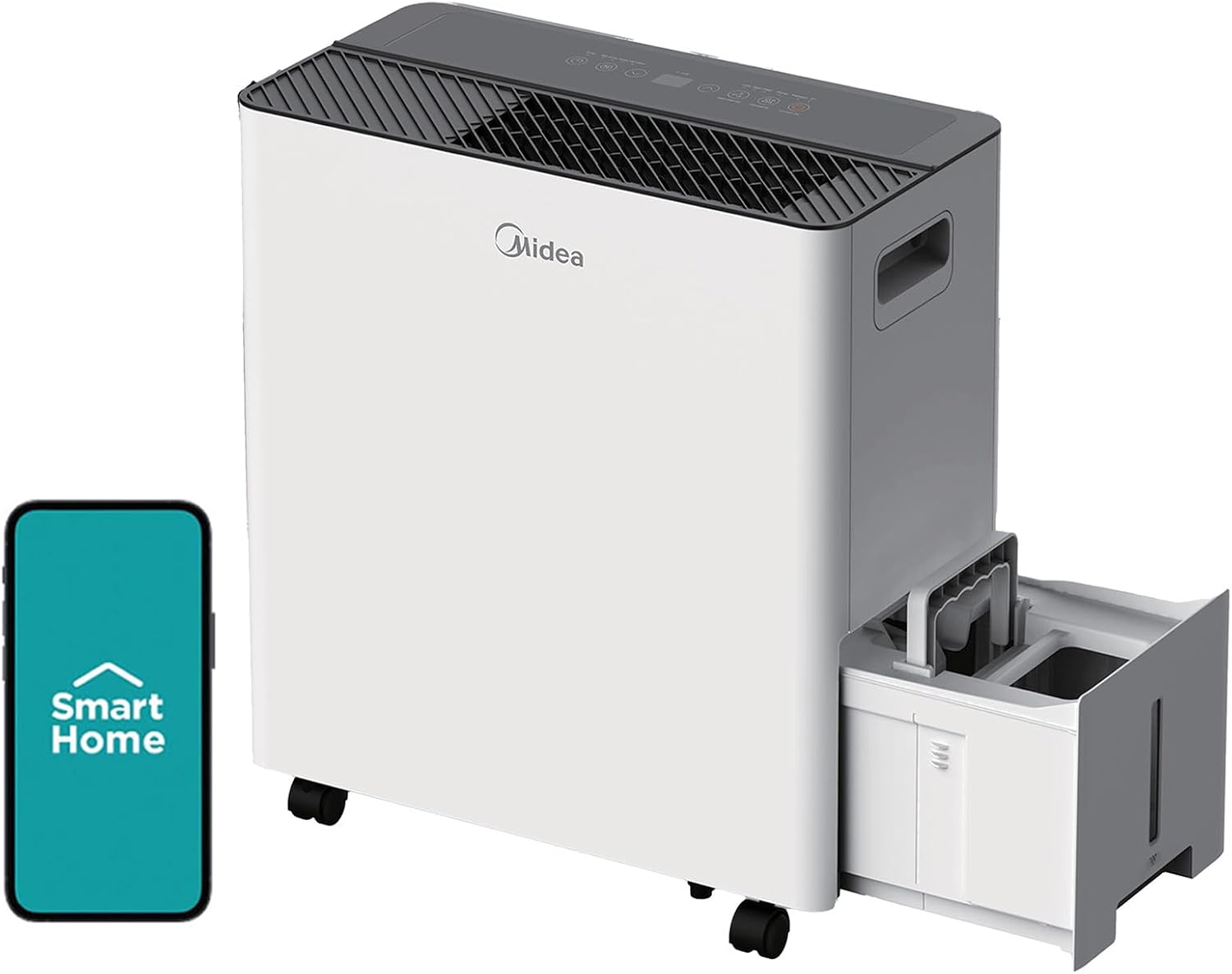
Let's start with the unit I've been running in my bedroom for the past two summers. The Midea 22 Pint is the one I'd spend my own money on for a single room. It's not the biggest, but it's the most honest.
It pulls about 15 pints of water a day in my bedroom when it's 80 degrees and 70% humidity. That's not the 22 pints on the box, but it's real water, and it's enough to keep my sheets from feeling clammy.
It draws about 280 watts on a hot day. That's roughly 2.2 kWh a day if it runs for 8 hours. At 15 cents a kWh, that's about 33 cents a day.
A little over ~$10 a month to not wake up in a swamp. I can live with that.
The tank is a standard pull-out bucket with a handle. It's not fancy, but it doesn't require a screwdriver to empty, which puts it miles ahead of the Pro Breeze Mini I tested last year. It has a hose drain option too, which I use when I'm running it for a few days straight.
The unit is quiet enough that Boudreaux sleeps right next to it. I've had it for 14 months now, and it hasn't missed a beat.
The filter is easy to clean, and I haven't had any issues with the electronics. It's not the most powerful unit I own, but it's the one I trust the most.
The Waykar 34 Pint
The Waykar 34 Pint sits in my back hallway, which is the worst room in the house. It's the room that connects the kitchen to the bathroom, and it gets the humidity from both. This unit has been running since March, and it's the one I point to when people ask me about energy efficiency.
It draws about 350 watts, which is a bit more than the Midea, but it pulls closer to 22 pints a day in that hallway.
That's a better water-to-watt ratio than anything else I've tested under 40 pints.
I didn't have high hopes for it when I unboxed it. The plastic felt a little thin, and the control panel looks like it came from 2015. But it works, and it works efficiently. The tank is a little small for the amount of water it pulls.
I'm emptying it twice a day in July, which is annoying, but the hose drain port is standard, so I ran a line into a 5-gallon bucket and now I only have to deal with it every two days.
It's a bit heavier than the Midea, but it's on wheels, which helps. After 5 months, it's still going strong, and my watt meter says it's the most efficient unit I own for its size.
The AEOCKY Dehumidifier with Pump
Here's the thing about the big units. The KNKA 80 Pint is a monster. It's rated for 4,500 square feet, which is more than my whole house, and it pulls water like it's got a grudge against the Gulf of Mexico.
But it also draws 745 watts. I ran it for a week in my living room just to see what would happen, and it pulled 40 pints of water in 24 hours.
That's impressive. It also cost me about ~$1.80 a day to run. Over a month of continuous use, that's ~$54.
That's real money.
The unit itself is built like a tank. The tank is huge, the casters are solid, and the controls are straightforward. It also has a continuous drain hose, which is the only way to run a unit this size without losing your mind.
The problem is the energy use. Unless you have a serious moisture problem, like a flooded basement or a crawl space that's growing mushrooms, this unit is overkill.
It's like using a fire hose to water a houseplant. It works, but you're paying for way more than you need.
The 5000 Sq.Ft Dehumidifier, 100 Pint Smart Humidity Control
This one had me rolling my eyes before I even plugged it in. The "smart" humidity control is a gimmick. I don't need an app to tell me my house is damp. I can feel it. I can smell it. The unit itself pulls a lot of water, about 45 pints a day in my shop, but it draws 800 watts to do it.
That's the highest draw of anything I've tested, and the energy bill at the end of the month confirms it.
I ran it for two weeks and my bill went up by ~$25. That's not a rounding error.
I do like the drain hose setup. It's a standard 5/8-inch fitting, and it comes with a long enough hose to reach a floor drain. The tank is also huge, which is a plus if you don't want to run a hose. But the smart features are just another thing to break.
I've seen too many circuit boards fry on these units to trust an app-controlled one. If you have a real moisture emergency, this unit will handle it.
But for everyday use, it's a waste of energy and money.
The ToLife 95 oz
The ToLife is the unit I use in my bathroom. It's a small compressor unit with a 95-ounce tank, which sounds like a lot, but it fills up fast. It draws about 150 watts, which is great. It's the most energy-efficient unit I own.
But the tank design is a problem. The opening is narrow, and the handle is flimsy. I've spilled water on the floor more times than I'd like to admit.
It's not as bad as the rubber plug on the Pro Breeze, but it's not good.
In a small space, it works well. My bathroom is about 50 square feet, and this unit keeps the mirror from fogging up after a shower. It pulls about 8 pints a day in there, which is enough to keep the mold at bay.
It's quiet, and it doesn't vibrate against the counter. I've had it for three months, and it hasn't given me any trouble.
But I wouldn't use it for anything bigger than a bathroom or a small camper. It's not built for heavy lifting.
The Dehumidifier 95OZ
This is the one I bought on a whim when the price dropped to ~$130. It's a similar design to the ToLife, with a 95-ounce tank and a quiet compressor. It draws about 160 watts, which is comparable. But it doesn't pull as much water.
In my bathroom, it pulls about 6 pints a day, which is a bit less than the ToLife. It's not a bad unit, but it's not a great one either.
The controls are basic, and the tank is a little harder to slide back in.
The one thing I'll say for it is that it's quiet. Boudreaux doesn't even notice it. But for the same price, I'd rather have the ToLife. This unit feels like it's a generation behind. It works, but it's not the best use of your money. I've had it for two months, and I'm already thinking about replacing it with another Midea for the bedroom.
The Energy Math, Plain and Simple
Here's what my watt meter has taught me. The small units, the 22 to 34 pint models, are the sweet spot for energy efficiency. They draw between 200 and 350 watts and pull enough water to keep a room dry.
The big units, the 80 to 100 pint models, are power hogs. They'll dry out a wet basement, but they'll also cost you ~$50 to ~$80 a month to run continuously.
The desiccant units, like the Eva-Dry I have in my gun safe, use almost no electricity, but they can't handle a real room.
If you're trying to dry out a single bedroom, get a 22 or 30 pint unit. It'll cost you about ~$10 a month to run, and it'll do the job. If you have a whole house with central AC, a portable unit in the dampest room is usually enough. If you have a crawl space that's flooding, you need a big unit, but you should also fix the drainage problem first. A dehumidifier is a tool, not a cure.
My Bottom Line
After three years of testing and weighing and measuring, I've learned that the pint rating on the box is a fantasy, but the watt draw on the meter is the truth. The Midea 22 Pint is the unit I'd buy again.
It's efficient, it's quiet, and it works. The big units are for emergencies. The tiny ones are for safes and closets.
Most people just need a solid 22 to 30 pint unit with a hose drain. That's it. That's the whole story.