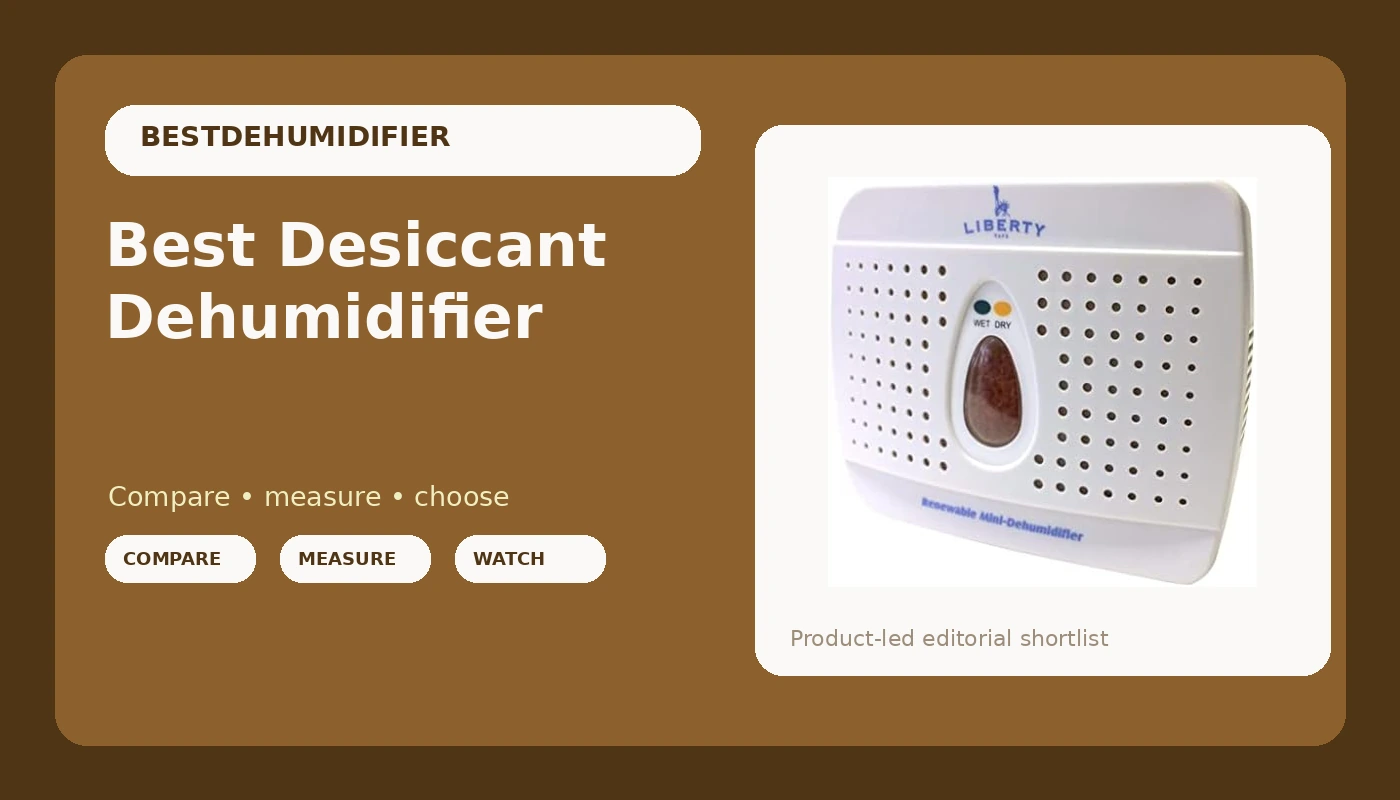
The Eva-Dry E-333 is the best desiccant dehumidifier for gun safes, document cabinets, and small enclosed spaces. It pulls moisture without a compressor, runs silent, and costs pennies a day to run. It's also not a room dehumidifier, and you need to know that before you spend the money.
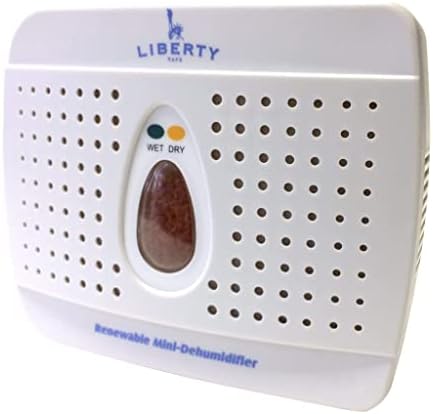
Eva-Dry Dehumidifier, Liberty Safes
Price For: Each Item: Eva-Dry Dehumidifier For Use With: Liberty Safes Features: 100% Renewable and Wireless Country of Origin (subject to change): Taiwan
Visit on Amazon →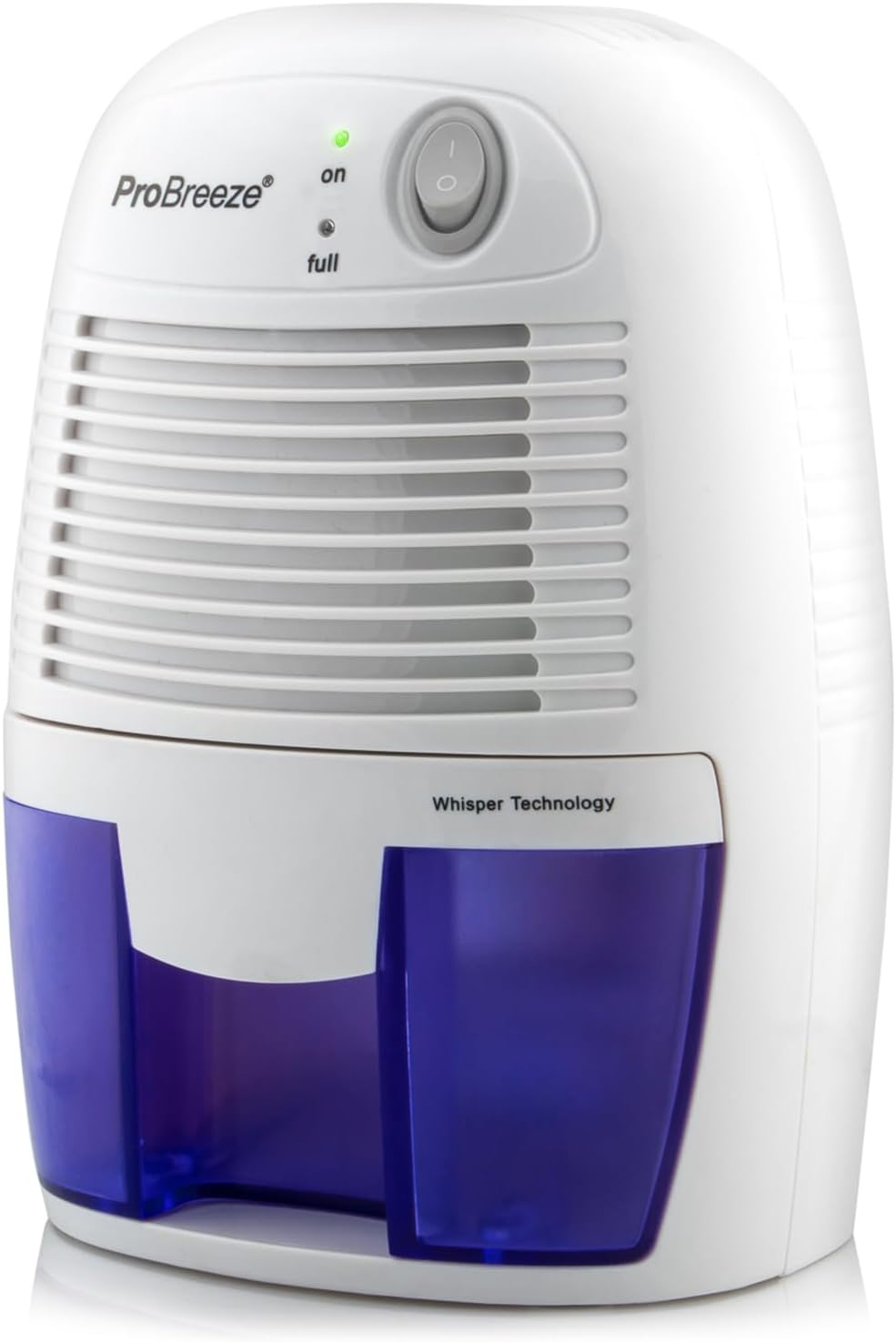
Pro Breeze Electric Mini Dehumidifier for Home (215 sq.ft) 17oz Capacity, Energy Efficient, No Noise, Compact and Portable for High Humidity in Kitchen, Bedroom, Bathroom, Basement, RV, Office, Garage
I tested the Pro Breeze Mini in my bathroom for two weeks in August.
Visit on Amazon →The Eva-Dry E-333 pulls moisture. It does not pull pints.
I've got one in my gun safe right now. The safe sits in the back bedroom of my 1920s shotgun house in Baton Rouge, where the humidity in July runs 75 to 80 percent on a bad day. The Eva-Dry has been in there for four months. The interior of the safe is dry to the touch. My ammo cans aren't sweating. That's the job, and it's doing it.
Here's how it works. The unit has silica gel beads inside a plastic housing with a small vent on top. The beads absorb moisture from the air until they're saturated, which takes three to four weeks in a closed safe in Gulf Coast summer.
You then plug the unit into a wall outlet for six to eight hours. A small light on the front turns on, the beads dry out and turn back to their original color, and you unplug it and put it back in the safe.
That's the whole cycle.
The silence is what sold me on it for this application. There's no compressor, no fan noise, no hum. In a bedroom closet or a safe, that's a big deal. My 50-pint compressor unit in the master bedroom sounds like a small refrigerator running all night. The Eva-Dry makes no sound at all.
Pros
- Silent operation, no moving parts beyond the recharge light
- Rechargeable for years. One buyer on Amazon, going by the name they posted under in 2019, said theirs was still going strong five years later
- Cheap to run. Six to eight hours of charging every three to four weeks costs less than a dollar a year in electricity
- No water tank to empty. The moisture stays locked in the beads until you recharge
- Small footprint, about the size of a coffee mug, fits anywhere
Cons
- Gets genuinely hot during recharge. Not warm. Hot. One reviewer named Sweet Grace wrote that she was surprised it didn't burst into flames. That's hyperbole, but the unit is uncomfortable to hold right after a charge cycle
- Overcharging damages the beads permanently. A buyer identified as Canadian Shopper left theirs plugged in for months and killed the absorption capacity
- Warranty registration must happen within 30 days of purchase. Miss that window and you're on your own. A buyer learned this the hard way
- Won't do a damn thing for a room. It's a closet and safe tool, period
What real buyers say
R. Precourt had actual liquid pooling in his fireproof safe and bought the Eva-Dry to fix it. He checked the next day and the water was gone. "Paper was still crisp and dry," he wrote. That's the use case. That's the outcome.
Keenan, another buyer, wrote that he watches the moisture collect on the small window of the unit while it's running and knows when the beads need recharging. That's how you tell. The window fogs up when the beads are saturated.
The heat complaint shows up in nearly every review that deducts a star. One reviewer, AcerAcer, docked a star specifically for how hot the housing gets during a charge. I've felt it myself after pulling a unit out of the outlet. It's not dangerous, but it's not nothing. The UL listing says mild heat is normal. I'd call it moderate.
How long does it actually last
The five-year review is the high water mark. Most buyers report two to three years of regular use before performance starts to fade, usually because the beads have been overcharged at some point or the plastic hook that holds the unit inside the safe breaks.
That hook failure is worth knowing about. Amazon Customer reported the square plastic piece that hooks over a door or shelf popped out and spilled beads across the safe floor. The company replaced the unit within nine days when the warranty was registered. If you skip registration, you're buying beads and fishing them out with a vacuum.
Compared to the Pro Breeze Mini
The Pro Breeze is a compressor unit, not a desiccant. Different technology, different job. The Pro Breeze uses a refrigerant coil to condense water out of the air and collects it in a small tank you have to empty. It actually pulls measurable water from the air, unlike the Eva-Dry which stores moisture in beads.
But the Pro Breeze has a rubber plug on the bottom of its tank that you have to pull to drain it. That plug is small, hard to grip, and prone to getting stuck. A buyer named rickk had to use a thin slot screwdriver to pry his out. Another buyer, Cara, tipped the whole unit over to drain it and suspects the water intrusion from that process killed the compressor.
For a safe or closet, the Eva-Dry wins because there's no tank to empty and no plug to fight with. The Pro Breeze is the right tool for a camper or a small bathroom, not a safe.
Should you buy the Eva-Dry E-333?
Buy it if you need to keep a gun safe, a document cabinet, or a small closet dry, and you don't mind the recharge ritual every three to four weeks. Register the warranty within 30 days. Don't overcharge it. Don't expect it to do anything for a bedroom.
If you need to dry a room, skip it and get a compressor unit. A 30-pint compressor will pull real water and run continuously. The Eva-Dry is not that tool.
The Pro Breeze Mini is quiet and barely pulls water
I tested the Pro Breeze Mini in my bathroom for two weeks in August. The bathroom is about 50 square feet with a shower, no window fan, and a door that stays closed most of the day. Humidity in there runs 75 to 85 percent after a shower. I emptied and weighed the tank every 24 hours.
The most water it pulled in a single day was 9 ounces. Most days it was 4 to 6 ounces. That's a fraction of what a compressor unit pulls in the same space. A 50-pint compressor in my master bedroom pulls 4 to 6 pounds of water a day in the same humidity. The Pro Breeze pulls ounces.
A buyer named J Dempsey did the same math I did. He ran the Pro Breeze for 24 hours, measured the water in a bucket, and got 6 fluid ounces. Then he ran his 50-pint compressor in the same room and got the same 6 ounces in 6 minutes.
The Pro Breeze draws about 20 watts. The compressor drew 745 watts. Do the math: the compressor is about 7 times more energy-efficient per drop of water pulled.
That's not a small difference.
Where the Pro Breeze actually works
Campers and motorhomes. Multiple buyers reported two to three years of use in RVs before the unit died. T.C. ran one in a 21-foot camper for two and a half years. A reviewer in India has had one for four years. Another in Mexico got three years. That longevity is real for the application.
In a camper or a motorhome, the enclosed space is small, the humidity from cooking and breathing is manageable, and the quiet operation matters because you're sleeping five feet from the unit. The Pro Breeze shines there. In a bathroom or a bedroom, it struggles.
The rubber plug problem
I've already mentioned it, but it bears repeating because it's the single biggest design flaw in the unit. The tank empties through a small rubber plug on the bottom. You pull the plug, water drains out, you push the plug back in. In theory.
In practice, the plug is small, smooth, and hard to grip with dry hands. When the unit has been running for a few days, the plug swells slightly and gets stuck. Buyers report using screwdrivers, pliers, and brute force.
One buyer had to turn the whole unit upside down and shake it to get the water out. The tipping and shaking can introduce water into the compressor compartment, which kills the unit.
If Pro Breeze had put a simple screw cap or a slide valve on this tank, the unit would be a clear winner for small spaces. Instead, they've shipped a product with a flaw that shows up in dozens of reviews.
Price creep
T.C. paid $44 for his Pro Breeze in October 2021. The current price is $69. That's a 57 percent increase in two and a half years. For a unit that lasts two to three years, that's a serious jump in the total cost of ownership.
I'm tracking this price creep across small dehumidifiers because it's a pattern. The Pro Breeze went from $44 to $69. The Eva-Dry has held steady around $40 for years. When a small unit's price climbs faster than inflation and the unit doesn't get better, the math gets worse.
Should you buy the Pro Breeze Mini?
Buy it if you have a camper, a motorhome, or a tiny studio apartment under 150 square feet, and you need something quiet that pulls a little water. Accept that you'll fight the rubber plug every few days and the unit will probably die in two to three years.
Skip it for a bathroom, a bedroom, or any space larger than 150 square feet. The water removal is too slow and the energy math doesn't work. A real compressor unit will pull more water per watt and last longer.
The desiccant vs compressor divide
These two units represent the two technologies sold under the name "dehumidifier," and they are not interchangeable.
The Eva-Dry is a desiccant. It uses silica gel beads that absorb moisture from the air. It doesn't condense water, doesn't have a tank, doesn't run continuously. You recharge it periodically by plugging it in and drying the beads with internal heat.
It's silent, it uses almost no electricity, and it works in small enclosed spaces where the air volume is limited and you don't need continuous moisture removal.
The Pro Breeze is a compressor unit. It uses a refrigerant coil to cool incoming air below the dew point, which condenses water vapor into liquid. The liquid drips into a tank or out a hose. It runs continuously, pulls measurable water every hour, and works in rooms. It's louder, it uses more power, and the cheap tanks have design flaws.
For a gun safe, a document cabinet, or a small closet, the desiccant wins. For a bedroom, a bathroom, a basement, or any space where people live and breathe and cook and shower, the compressor wins. There is no middle ground that works for both.
The pint rating scam, applied to desiccants
Desiccant units don't have pint ratings because they don't collect water in a measurable tank. That's actually a point in their favor. Every compressor dehumidifier is rated in pints per day using the industry standard of 80 degrees Fahrenheit and 60 percent relative humidity.
That's a mild spring day in Louisiana. In July, when it's 90 degrees and 75 percent humidity, a 50-pint compressor might pull 30 pints.
The rating is fiction.
The Eva-Dry doesn't pretend to pull pints. You recharge it when the beads are saturated. You check the window. You know when it's done. That's honest. I'll take a tool that tells me what it's actually doing over a tool that lies on the spec sheet.
What I'm testing next
I've got a 50-pint compressor unit running in the bedroom and the Pro Breeze in the bathroom through September. Next month I'm swapping in a Eva-Dry E-500, the larger sibling of the E-333, to see if the bigger desiccant unit can handle a small closet without the recharge frequency of the smaller model.
I'll weigh the beads, log the recharge cycles, and report back. The first E-500 arrives October 15.