Shopping for the best dehumidifiers for basements usually starts with a pint number and ends with a machine that quits at 2 a.m. on the wettest night of the year. I have spent 18 years as an HVAC technician in New Orleans, and the pattern repeats every summer: someone buys a unit sized for a number the room will never deliver, empties a tank twice a day, and gives up in July with the drywall still soft. This guide is deliberately narrower than most. It compares six units that are on the market right now, from a wireless mini that lives in a closet to an 80 pint machine carrying an Energy Star Most Efficient 2025 designation, and it is organized around the question that actually matters: which kind of room does each one belong in. There is no whole-house HVAC sizing here, and no mold remediation work, just the machines, their published claims, and the decision in front of you.
Related: How to Set Up a Hose Drain for a Basement Dehumidifier
Quick answer
The AEOCKY 5500 Sq.Ft Energy Star Most Efficient 2025 Dehumidifier Max 80Pint/D is the strongest fit for large, open, warm spaces because it carries the highest coverage claim and the highest daily pint rating of the six, along with an Energy Star Most Efficient 2025 designation. Choose the Midea 50 Pint Dehumidifier with Pump, 4,500 Sq. Ft (Renewed) instead when you want a built-in pump to push condensate toward a drain or window, and you are comfortable buying a renewed unit.
Dehumidifiers worth comparing
The six units below split into three clear groups: large-space compressors, small-room compressor units, and mini units meant for closets and enclosed storage. Compare them by the room you actually have, not by the biggest number on the box.
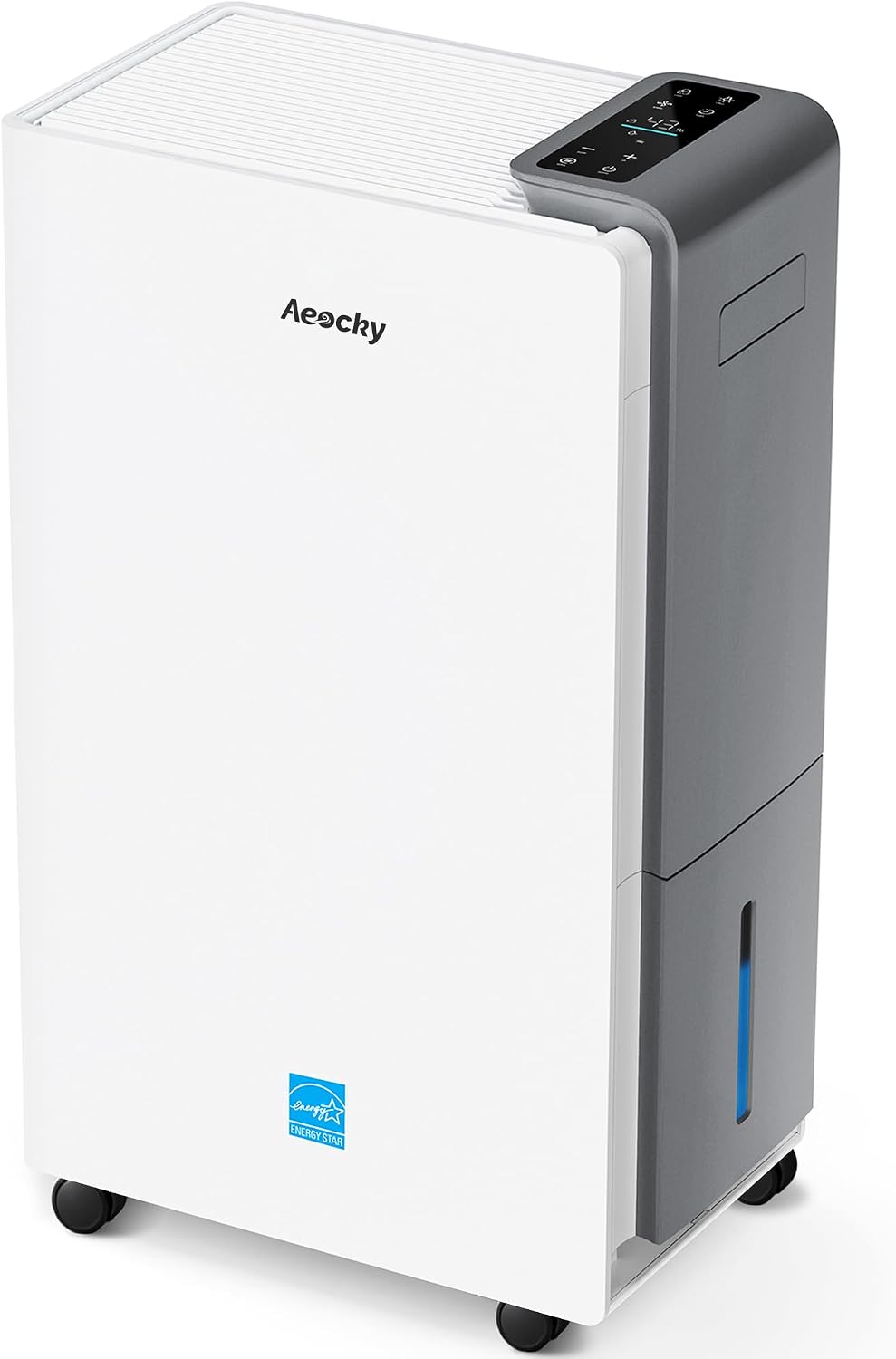
AEOCKY 5500 Sq.Ft Energy Star Most Efficient 2025 Dehumidifier Max 80Pint/D
A large-space unit listed for areas up to 5,500 sq. ft. with a published maximum of 80 pints per day and an Energy Star Most Efficient 2025 designation.
Visit on Amazon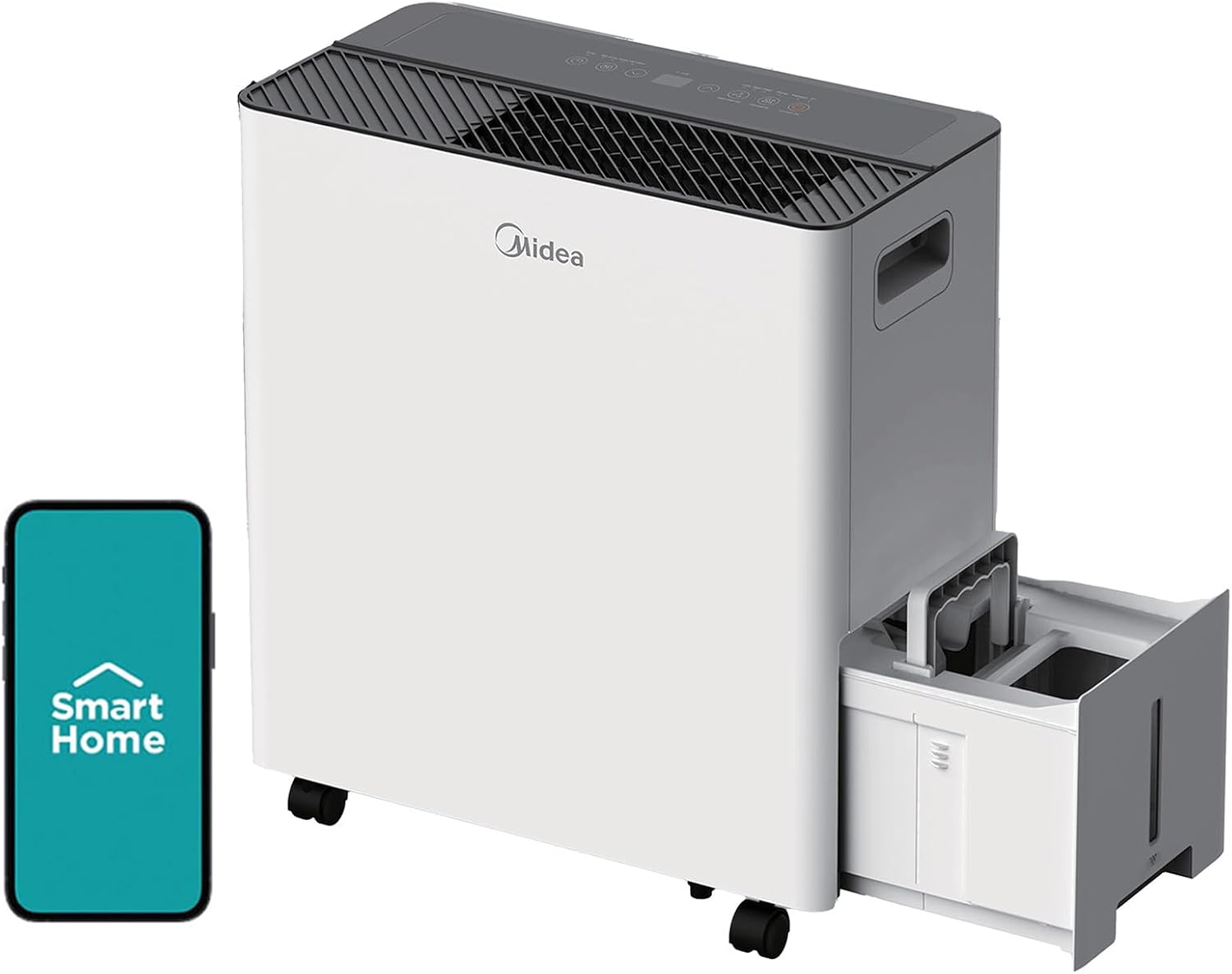
Midea 50 Pint Dehumidifier with Pump, 4,500 Sq. Ft (Renewed)
A renewed 50 pint unit with a built-in pump, listed for coverage up to 4,500 sq. ft. The pump is the feature that separates it from the rest of the group.
Visit on Amazon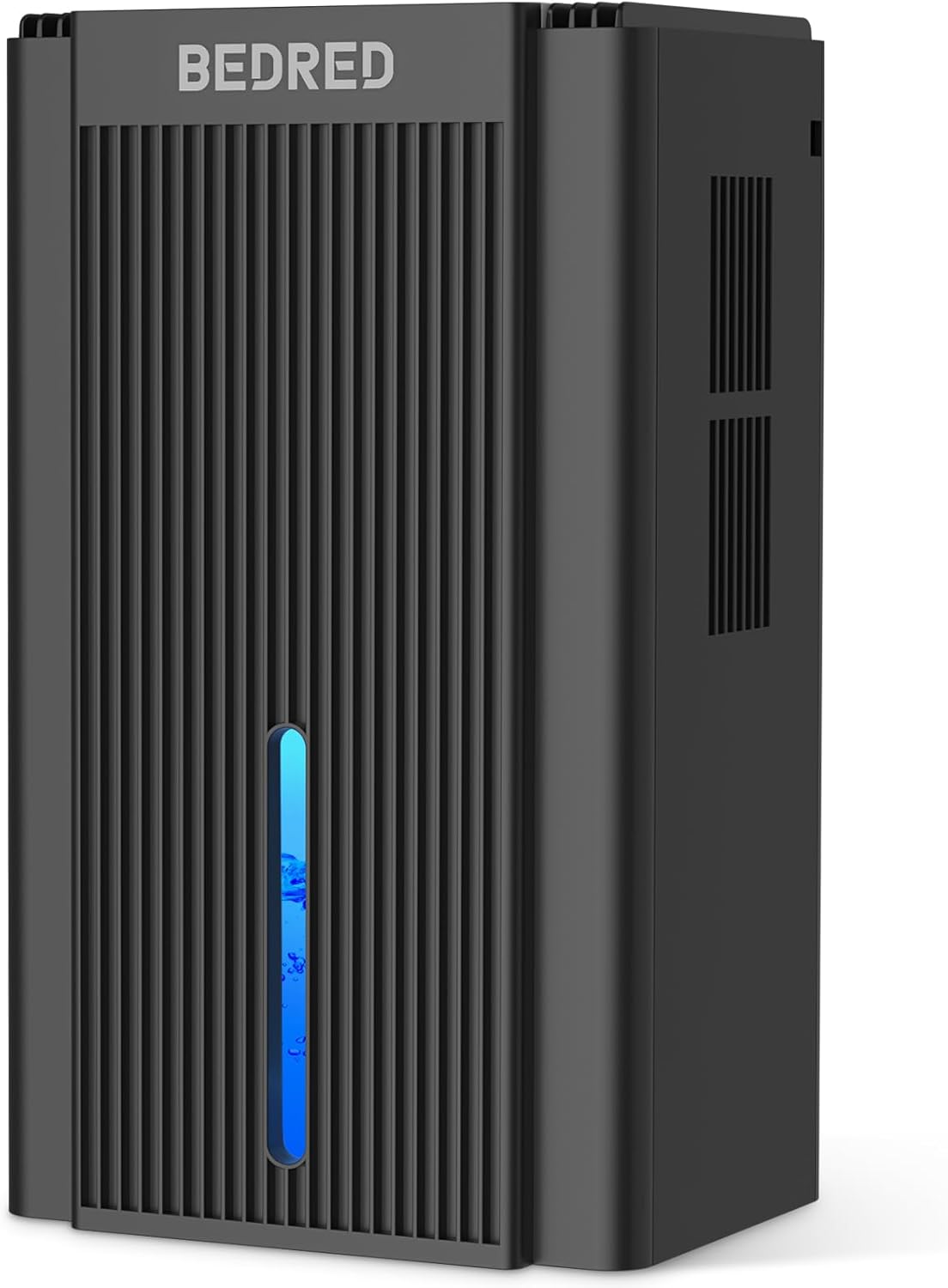
BEDRED Dehumidifier, 95OZ Dehumidifier for Home 1000 sq ft - Quiet with Auto Shut Off & Relaxing 7 Color Ambient Light, Ideal for Livingroom, Bedroom, Basement (Black)
A 95 ounce home dehumidifier listed for spaces up to 1,000 sq. ft., with auto shut off and a seven color ambient light, finished in black.
Visit on Amazon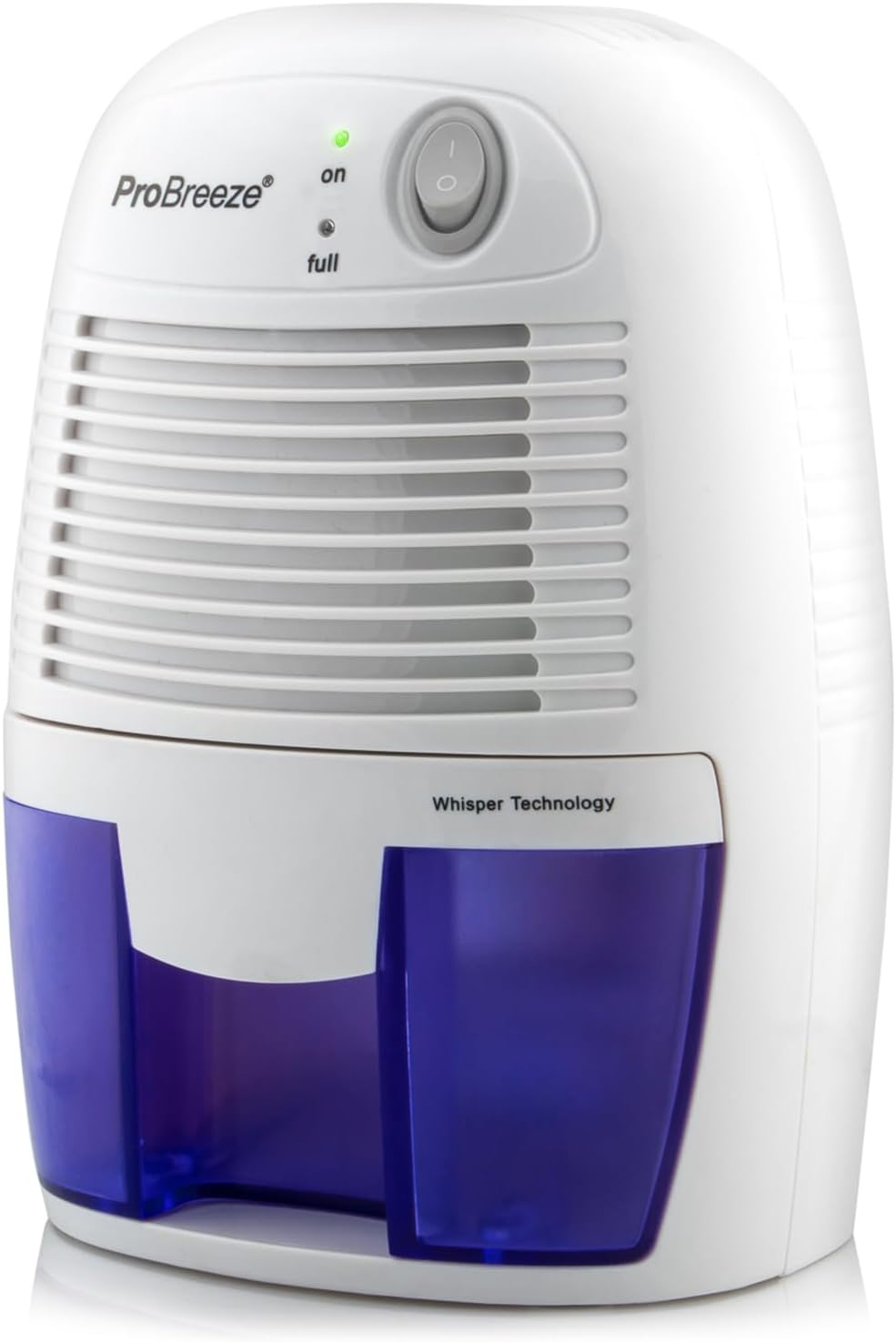
Pro Breeze Electric Mini Dehumidifier for Home (215 sq.ft) 17oz Capacity, Energy Efficient, No Noise, Compact and Portable for High Humidity in Kitchen, Bedroom, Bathroom, Basement, RV, Office, Garage
A compact, portable mini dehumidifier with a 17 ounce capacity, listed for spaces up to 215 sq. ft. and marketed for kitchens, bedrooms, bathrooms, basements, RVs, offices, and garages.
Visit on Amazon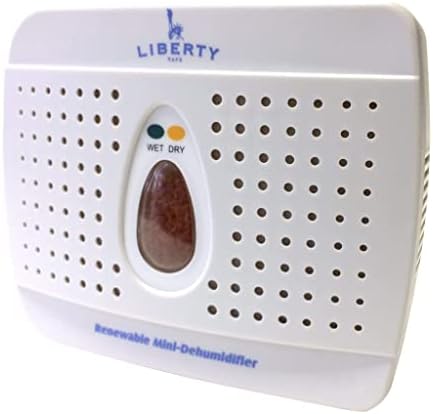
Eva-Dry Dehumidifier, Liberty Safes
A small Eva-Dry unit positioned for enclosed storage such as safes, where a full-size compressor unit has no place to sit and no room to breathe.
Visit on Amazon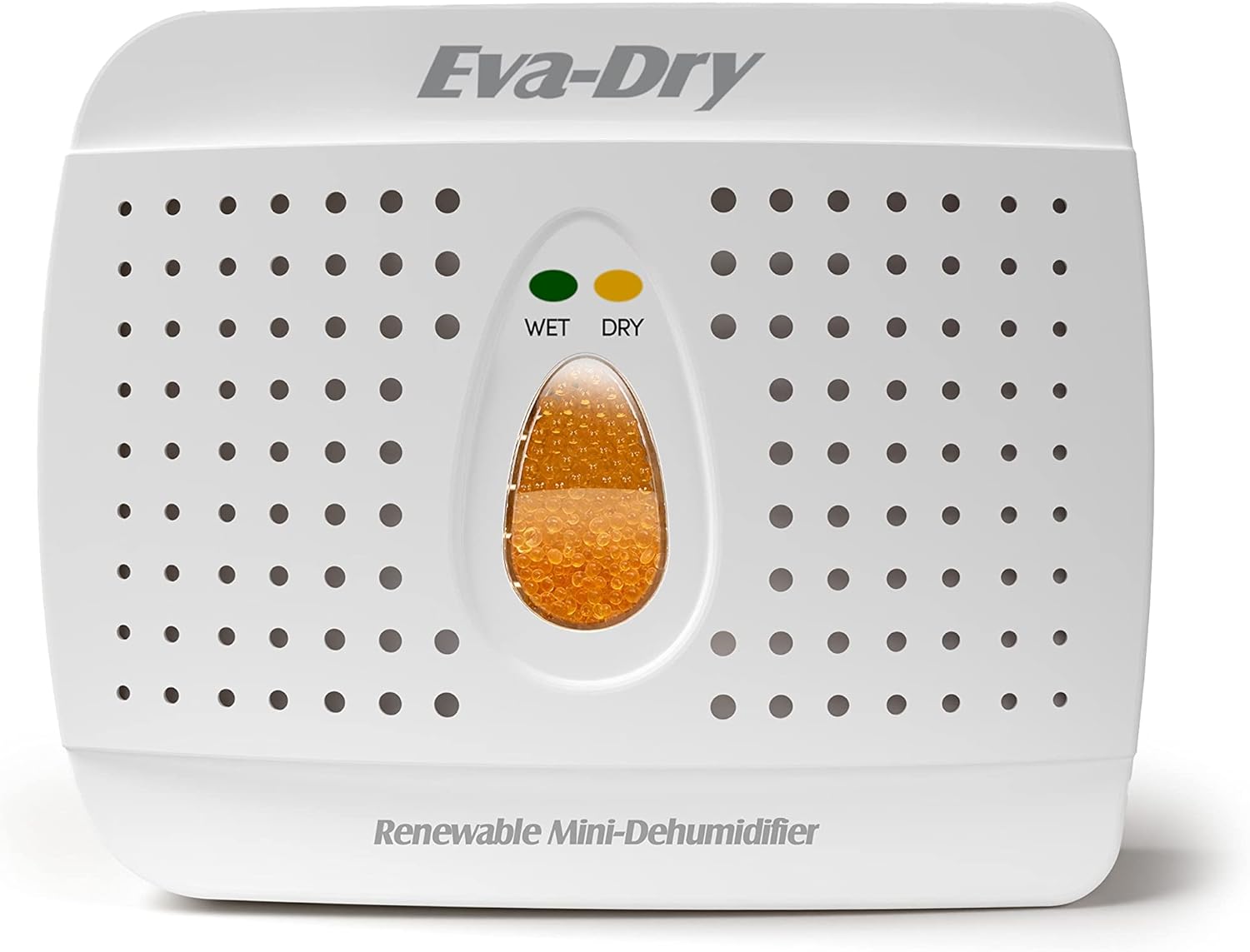
Eva-Dry Wireless Mini Dehumidifier, White (E-333)
A wireless mini dehumidifier in white, sized for small enclosed spaces where routing a cord is impractical and a tank-based unit would be overkill.
Visit on AmazonPrices and availability may change. Check the retailer for current details.
How these products were compared
This guide compares published coverage area, published pints per day, drain method and tank or pump design, form factor and intended room, and efficiency designations where the manufacturer states one. Product names and images are matched to the product on each card, so the picture, the title, and the retailer link all describe the same unit.
Nothing in this article is presented as lab measurement or as a logged week of run time. Every figure that appears is a manufacturer's published claim, and the buying advice is built on how those claims line up against different rooms and different drain situations. Use the link on each card to confirm current price, availability, and return terms before you buy.
How to choose the right dehumidifier
Start with two numbers: the square footage of the space, closed off from the rest of the house, and how cold that space gets. The six units here range from a 215 sq. ft. mini to a 5,500 sq. ft. machine, and the gap between those two is not a marketing trick, it is a difference in compressor size, airflow, and how much water the unit can shed before it has to stop.
Temperature matters as much as size, and almost nobody talks about it. Compressor dehumidifiers, which is what most of this group is, do their best work in warm air. In a sealed crawlspace or an unheated basement that sits in the 50s, a compressor unit's output falls off and the coil can frost. Desiccant units handle cold rooms better, which is why the cold-climate crowd keeps asking for them. If your damp problem is a Louisiana summer, a compressor is right. If it is a Michigan basement in February, think harder about the type before you think about the capacity.
Then decide how the water leaves the machine. A tank is fine for a bedroom or a small office, where you can empty it at a convenient time. A tank is a bad plan for a basement or a whole floor, because the unit shuts down the moment the tank fills, and the tank fills fastest exactly when you need the machine most. That is the argument for a hose drain, and it is why the built-in pump on the Midea unit is worth calling out separately. A pump lets you push condensate upward and sideways to a utility sink, a floor drain, or out a window, instead of relying on gravity and a downhill path that your basement may not have.
Finally, be honest about noise and placement. A unit that keeps you awake in a bedroom gets unplugged, and an unplugged dehumidifier does nothing. A unit that sits in the middle of a doorway gets moved, and then it stops being a dehumidifier and starts being a piece of furniture. Pick the room first, then pick the machine that fits that room's noise tolerance, drain path, and clearance. If you are setting up a drain line, the walkthrough in our hose drain setup guide covers the parts and the slope.
AEOCKY 5500 Sq.Ft Energy Star Most Efficient 2025 Dehumidifier Max 80Pint/D
This is the only unit in the group that is aimed at a whole floor. It is listed for spaces up to 5,500 sq. ft. with a published maximum of 80 pints per day, and it carries an Energy Star Most Efficient 2025 designation, which is the kind of rating that speaks to power draw rather than raw capacity. If you have an open basement, a finished lower level, or a first floor that stays sticky from May through September, this is the one to look at first.
The trade-off is scale. A unit built for 5,500 sq. ft. is larger, heavier, and more expensive than anything else here, and its capacity is wasted in a single 150 sq. ft. bedroom with the door closed. It also expects you to take the drain seriously. A machine pulling this much water produces a lot of condensate, and the practical setup for it is a hose to a floor drain or a pump accessory, not a daily trip with a tank. If your space is one room and not a floor, the money is better spent lower in this list.
Alternatives to consider
The Midea 50 Pint Dehumidifier with Pump, 4,500 Sq. Ft (Renewed) is better suited to anyone who wants continuous drainage handled by the unit itself, since the built-in pump gives you drainage options that gravity alone does not. It covers a large area, and it is offered as a renewed unit, which is worth weighing carefully against the warranty and return terms shown at the retailer. The BEDRED Dehumidifier, 95OZ Dehumidifier for Home 1000 sq ft is a stronger fit when the room is a living room or bedroom where the unit stays visible: it is listed for up to 1,000 sq. ft., has auto shut off, and includes a seven color ambient light.
The Pro Breeze Electric Mini Dehumidifier for Home (215 sq.ft) 17oz Capacity covers the small, awkward spaces, a bathroom, a laundry corner, an RV, or a garage bay, where a full-size unit is simply too much machine. The two Eva-Dry units, the Eva-Dry Dehumidifier, Liberty Safes and the Eva-Dry Wireless Mini Dehumidifier, White (E-333), cover the enclosed-storage end of the problem: safes, closets, cabinets, and similar sealed volumes that a compressor unit can never reach. They will not dry a basement, and they are not meant to. They keep a small, closed box from turning into a damp box.
Day-to-day use and maintenance
The single most important habit is keeping the air moving through the machine. Filters and intake grilles load up with dust and lint, and a clogged intake turns a capable unit into a weak one. Check the filter on the schedule the manufacturer gives you, rinse or replace it as instructed, and do not run the unit pressed flat against a wall or shoved into a corner with no clearance.
Second habit: manage the water before it manages you. If you are running a tank, empty it before it fills rather than after, because a unit that shuts off on a full tank is a unit that stopped working hours ago. If you are running a hose, confirm the line runs downhill the whole way, or use a pump, and check the connection at the unit for drips every so often. A slow leak under a dehumidifier is how a small water problem becomes a flooring problem.
Third habit: measure the room, not the display. A humidistat built into a dehumidifier reads the air right at the machine, which is often the warmest and driest spot in the room. Keep a separate hygrometer across the space and set the target from that reading. If the humidity climbs again within a day of the unit shutting off, the size is wrong or the room is not as sealed as it looks. Door gaps, open crawlspace vents, and unsealed rim joists will undo a correctly sized dehumidifier every time.
Finally, give the machine a break when the season ends. Drain the tank, dry the interior, and store the unit where it will not sit in standing water. A dehumidifier stored damp comes out of storage smelling like the problem it was bought to solve. For units that run on a power cord, follow the manufacturer's care instructions for the cord, the plug, and any internal components rather than improvising.
Buying checklist
- Measure the square footage of the actual closed-off space, not the whole house.
- Note the normal temperature of that space, since compressor units and cold rooms do not mix well.
- Choose the drain method first: tank for a bedroom, hose or pump for a basement or a floor.
- Confirm the unit you are buying includes the specific features you need, such as auto shut off or a built-in pump.
- Read the cleaning, filter, and maintenance instructions before the first run.
- Verify the current retailer price, availability, warranty, and return terms, especially on renewed units.
Final recommendation
Choose the AEOCKY 5500 Sq.Ft Energy Star Most Efficient 2025 Dehumidifier Max 80Pint/D when you are drying a large, warm, open space and you can give it a real drain path. Choose the Midea 50 Pint Dehumidifier with Pump, 4,500 Sq. Ft (Renewed) when built-in pump drainage matters more to you than buying new, and choose the BEDRED Dehumidifier, 95OZ Dehumidifier for Home 1000 sq ft when the unit will live in a living room or bedroom and has to look and sound like it belongs there. For a single damp bathroom, RV, or garage bay, the Pro Breeze Electric Mini Dehumidifier for Home (215 sq.ft) 17oz Capacity is the sensible size, and for safes and closets, the two Eva-Dry models handle a job that no compressor unit can. Match the machine to the room, plan the drain before the first wet night, and confirm the current details at the retailer before you commit.