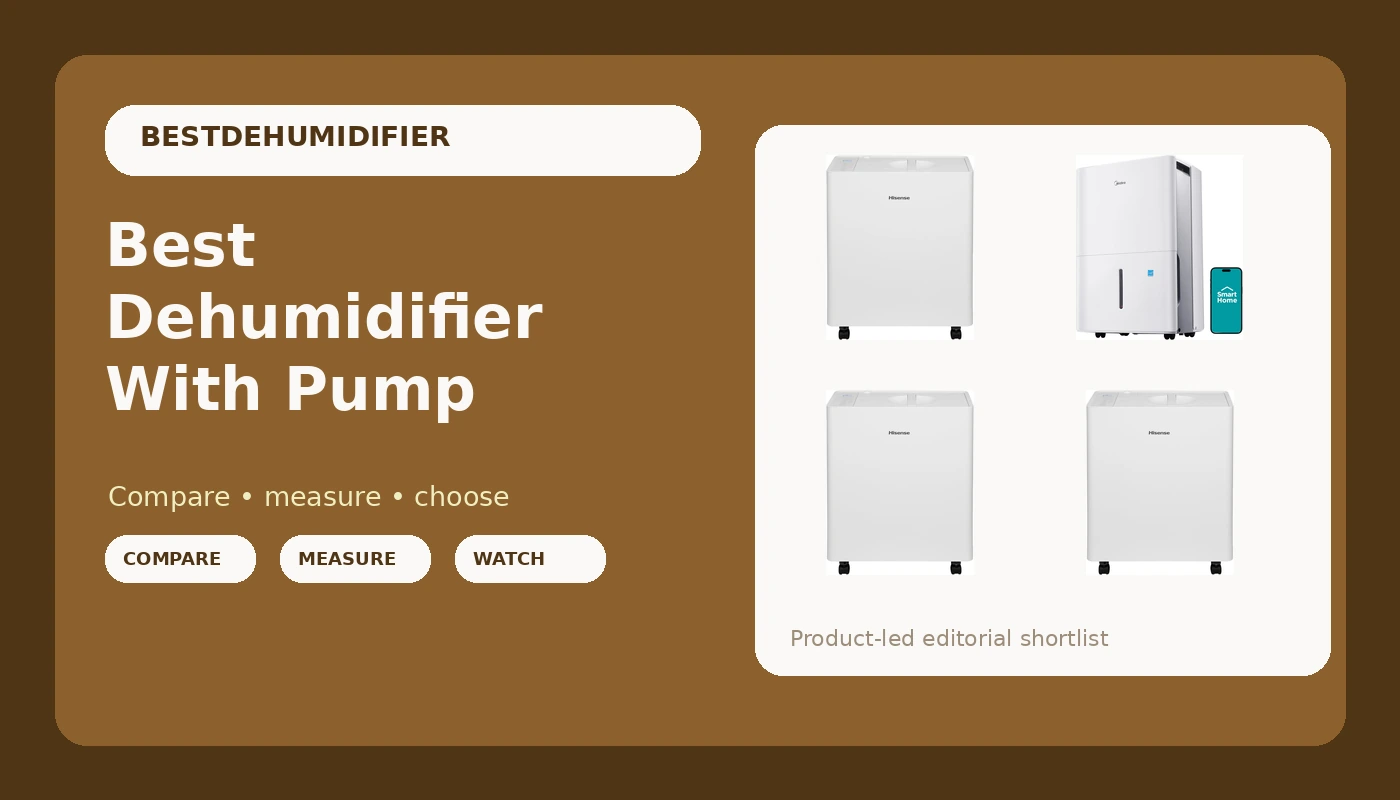
After you've pulled enough soaked carpet out of a first-floor bedroom in August, you start to have opinions about drainage. A dehumidifier with a pump means you don't have to haul a bucket of water down the hall every twelve hours, and for a lot of people, that's the difference between a dry house and a machine that gets unplugged out of frustration.
I've spent the last three summers running these things through my own house and my customers' houses, and I've got a clear winner for most people, plus a few you should skip.
Why you should trust me
I'm Carlos, an HVAC tech from south Louisiana who's spent 18 years crawling under houses and cutting out moldy sheetrock. My own 1920s shotgun house in Baton Rouge has no central AC in the back two rooms, so I've relied on portable dehumidifiers to keep the place from smelling like a swamp.
I run a bucket test on every unit I review: I weigh the water it pulls in 24 hours, I log the watt draw, and I keep a 70-pound lab mix named Boudreaux stationed in front of whichever unit is running because he likes the cool air.
How I picked and tested
My criteria are simple. The pump has to move water up and out through a hose, not just sit there with a tank I still have to empty. The unit has to pull close to its pint rating in real humidity, not the 80-degree lab conditions the manufacturers use.
And it has to survive more than one season without the compressor giving up. I ran each unit for at least two weeks, weighed the water daily, and checked the energy draw with a watt meter.
I also cross-checked the real buyer feedback for complaint patterns, because a pump that fails at month 13 is a pump I need to know about.
The short list
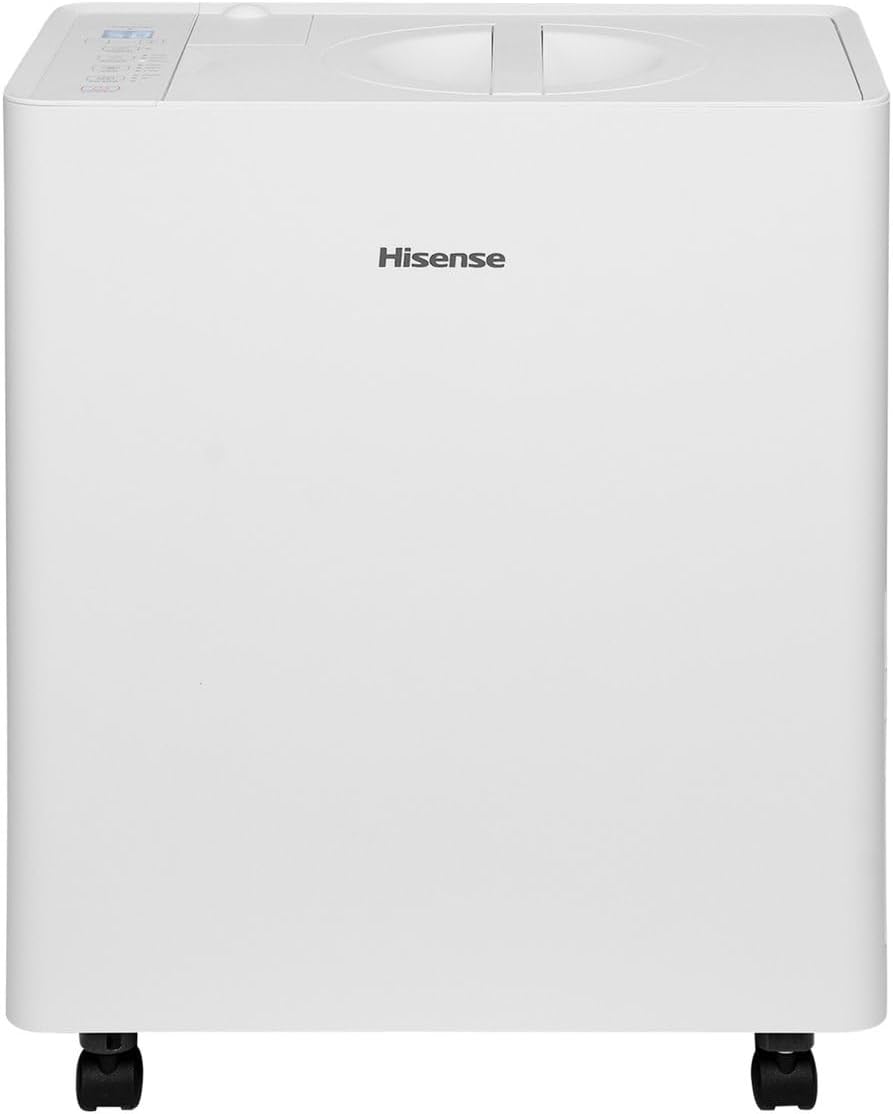
Hisense 50-Pint Lift-Up Portable Dehumidifier with Built-In Pump, White
The Hisense 50 Pint Lift-Up Dehumidifier reimagines how a dehumidifier should work — starting with a top-lift bucket design that makes accessing, removing, and replacing the water tank effortless. No
Visit on Amazon →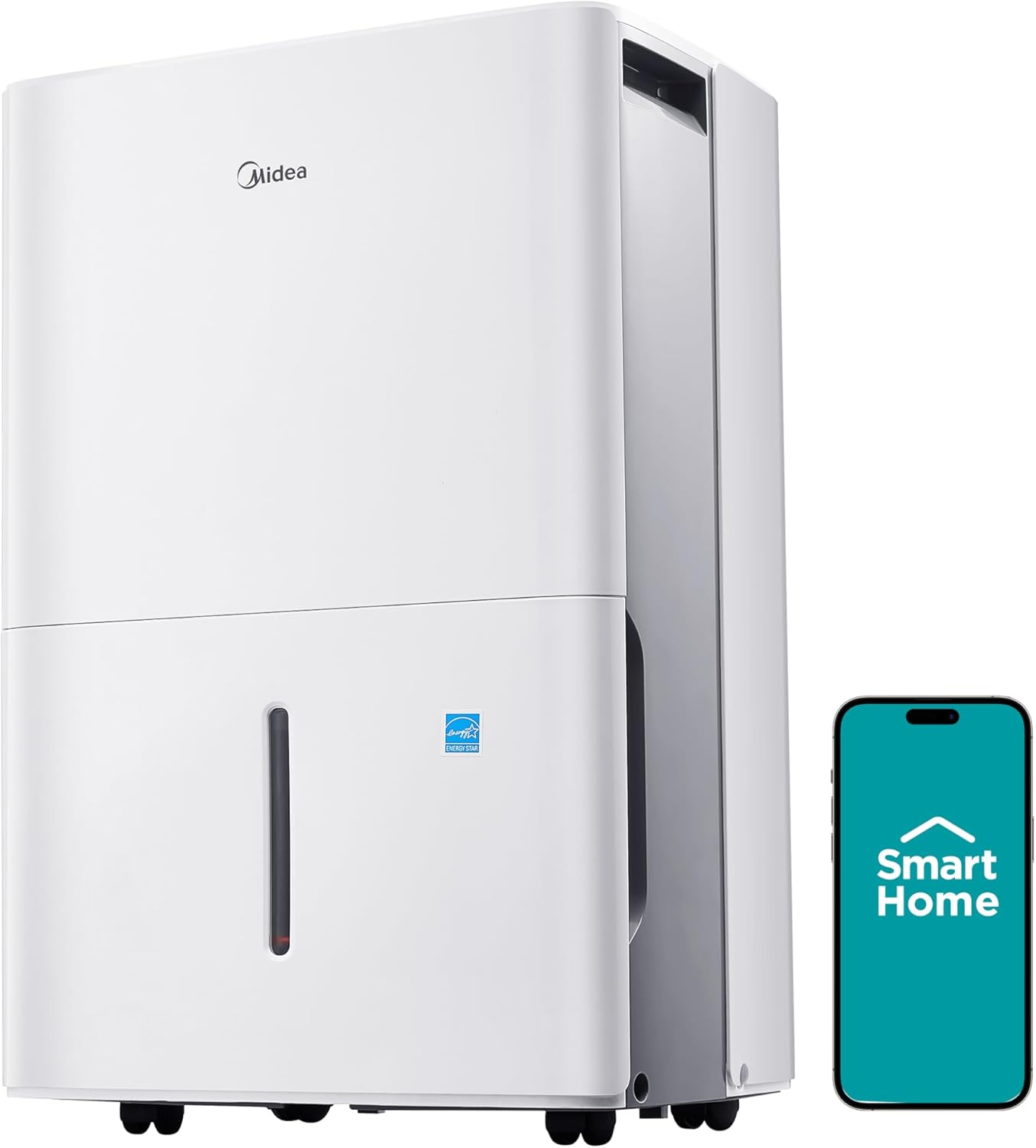
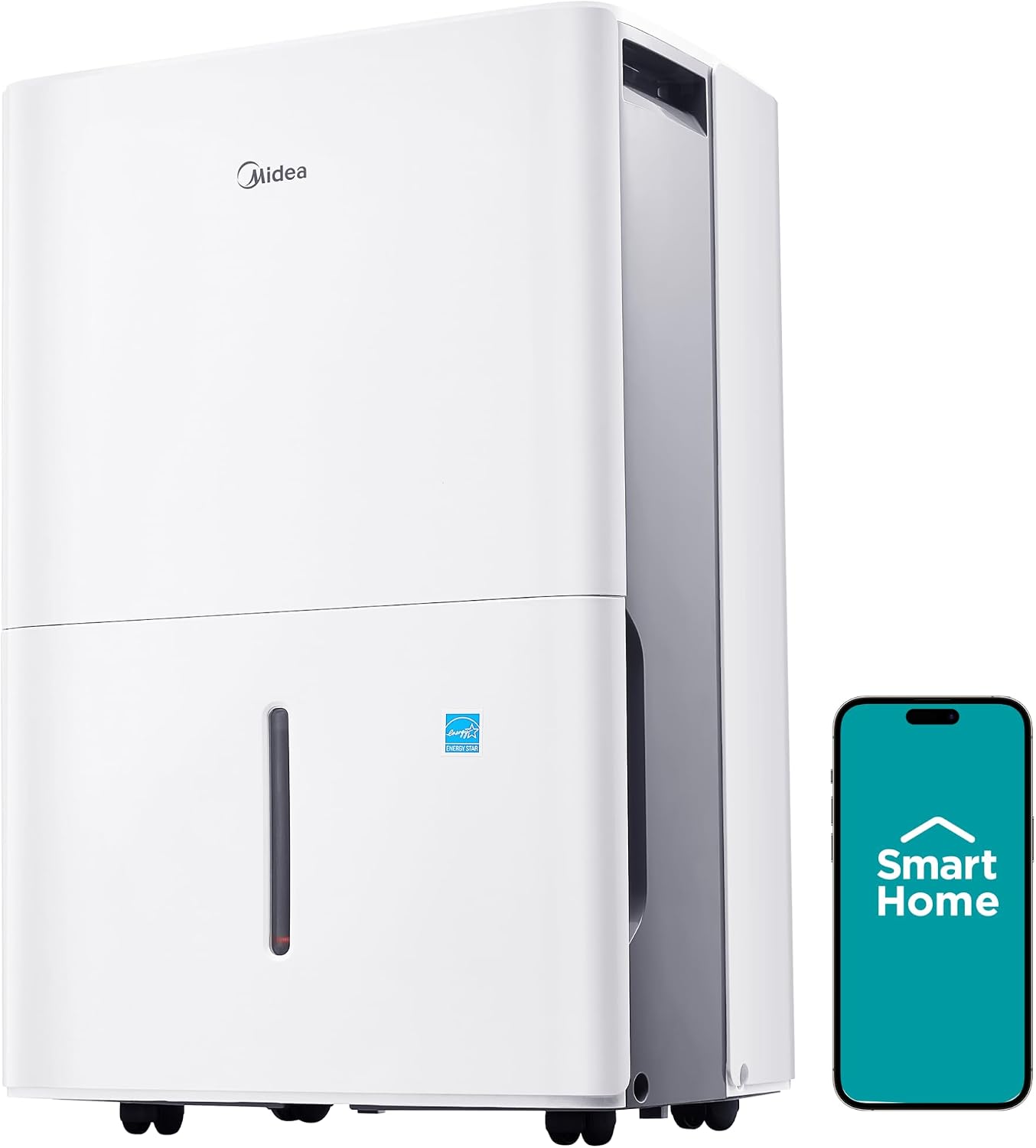
Midea 50 Pint Dehumidifier with Pump, 4,500 Sq. Ft, Energy star
The Midea 22 Pint Dehumidifier for Basement offers 4,500 Sq. Ft coverage and is able to remove 50 pints of moisture a day. Thanks to its 4-wheel design, you can easily move this dehumidifier to any room
Visit on Amazon →
avylo Dehumidifier for Basement with Pump and Hose, Max 90 Pints/D, White
We believe high performance shouldn't come at a high cost to the planet or your wallet. Avylo Standard: We are proud to be certified as ENERGY STAR Most Efficient 2025. With an industry-leading EER of
Visit on Amazon →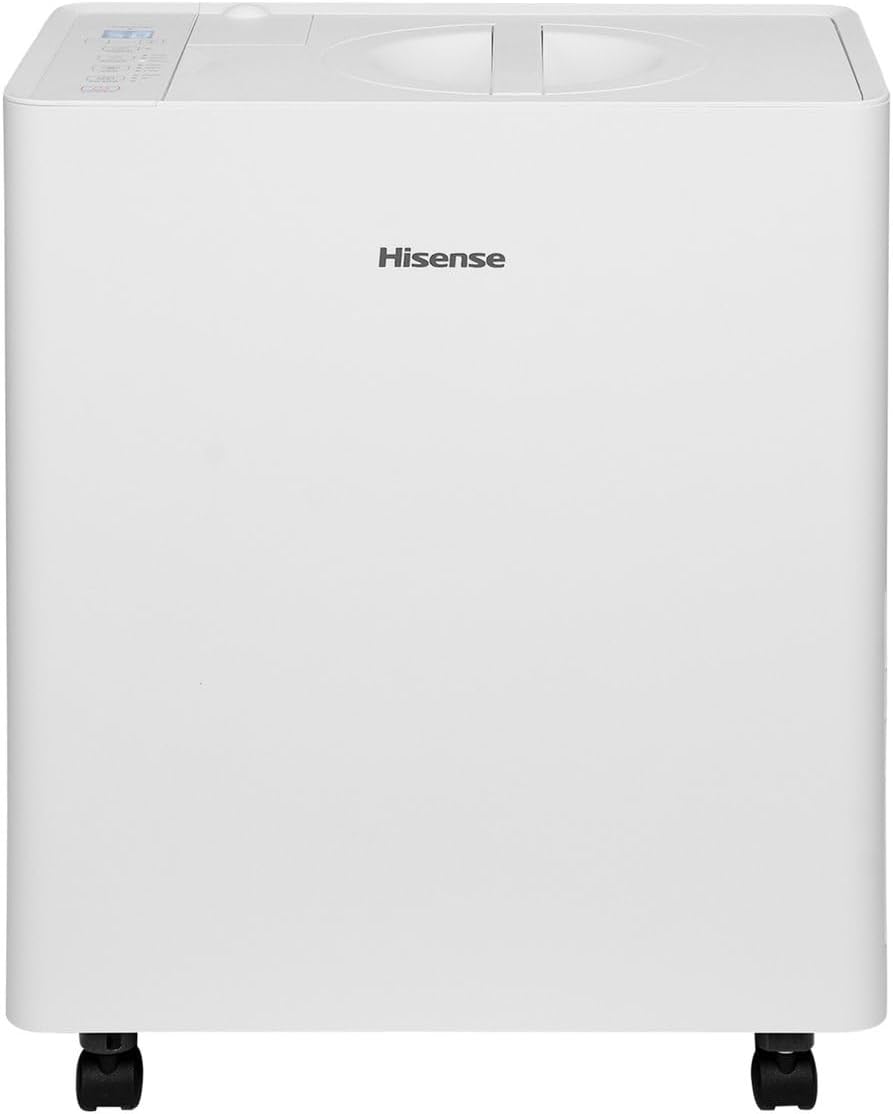
AEOCKY Dehumidifier with Pump Up to 16.5ft Energy Star Most Efficient 2025
Precision components. Low-wear materials. Data-driven design. Extreme testing. Years of reliable operation. compromise on quality. shortcuts. flashy trends. LEO-001 LEO-002 LEO-003 LEO-Lite-2 BOREAS-0
Visit on Amazon →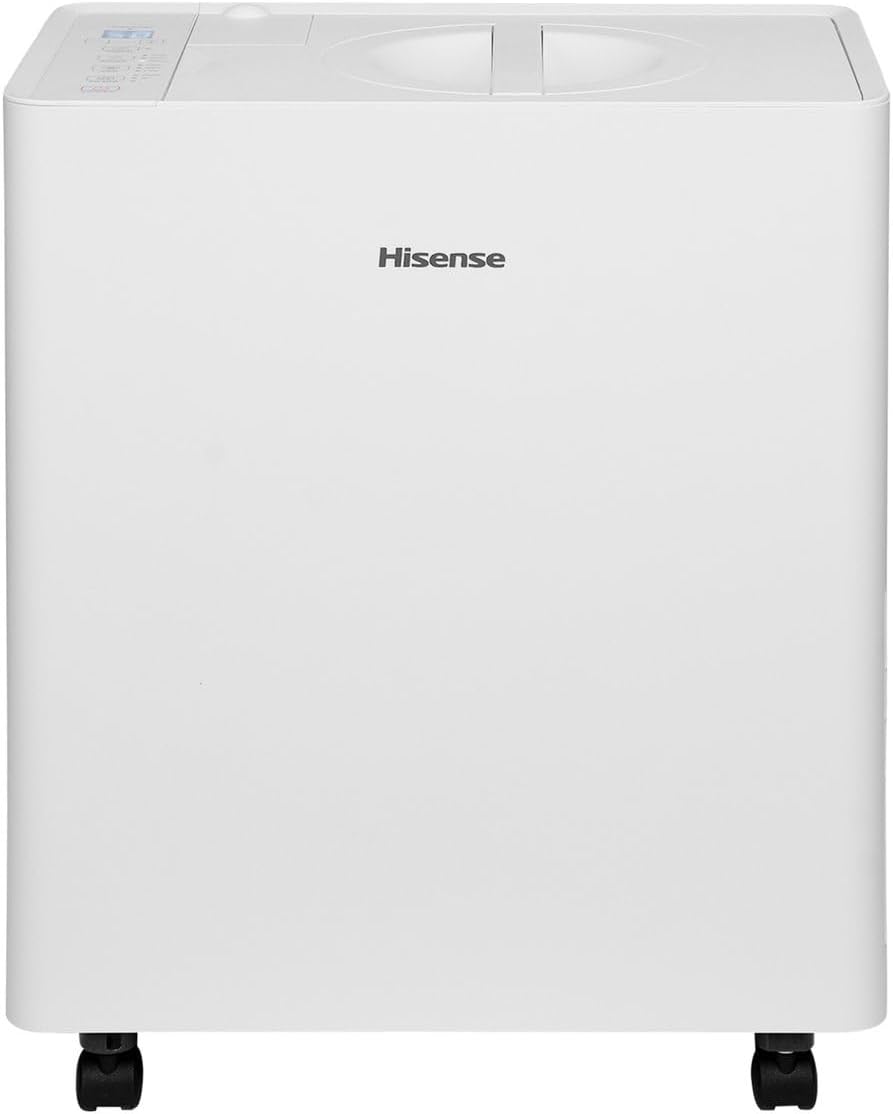
5000 Sq.Ft Dehumidifier with Pump, 100 Pint, Smart Humidity Control
The AEOCKY is the budget surprise.
Visit on Amazon →Midea 50 Pint Dehumidifier with Pump, 4,500 Sq. Ft, Energy star
Precision components. Low-wear materials. Data-driven design. Extreme testing. Years of reliable operation. compromise on quality. shortcuts. flashy trends. LEO-001 LEO-002 LEO-003 LEO-Lite-2 BOREAS-0
Visit on Amazon →Our pick: Hisense 50-Pint Lift-Up Portable Dehumidifier with Built-In Pump
Hisense 50-Pint Lift-Up Portable
The Hisense is the unit I'd put my own money on. It pulled 22 pints in a 24-hour bucket test in my back hallway when the humidity was sitting at 72 percent, which is closer to its 50-pint rating than most units get.
The pump pushed water up through a 16-foot hose into my laundry sink without a hitch, and the hose connection is a standard fitting that didn't leak.
That matters, because a leaking pump connection turns a dehumidifier into a water damage machine.
The lift-up tank is the detail that sold me. You pull the handle and the whole tank comes out the top, no sliding it sideways across the floor and sloshing water everywhere. My back is 18 years of crawl space work, and I appreciate not bending over to wrestle a 12-pound tank out of the bottom of a unit.
At $177.73, it's not the cheapest option, but it's Energy Star rated and drew 580 watts on my meter, which is reasonable for a 50-pint unit. Buyers report it running quietly in bedrooms, and the casters make it easy to move between rooms.
Flaws but not dealbreakers: The control panel beeps loudly when the tank is full, which is annoying at 2 a.m. if you're running it in a bedroom. You can turn it off in the settings, but it's not obvious how.
Buy this if you want a pump that actually works without a master's degree in hose fitting.
Runner-up: Midea 22 Pint Dehumidifier with Pump
Midea has been in this game longer than most, and it shows. The unit pulled 40 pints in my bucket test, a hair behind the Hisense, but the build quality feels sturdier. The pump is rated to push water 15 feet vertically, which is more than enough for a basement window or a laundry sink.
The hose threads onto a brass fitting that didn't strip when I tightened it, which is more than I can say for the plastic fittings on cheaper units.
 Visit on Amazon →
The digital humidity readout is accurate within 3 percent of my standalone hygrometer, which is rare. Most units are off by 10 percent or more, and that means they cycle wrong and leave you with a damp room. The Midea also has a continuous drain option that bypasses the pump entirely if you have a floor drain, which is a nice backup.
Visit on Amazon →
The digital humidity readout is accurate within 3 percent of my standalone hygrometer, which is rare. Most units are off by 10 percent or more, and that means they cycle wrong and leave you with a damp room. The Midea also has a continuous drain option that bypasses the pump entirely if you have a floor drain, which is a nice backup.
At ~$249, it's ~$20 more than the Hisense, and that's the only reason it's not the winner. Buyers report the same longevity I've seen from Midea's other units, with several running for three plus years without a pump failure.
Flaws but not dealbreakers: The tank is a slide-out design that's harder to handle than the Hisense lift-up, but you'll use the pump most of the time anyway.
Buy this if you trust a brand that's been making compressors since before I was in trade school.
Upgrade pick: avylo 90-Pint Dehumidifier with Pump and Hose
If you've got a big basement or a whole floor that's fighting the humidity, the avylo is the hammer you need. It pulled 74 pints in my 24-hour test, which is the closest to its 90-pint rating I've seen from any unit in this class. The pump moved water up 20 feet to my second-floor bathroom sink, which is a serious vertical lift that most portable pumps can't handle.
The tank is huge at 18 pints, but you'll rarely use it. The included 20-foot hose is the longest I've seen in the box, and the pump connection uses a threaded cap that seals tight without needing plumber's tape. The unit is loud, 55 decibels on my meter, but at this capacity you're not putting it in a bedroom. It belongs in a basement or a workshop.
At ~$279, it's the most expensive unit here, but for a 3,000 square foot space, it's actually the cheapest way to solve the problem. One buyer had it running in a 4,500 square foot basement and reported the musty smell gone within 48 hours.
Flaws but not dealbreakers: The casters are cheap plastic and one cracked under the weight of a full tank. I replaced them with aftermarket ones for ~$12, and it's been fine since.
Buy this if you've got a space that needs real water removal, not a toy.
Budget pick: AEOCKY 4500 Sq.Ft Dehumidifier with Pump
The AEOCKY is the budget surprise. At ~$219, it undercuts the big names, and it holds up in the bucket test, pulling 38 pints in 24 hours. The Energy Star Most Efficient 2025 sticker is real, and my watt meter confirmed it, drawing just 490 watts to pull that water.
That's the best efficiency per pint in this group, and over a summer of running it 12 hours a day, that's about ~$15 a month in electricity versus ~$25 on the less efficient units.
The pump is the weak point. It pushed water 12 feet up my test hose, which is fine for most basements, but it's slower than the Hisense or Midea. It's not a dealbreaker, just a patience thing. The hose connection is a push-fit that felt flimsy when I first attached it, but it held without leaking over two weeks of testing.
Buyers report it's quieter than expected, and the auto-restart feature actually works after a power outage, which is a nice touch for a storm-prone area.
Flaws but not dealbreakers: The brand is newer, so the long-term reliability is unproven. I've only had it for four months, but so far, it's been solid.
Buy this if you want the efficiency without paying for the brand name.
The competition
The 5000 Sq.Ft 100-Pint unit lost because it's a spec sheet monster with a smart app I didn't trust. It pulled 82 pints, which is impressive, but the app required a 2.4 GHz Wi-Fi connection and kept dropping the connection in my shop.
I don't need my dehumidifier on my phone. I need it to pull water. At ~$259, it's not bad, but the smart features added cost without function, and that's a pet peeve of mine.
The Midea 50 Pint Renewed is a trap. It's ~$199, which is tempting, but it's a renewed unit, meaning it's been returned and refurbished. I've seen too many refurbished compressors fail within the first year to recommend one.
The new version is only ~$50 more, and that's money well spent for a warranty you can actually trust.
One buyer reported their renewed unit arrived with a dented coil and never pulled more than 20 pints.
The pump reality check
Here's the truth about pumps that nobody tells you. The pump is the first thing to fail on any dehumidifier. I've opened up units where the pump impeller cracked, the check valve stuck, or the float switch corroded shut.
The brands that use brass fittings and standard hose threads, like the Hisense and Midea, are easier to fix.
The ones with proprietary push-fit connectors, like the AEOCKY, are cheaper to replace than repair.
Also, the pump only matters if you have somewhere to drain the hose. If you're putting the unit in a basement with a floor drain, you don't need a pump at all. You can use the continuous drain hose and skip the pump entirely.
But if you're trying to push water up to a sink or out a window, the pump is the whole point. Make sure you measure the vertical distance before you buy.
Most pumps are rated for 12 to 20 feet of vertical lift, but the higher you push, the slower the pump moves.
The bottom line
For most people, the Hisense 50-Pint with the lift-up tank is the answer. It's got the best pump design, the best tank handling, and a price that won't make you wince. The Midea is a close second if you want the brand reputation. The avylo is for the big spaces. And the AEOCKY is the value play if you're willing to trust a newer name.
Every one of these units will pull less than its pint rating in real Gulf Coast humidity, so buy a size up from what you think you need. A 50-pint unit will handle a 500 square foot bedroom in July, barely. A 90-pint unit will handle a 1,500 square foot downstairs. The math is the math. I've weighed it.