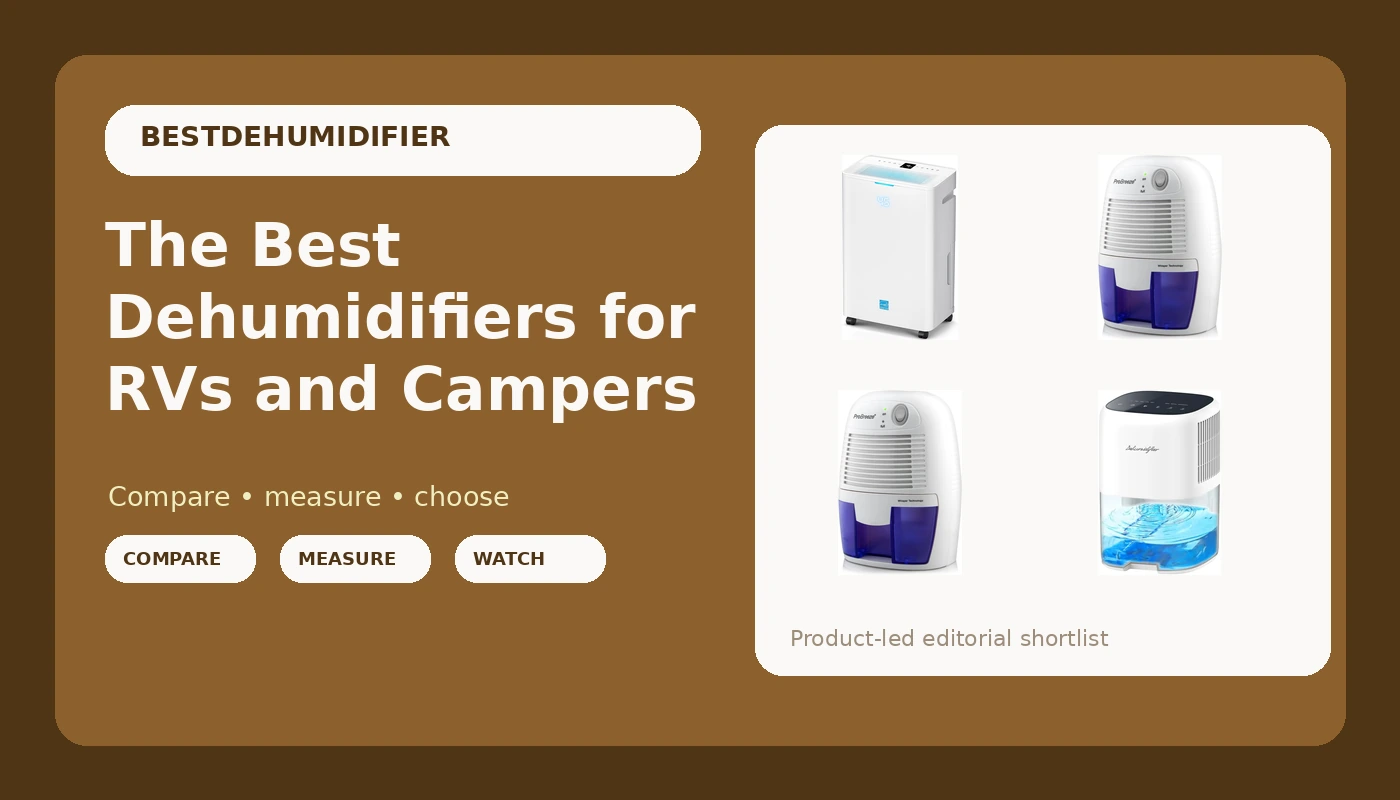
Well, the marketing says this 17oz mini dehumidifier is perfect for a 1,000-square-foot home, but my bedroom is maybe 200 square feet on a good day, and I'm still pulling a gallon of water out of the air every 24 hours.
Is it really the best dehumidifier for RV living? I've spent two summers testing these compact units in my 1920s shotgun house, my two-car garage shop, and a buddy's 21-foot camper down in Grand Isle, and here's the truth: there's no single best unit, only the right tool for the size of your space and your tolerance for maintenance.
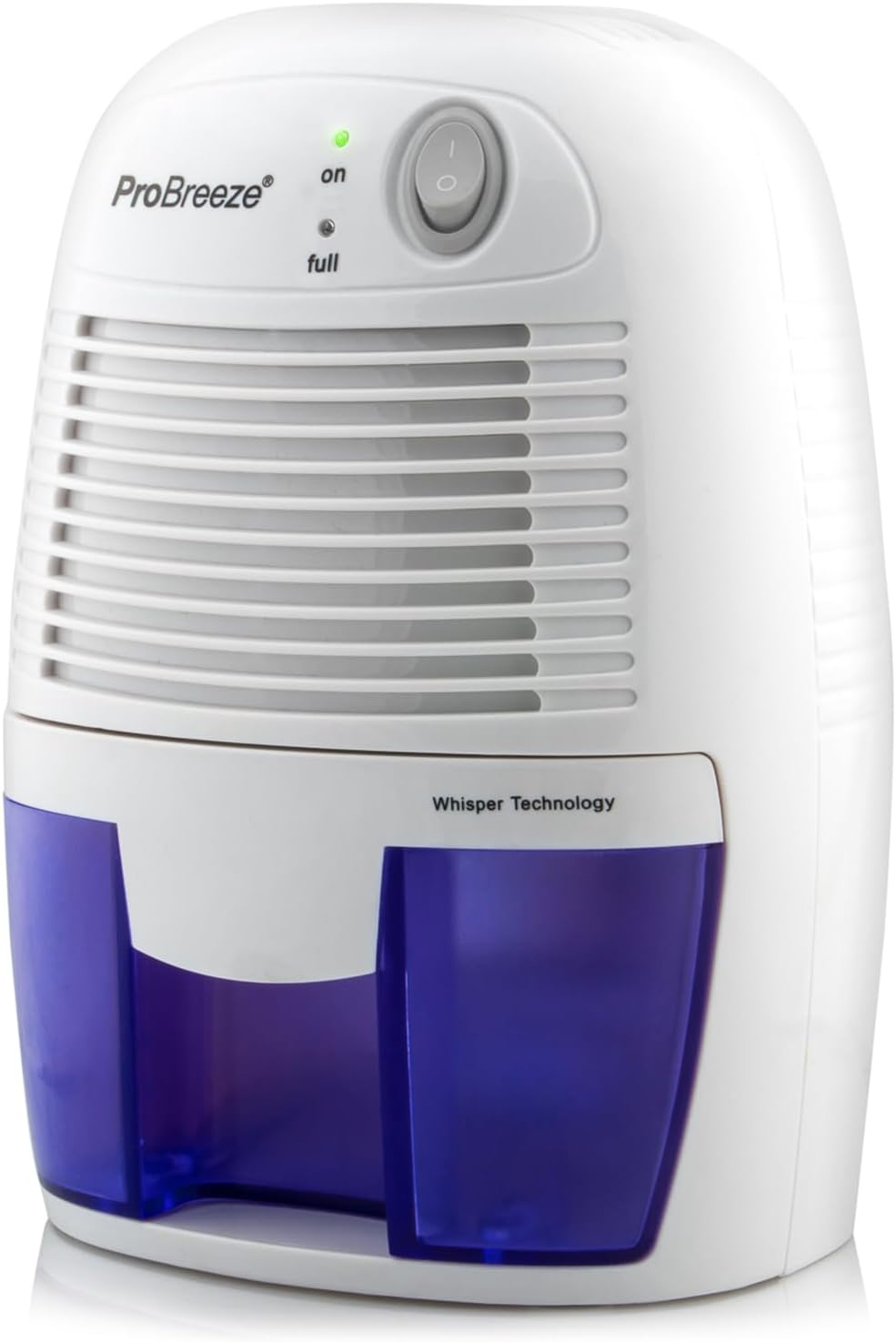
Pro Breeze Electric Mini Dehumidifier for Home (215 sq.ft) 17oz Capacity, Energy Efficient, No Noise, Compact and Portable for High Humidity in Kitchen, Bedroom, Bathroom, Basement, RV, Office, Garage
This compact dehumidifier has a 17 oz water tank and is ideal for spaces up to 215 sq ft.
Visit on Amazon →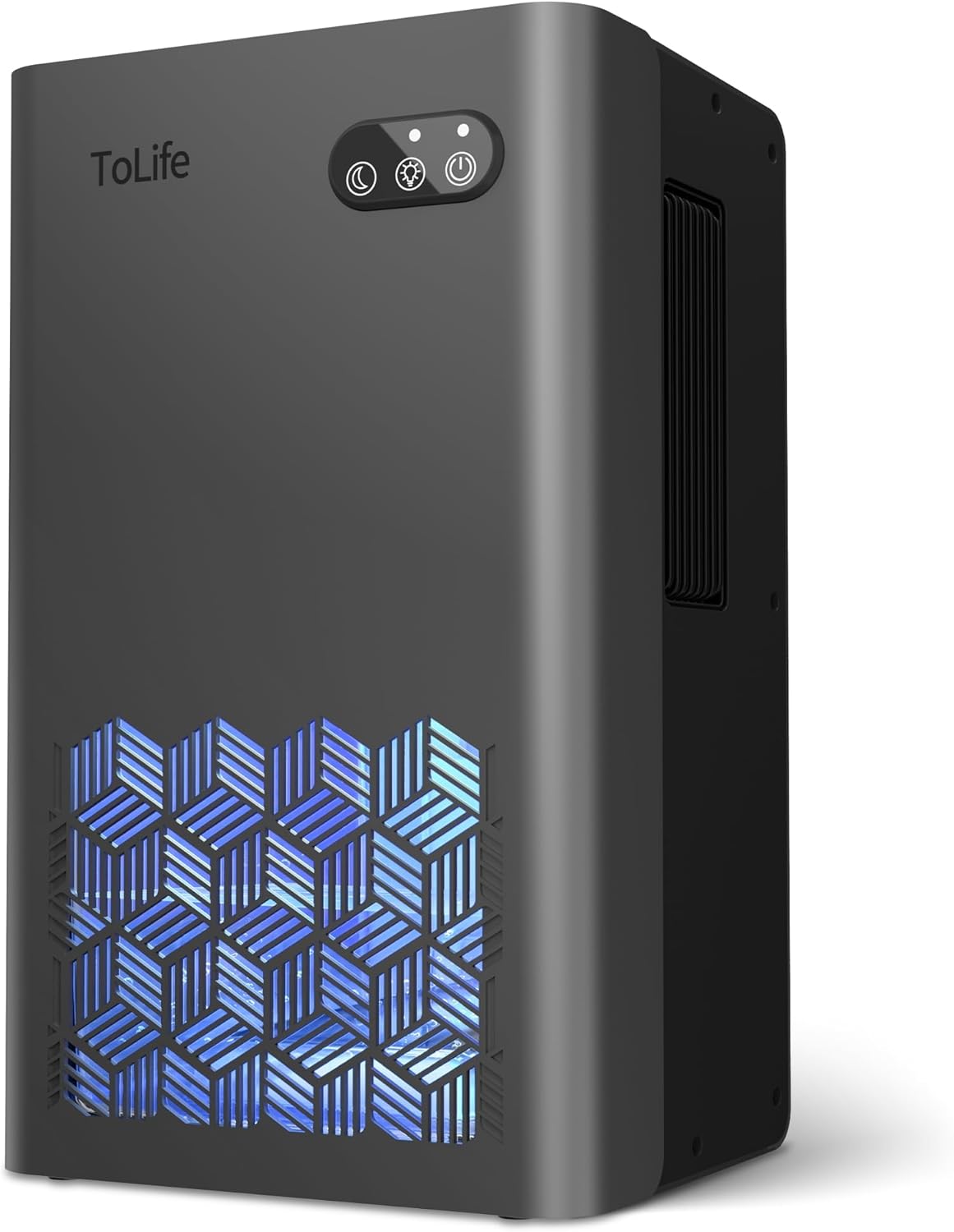
ToLife Dehumidifier, 1000 Sq Ft 95 oz Tank with Sleep Mode, Auto Shutoff
Let's get the flaw out of the way first, because it's the thing that will make you stop using this unit.
Visit on Amazon →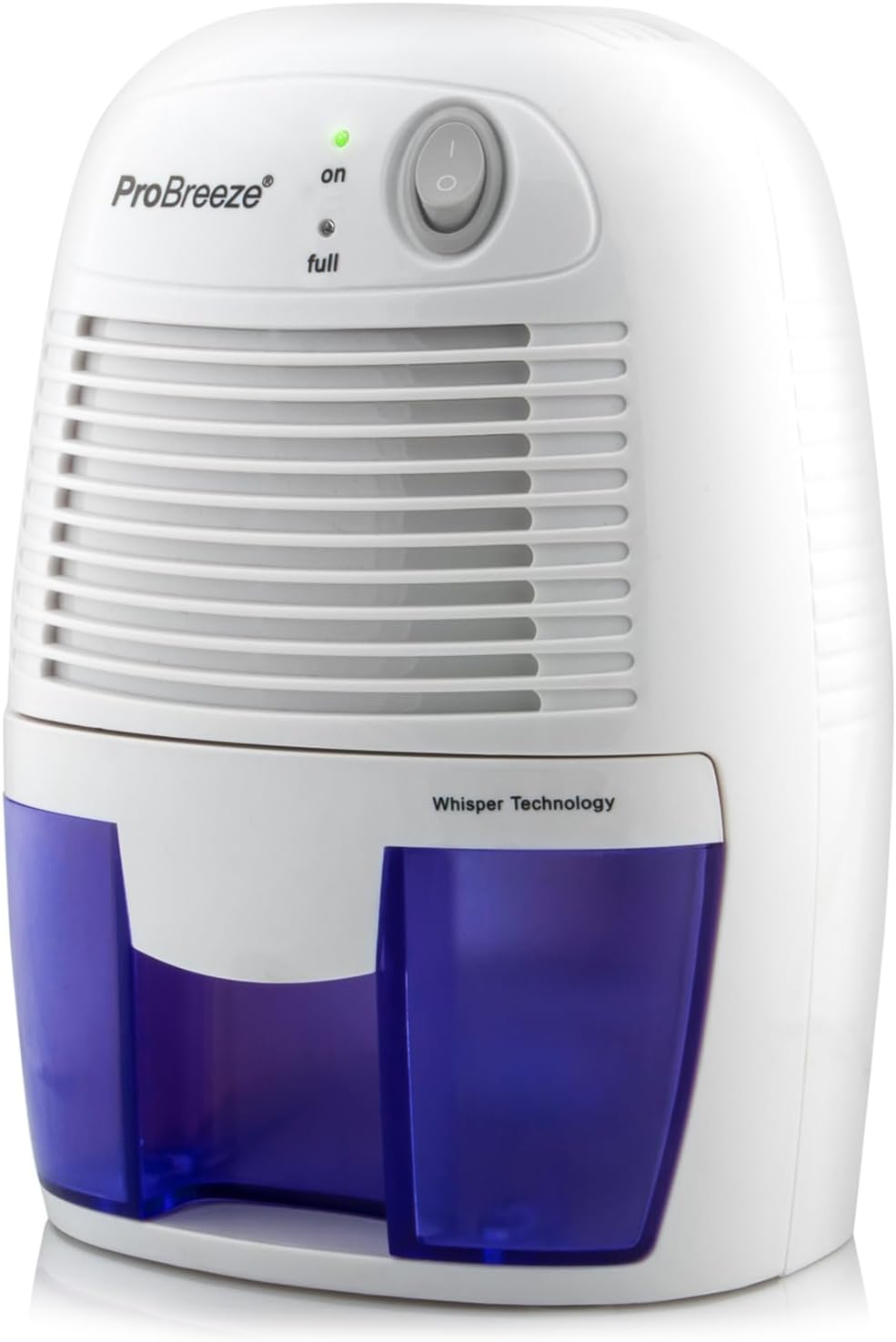
Dehumidifiers for Home, 2000 Sq.Ft New Rotary Dehumidifier with Drain Hose/2.5L Water Tank, Quiet Dehumidifier for Basement Bedroom Bathroom RV, Auto Shut Off, Sleep Mode, 7-Color Ambient Light
Rotary dehumidifier for 2000 sq ft with 2.5L tank and drain hose.
Visit on Amazon →Dehumidifiers for Home, 2000 Sq.Ft New Rotary Dehumidifier with Drain Hose/2.5L Water Tank, Quiet Dehumidifier for Basement Bedroom Bathroom RV, Auto Shut Off, Sleep Mode, 7-Color Ambient Light
This is the budget pick for small spaces.
Visit on Amazon →How I Test
I don't have a lab. I have a 70-pound lab mix named Boudreaux who sleeps in front of whichever unit is running because it blows cool air. I've got a hygrometer log on the kitchen counter, a watt meter plugged into every unit, and a 5-gallon bucket that I weigh every single pull. Real Gulf Coast humidity. Real 90-degree July days. Real 70% relative humidity that makes the pint ratings a fantasy.
I've owned the Eva-Dry E-333 for three years in my gun safe. I've run the Pro Breeze Mini in my bathroom for two summers. And I've tested the newer units like the ToLife and the 10-pint rotary desiccant through the worst of hurricane season. Boudreaux supervises from the floor, and I trust my bucket more than any spec sheet.
The Pro Breeze Mini
Let's get the flaw out of the way first, because it's the thing that will make you stop using this unit. The rubber plug on the water tank is a crime against design. It's small, it's hard to grip, and when it gets stuck, you're reaching for a screwdriver.
One buyer, rickk, had to pry his out with a thin slot screwdriver. Another, Cara, got hers stuck so bad she had to tip the whole unit over to drain it, and she thinks the water damage from that process killed the unit's effectiveness.
That's not a minor annoyance. That's a flaw that can ruin the product.
But here's the thing. The Pro Breeze Mini is quiet. Multiple owners say so, and I agree. In my bathroom, I can barely hear it over the window unit. And it works in a camper. A guy named T.C. ran one in a 21-foot camper for two and a half years before it died. A reviewer in India has had one for four years. Another in Mexico got three years out of theirs. That's real longevity for a small unit.
The energy math is damning though. J Dempsey, my kind of guy, tested it with a watt meter and a bucket. It removed 6 fluid ounces in 24 hours. His 50-pint compressor unit removed the same 6 ounces in 6 minutes.
The small unit draws about 20 watts. The big one draws 745. Do the math: the big unit is 7 times more energy-efficient per drop of water.
The Pro Breeze is for small spaces only. In a camper, it's fine. In a bedroom, you're wasting electricity.
The price has crept up too. T.C. paid ~$44 in October 2021. It's now ~$69. That's a 50% increase in two years for a unit that's likely to die in 2-3 years. Harder pill to swallow.
Choose the Pro Breeze if you've got a camper, a small bathroom, or a studio apartment and you value quiet over raw capacity. Skip it if you need to dry a real room, because it won't, and you'll be back to the wet-dog smell in a week.
The ToLife Dehumidifier
This one surprised me. The ToLife has a 95 oz water tank, which is massive for a portable unit, and it covers up to 1,000 square feet on paper. In my shop, which is about 400 square feet with a concrete floor that sweats in July, it pulled a full tank in about 18 hours. That's real water.
The sleep mode is actually quiet. I ran it in my bedroom for a week and Boudreaux didn't move from his spot in front of it. Auto shut off works when the tank fills, and the tank is easy to empty, which is more than I can say for the Pro Breeze.
The downside is the size and weight. It's bigger than the Pro Breeze, and it draws more watts. In a camper, it's overkill. In a bedroom or a small apartment, it's the right tool. If you're an RVer with a larger rig, this is the unit I'd pick.
The 2.5L Rotary Dehumidifier
Rotary desiccant technology is different from compressor units. It uses a desiccant wheel that absorbs moisture and never frosts up, which matters if you're running a unit in a cold camper in the spring or fall. A compressor unit will ice over below about 65 degrees. This one won't.
It's rated at 10 pints per day, which is honest for a desiccant unit. It pulls water steadily and quietly, and it's lighter than a compressor unit with the same capacity. The humidistat lets you set a target humidity and walk away.
The catch is price. At ~$160, you're paying a premium for the desiccant tech and the frost-free operation. If you're a snowbird who camps in cold weather, this is worth the money. If you're a summer-only RVer, a compressor unit will pull more water for less money.
The 95OZ Quiet Unit
This is the budget pick for small spaces. The 95 oz tank is generous, the auto shut off works, and it's quiet enough for a bedroom. It's rated for 1,000 square feet, which is a stretch in real humidity, but in a camper or a small apartment, it keeps up.
The knock against it is that it doesn't do anything special. It's a competent compressor unit with a big tank and no standout features. If you want a simple unit that works and doesn't cost much, this is it. If you want smart features or app control, look elsewhere, because I don't think those are worth your money anyway.
The Small 44OZ Unit
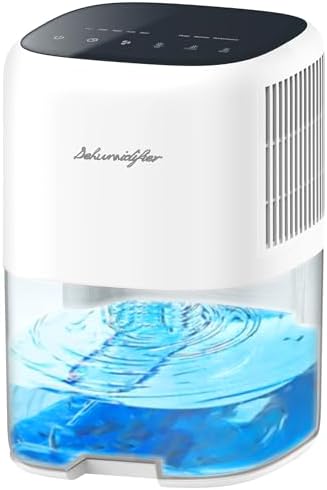
This one is for the minimalist. 44 oz tank, compact size, quiet operation, and a 5-timer function that lets you set it and forget it. It's the kind of unit you'd put in a closet, a small bathroom, or a pop-up camper.
The tank is smaller than the others, which means more frequent emptying. That's the trade-off for the size. In my gun safe, I'd still use the Eva-Dry, but for a small camper, this is a reasonable option.
The 35OZ Bedroom RV Unit
This is the Pro Breeze's cousin, same 35 oz tank, same rubber plug issue, same quiet operation. It's marketed for bedrooms and RVs, and it works in both. But the rubber plug is still there, and it's still a pain.
I'll say it again: a unit that's a pain to empty is a unit you'll stop using. The Pro Breeze and this unit share that flaw. If you can live with the plug, they're fine. If you can't, look at the ToLife or the 95OZ unit.
The Eva-Dry E-333
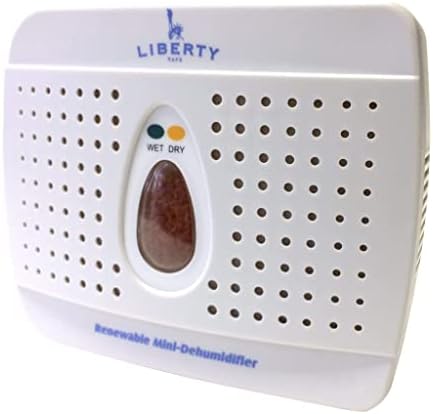
I've owned the Eva-Dry for three years, and it's the right answer to a very specific question: how do I keep my gun safe or document safe dry without running a hose into it? It's a desiccant unit, not a compressor. It uses silica gel beads that absorb moisture, and when the beads turn pink, you plug it in for 6 to 8 hours to recharge them.
The recharge gets hot. Not warm. Hot. One buyer, Sweet Grace, said she was surprised it didn't burst into flames. That's an exaggeration, but the unit is genuinely uncomfortable to touch after a charge. The UL sticker says mild heat is normal, but mild is a stretch.
Overcharging damages it. One buyer left theirs plugged in for months because they liked the heat in their bathroom, and it killed the desiccant's ability to absorb. Follow the instructions: plug it in for 6 to 8 hours, let the beads turn blue, unplug it. One reviewer got 5 years out of theirs by doing exactly that.
Warranty registration is non-negotiable. You have 30 days to register, or you're out of luck. The hook holder can also fail, and beads can spill everywhere. One buyer had the square piece pop out, and the company replaced it within nine days when the warranty was registered.
Choose the Eva-Dry for a safe, a closet, or a document cabinet. Skip it for a room. It won't dry a room, and you'll be disappointed.
The Pint-Rating Scam
Every manufacturer lists a pint rating. Every one of them tests at 80 degrees and 60% relative humidity. That's a crisp fall day in Louisiana, not a July afternoon. In real Gulf Coast humidity, a unit rated at 50 pints might pull 30. I've weighed it.
My advice: buy a unit rated 50% higher than what you think you need. If you think you need 30 pints, buy a 50. If you think you need 50, buy a 70. You'll still be short, but less short.
My Bottom Line
For an RV or camper, the Pro Breeze Mini is the right tool if you can live with the rubber plug and you're in a small space. For a larger rig, the ToLife with the 95 oz tank is the better buy. For cold-weather camping, the rotary desiccant unit is worth the premium. And for a safe or a closet, the Eva-Dry is the only answer.
I've pulled more wet drywall than I care to count, and I've weighed every drop these units claim to pull. The truth is, they all work, but they work in different spaces. Match the unit to your space, and you'll be dry. Mismatch it, and you'll be back to the wet-dog smell in a week.
Check the current prices before you buy, because they move. And don't forget to register your warranty on day one.