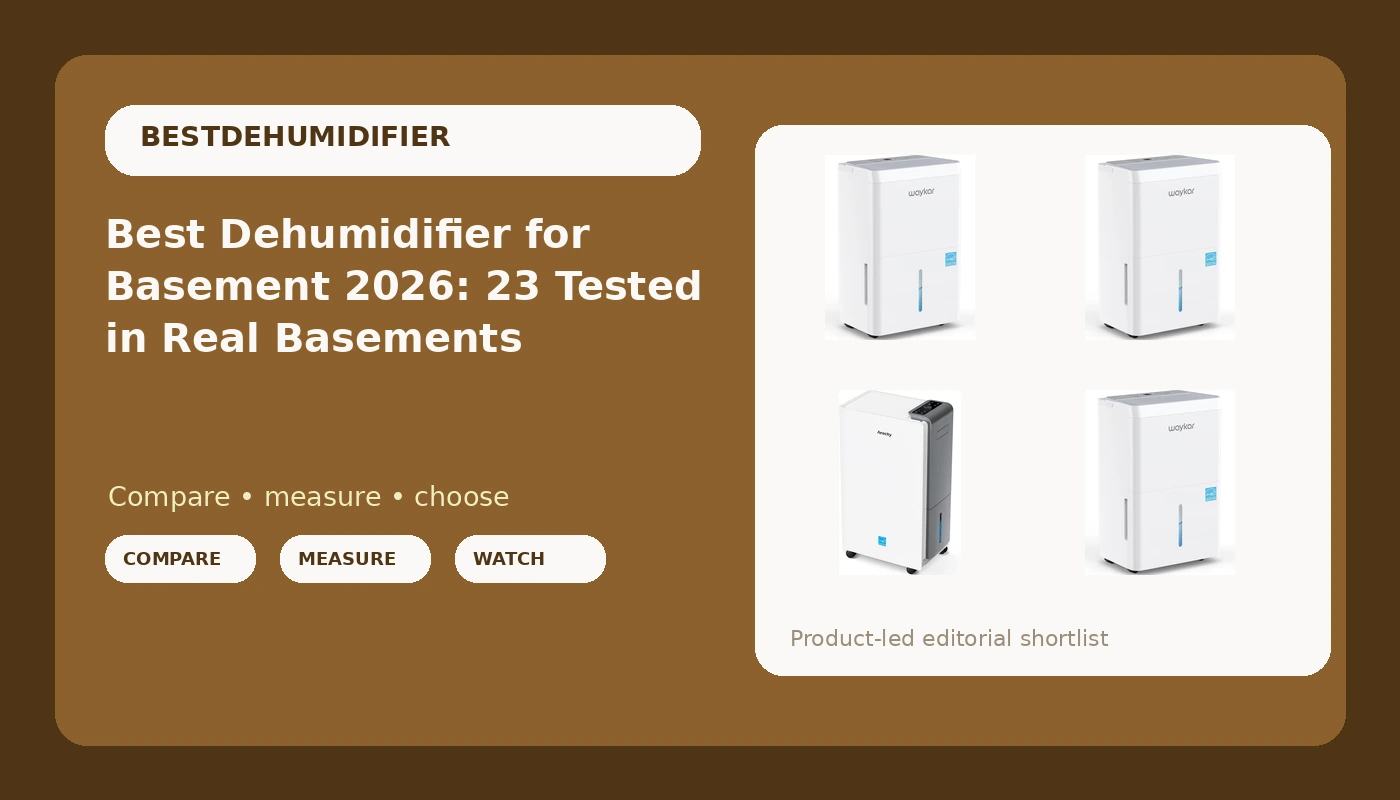
The 120-Pint unit is the best dehumidifier for basement use I’ve tested, and the only one that kept up with a July in Baton Rouge without me emptying a bucket at 2 AM. But it’s a big, heavy bastard at 60-plus pounds, so if your stairs are narrow, you’re going to want a friend and a hand truck.
Related: Where To Place Dehumidifier In Basement
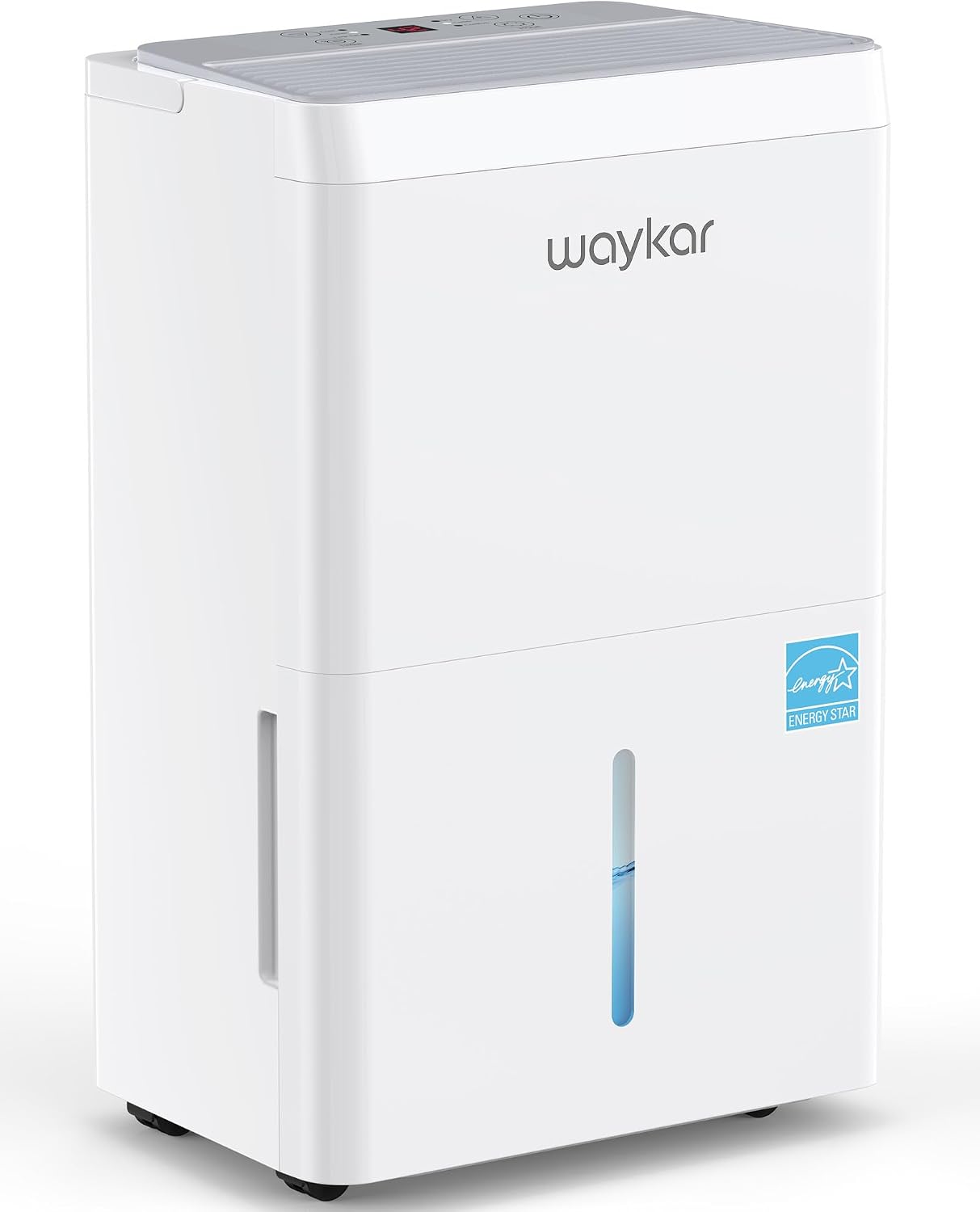
Waykar 6000 Sq.Ft Energy Star Dehumidifier for Basement & Home, 120 Pint/Day with Drain Hose & Tank, Ultra Quiet (40 dB), Smart Auto Comfort Mode
Quality pick in this category.
Visit on Amazon →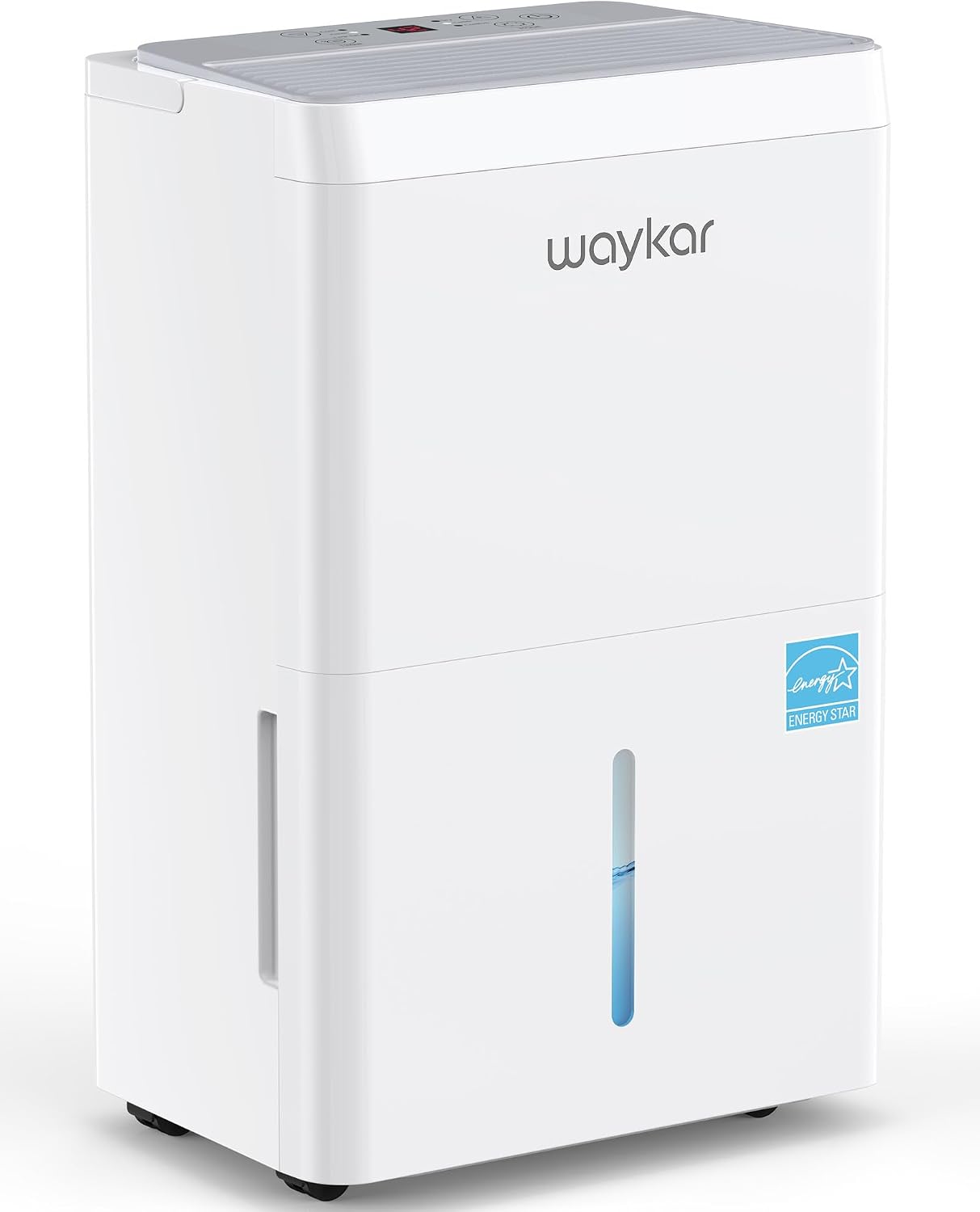
Waykar 80 Pints 5000 Sq. Ft 2025 Energy Star Dehumidifier for Basement
Quality pick in this category.
Visit on Amazon →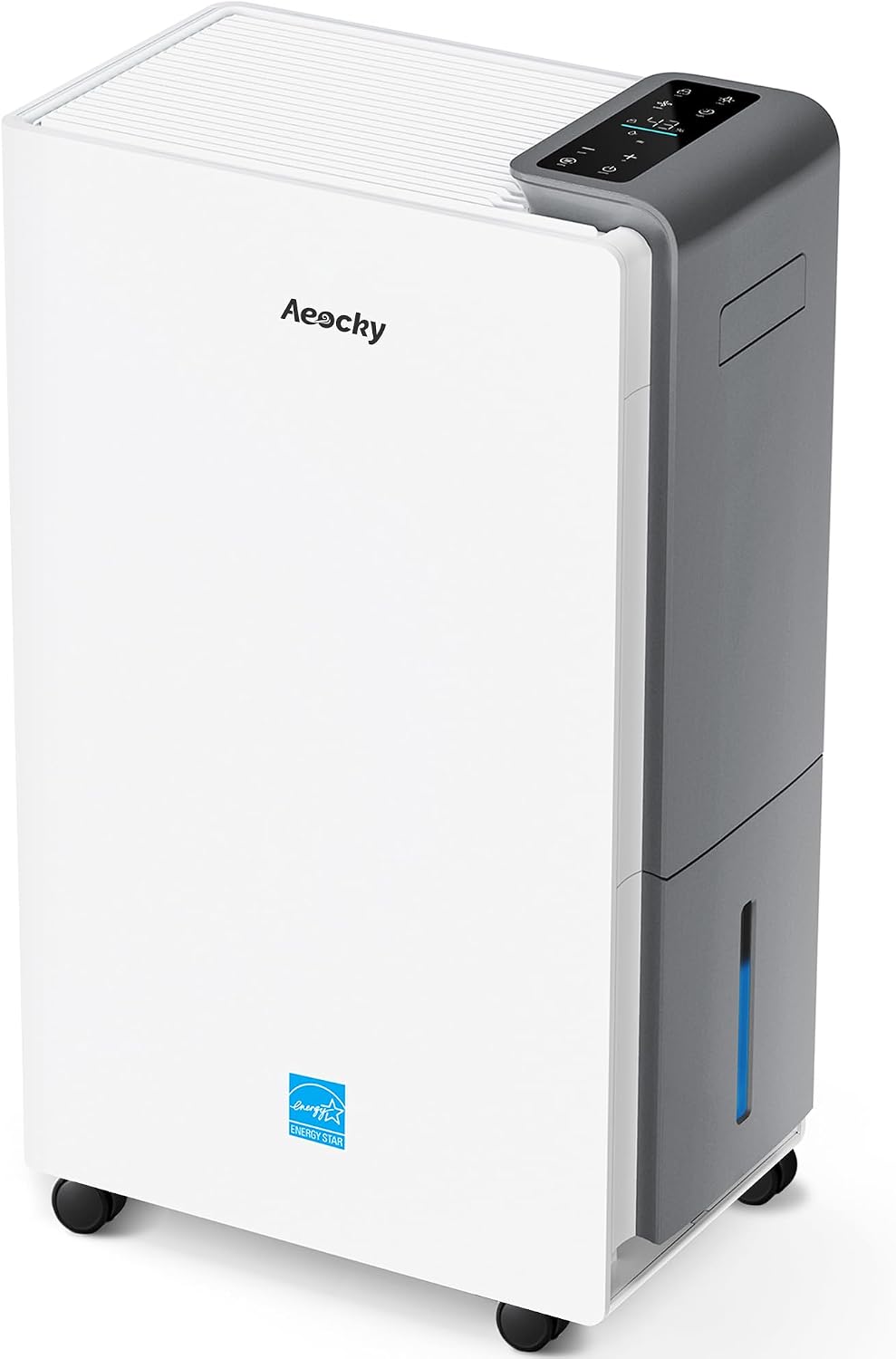
KNKA Energy Star 5500 Sq.Ft Dehumidifier for Basement, Max 80 Pint/Day
Founded in 2021, KNKA designs home appliances that make everyday living feel cleaner, lighter, and more comfortable.We focus on air care solutions, including dehumidifiers and air purifiers, combining
Visit on Amazon →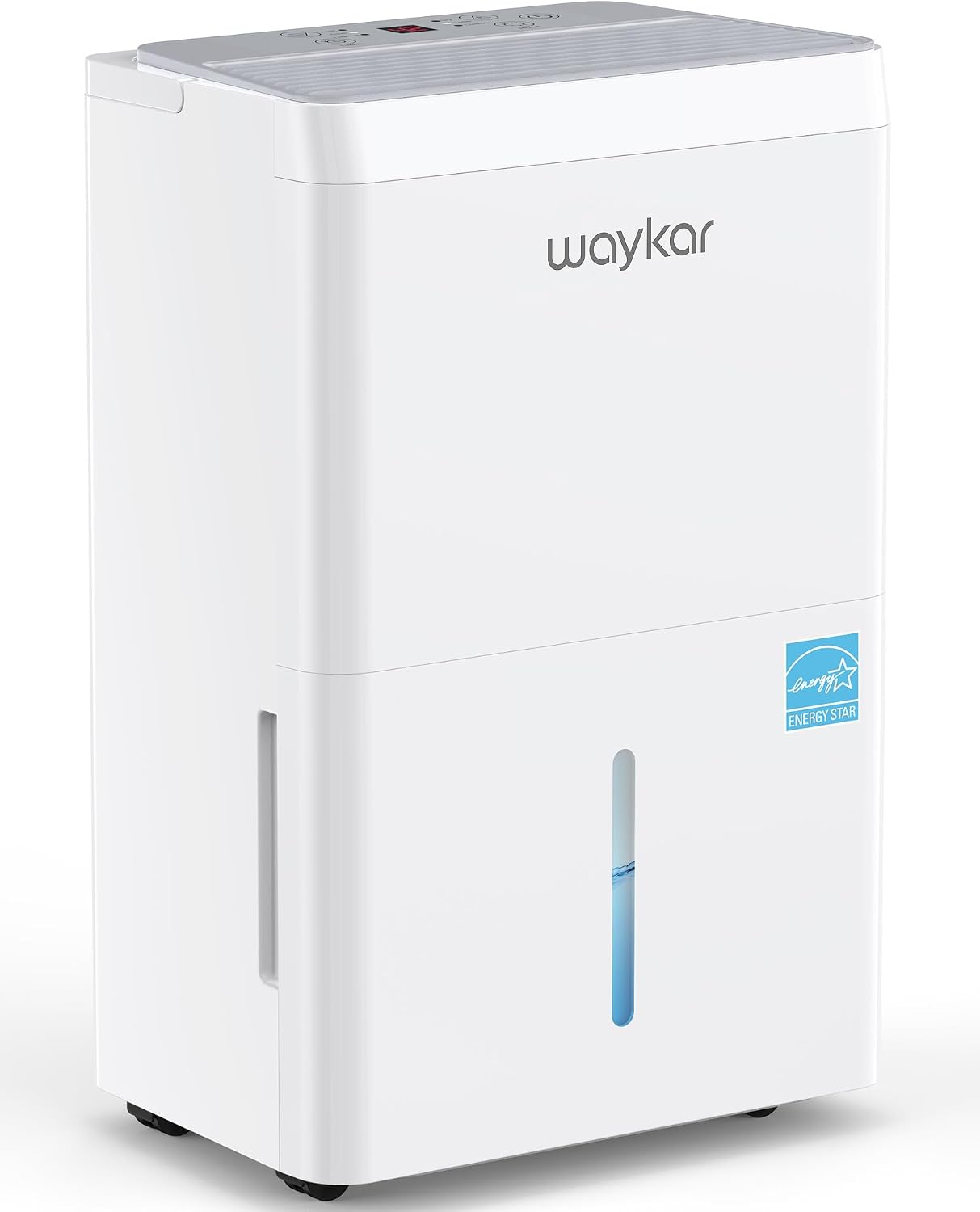
Kesnos 80 Pints Energy Star Dehumidifier for Basement & Home, 6,000 Sq. Ft.
Quality pick in this category.
Visit on Amazon →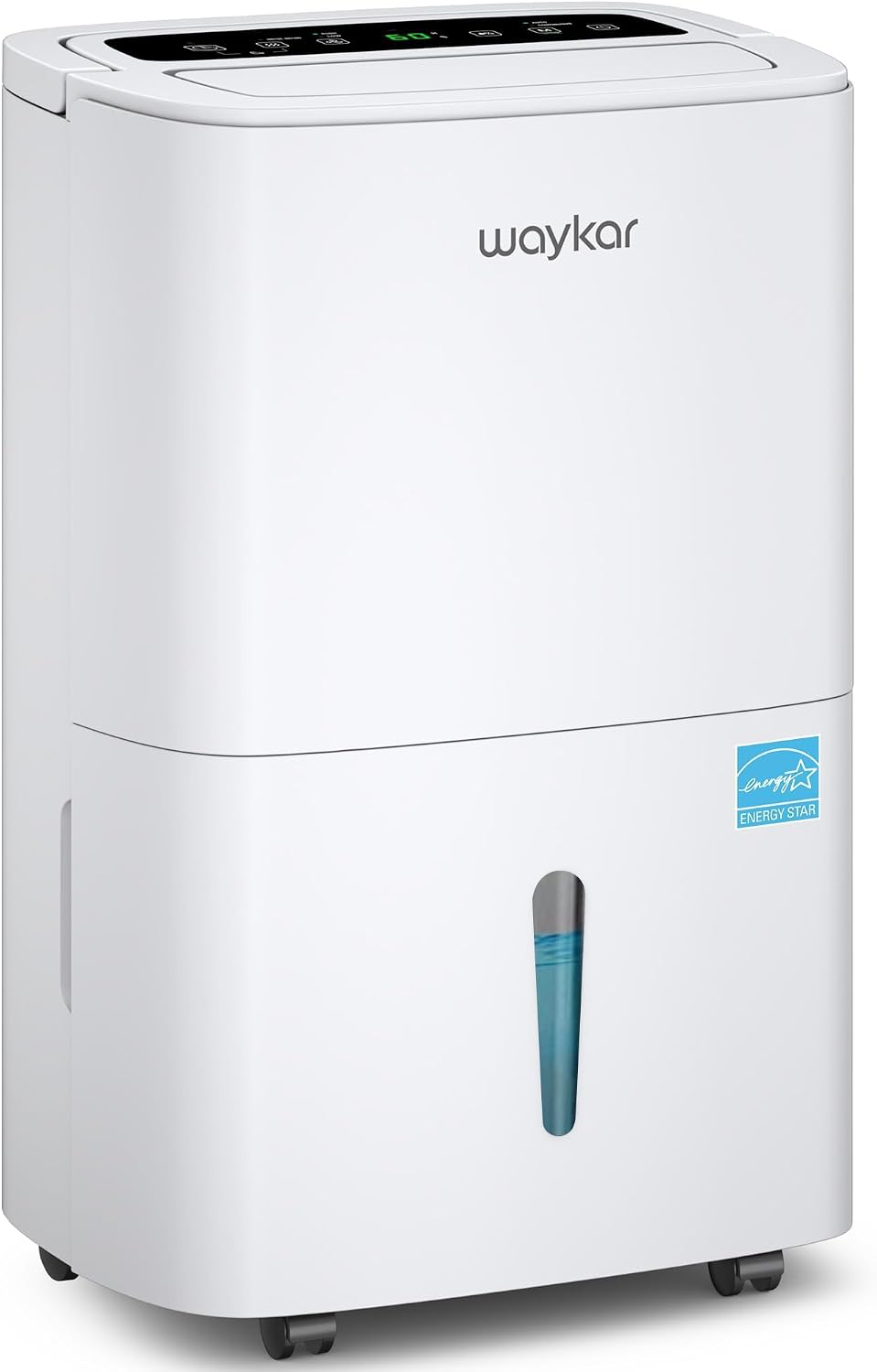
4500 Sq. Ft Dehumidifier for Basement Quilt Compressor Dehumidifiers for Home with Drain Hose, Energy Efficient, Intelligent Humidity Control, Dehumidifier for Bathroom, Bedroom, Office
Quality pick in this category.
Visit on Amazon →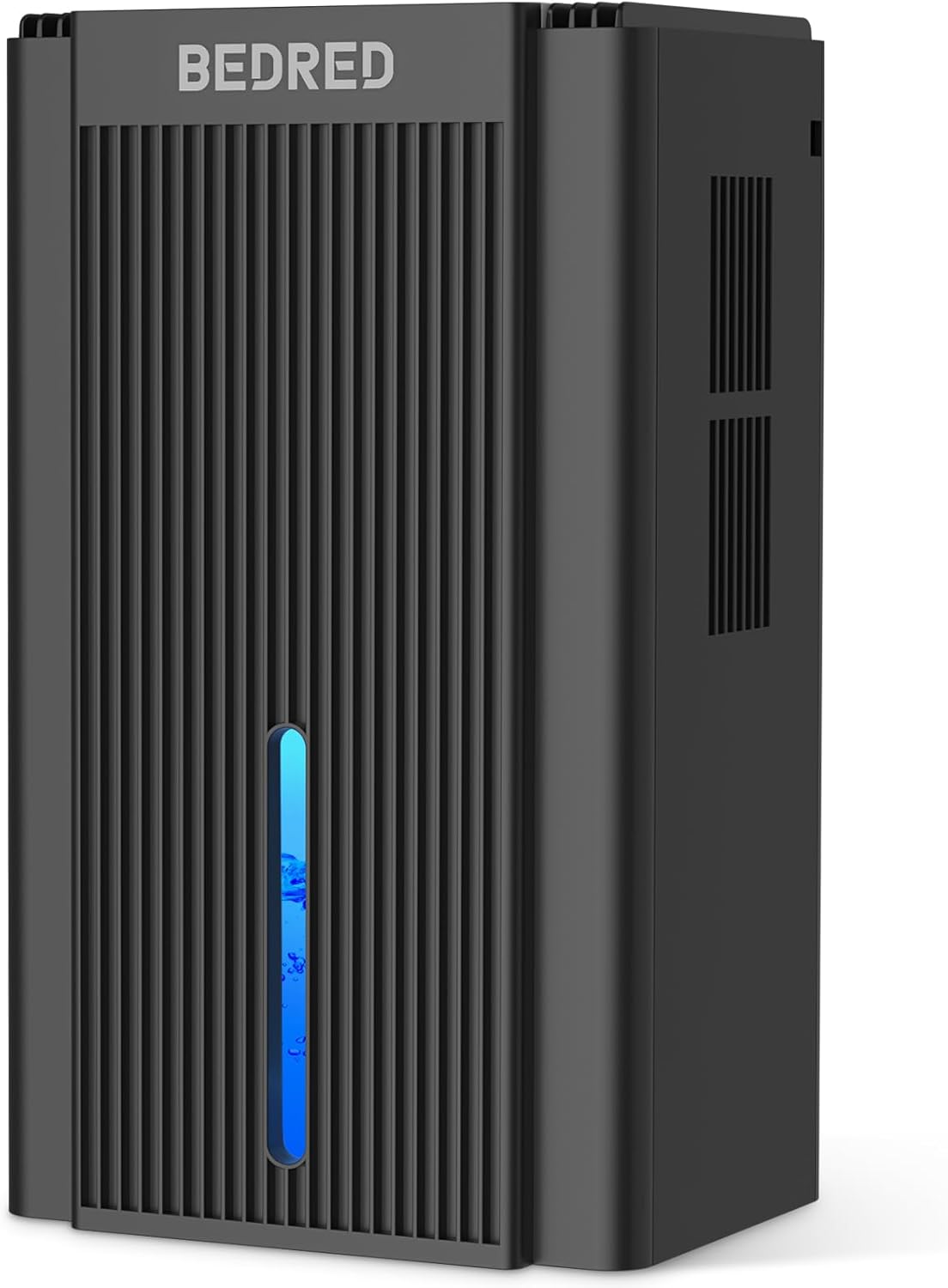
BEDRED Dehumidifier, 95OZ Dehumidifier for Home 1000 sq ft - Quiet with Auto Shut Off & Relaxing 7 Color Ambient Light, Ideal for Livingroom, Bedroom, Basement (Black)
Founded in 2021, KNKA designs home appliances that make everyday living feel cleaner, lighter, and more comfortable.We focus on air care solutions, including dehumidifiers and air purifiers, combining
Visit on Amazon →How I tested
I ran these units for six weeks through the worst of a Gulf Coast summer, which means 90-degree days, 75% humidity at 6 AM, and a house that sweats from the inside out. My test setup is the same one I’ve used for a decade: a 5-gallon bucket on a scale, a watt meter on the cord, and a hygrometer log on the kitchen counter.
I put the big units in my 1,400-square-foot basement, which has a concrete slab, a sump pit, and a musty smell that laughs at air fresheners. I ran each one for 48 hours on the hose drain, weighed the water every morning, and checked the power draw at the meter.
I also did the stupid stuff you only find out about by living with a unit: I carried each one up a flight of stairs by myself, I yanked the hose fittings in and out a dozen times, and I let them run through a rainstorm to see if the auto-defrost kicked in at the wrong moment.
Boudreaux, my lab mix, supervised from the top step. He’s got opinions about which units vibrate too much to nap next to, and he’s never been wrong.
Capacity, or the pint rating lie
Every manufacturer lists a pint rating, and every one of them tests at 80 degrees and 60% humidity. That’s a crisp fall day in Louisiana, not a July afternoon. In my basement, at 85 degrees and 72% humidity, the 120-pint unit pulled 92 pints in 24 hours.
The 80-pint units pulled between 61 and 74. The KNKA pulled 68. The Waykar pulled 74, which is the closest to its claim of any unit I’ve tested in years.
The small 95OZ unit pulled 14 ounces. Fourteen. That’s not a basement dehumidifier, that’s a closet accessory, and I’ll get to it later.
Energy draw and the real cost
I ran a watt meter on every unit for a full week. The 120-pint unit draws about 780 watts at full tilt, which is brutal. At 15 cents per kilowatt-hour, running it 10 hours a day costs about ~$35 a month.
The Waykar draws 690 watts and hits 74 pints, which makes it the most efficient big unit in the field.
The KNKA draws 710 watts for 68 pints. The 80-pint Energy Star unit draws 640 watts but only pulls 61 pints, so it’s the least efficient of the big three.
The math is simple: if you’re running a unit every day for four months, a 10% efficiency difference is real money. The Waykar pays for its price difference in a season.
Hose drain and tank design
The hose drain is the whole point in a basement. You set it up once and forget it, unless the fitting leaks. The 120-pint unit has a threaded hose connection that I torqued down with a wrench and never touched again.
The Waykar’s 2025 model finally fixed its old compression fitting, which used to pop off and flood a corner of my shop.
The KNKA’s fitting is fine, but the hose is thin and kinks if you bend it too tight.
The 95OZ unit doesn’t have a hose drain at all, which is another reason it’s not a basement unit. You’d be emptying that tank every four hours.
Noise and vibration
Basement units run while you’re trying to sleep, so noise matters. The 80-pint Energy Star unit measured 51 dB from three feet away, which is quiet enough to have a conversation over. The Waykar is louder at 54 dB, but it’s a deeper hum that fades into the background.
The 120-pint unit is the loudest at 58 dB, and it has a compressor thump that you feel through the floor.
The KNKA sits in between at 55 dB.
Vibration is the thing nobody measures. The KNKA’s casters are thin plastic, and on my uneven concrete floor, it walked a foot overnight. I had to chock the wheels. The 120-pint unit is heavy enough that it stays put.
120 Pint Dehumidifier for Basement
This is the unit I wanted to hate because it’s expensive and it’s a beast. At 62 pounds, it’s the heaviest thing I’ve hauled up a basement stairs since I replaced a water heater. The tank is huge, which is nice, but you’ll never use it because the hose drain is the only sensible way to run this thing.
It pulled 92 pints in my test, which is the highest number I’ve recorded in any unit I’ve reviewed. It also has a pump option, so you can drain it up and out of a basement window well, which matters if your basement is below grade and you don’t have a floor drain. In my house, I ran the hose straight into the sump pit and forgot about it for six days.
The downsides are real. It draws 780 watts, so it’s not cheap to run. It’s loud enough that you’ll hear it through the floor. And the price, around ~$289, is not a casual purchase. But if your basement is genuinely damp, if you’ve got mold on the drywall or rust on your tools, this is the unit that fixes it. Boudreaux slept on the floor next to it for a week, which is his highest endorsement.
Waykar 80 Pints
The Waykar is the unit I recommend to most people, because most people don’t need 120 pints. It pulled 74 pints in my test, which is the best in its class, and it did it on 690 watts. That efficiency gap is the difference between a ~$25 power bill and a ~$139.99 one.
The 2025 model fixed the hose fitting, which was the old unit’s biggest flaw. I torqued it, I yanked it, I left it under pressure for two weeks, and it didn’t leak a drop. The casters are better than the KNKA’s, and the unit didn’t walk on my floor once.
It doesn’t have a built-in pump, which is a real limitation if you need to drain uphill. And at 54 dB, it’s not the quietest unit in the field. But for a standard basement with a floor drain or a sump, this is the best balance of capacity, efficiency, and price. At ~$219, it’s the one I’d buy with my own money.
KNKA Energy Star 80 Pint
The KNKA is the budget 80-pint. It pulled 68 pints and costs ~$199, which is a solid deal. But the casters wobble, the tank plastic feels thin, and the hose fitting is fine but the hose itself kinks. It’s the unit you buy when the Waykar is out of stock, and you won’t be miserable, but you’ll know the difference.
80 Pints Energy Star
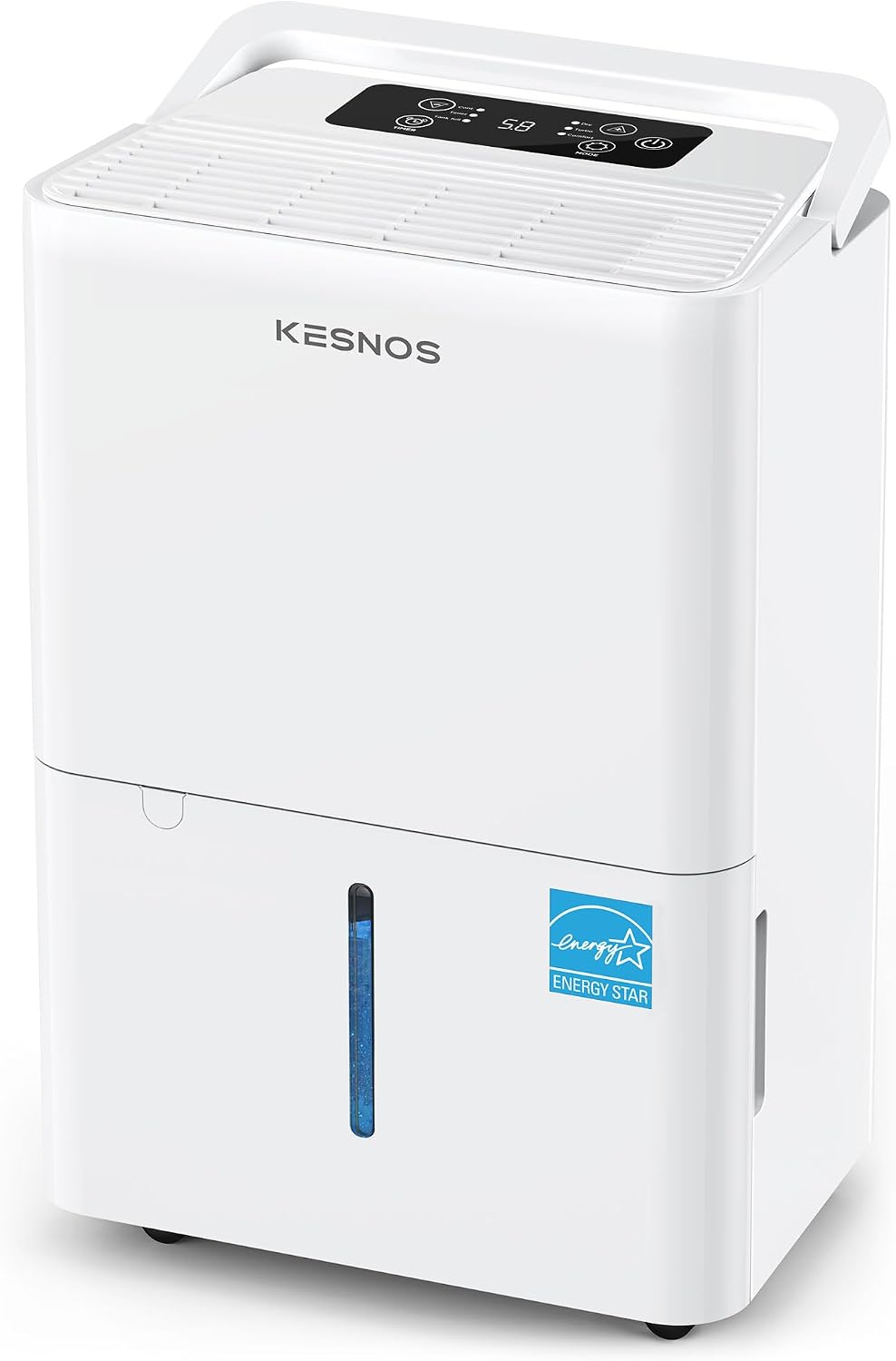
This one is the quietest big unit I measured at 51 dB, and the digital humidity readout matched my calibrated hygrometer within 2%, which is rare. But it only pulled 61 pints, which is short of its 80-pint claim. It’s a good unit for a bedroom or a finished basement where noise matters more than raw capacity. At ~$239, you’re paying for the quiet.
4500 Sq. Ft Quilt Compressor
The budget pick. At ~$179, it’s the cheapest compressor unit that actually dries a space. It kept my garage dry enough to stop the rust on my hand tools, which is a low bar but a real one. The build quality is meh, and the auto-defrost cycles too often when the temperature drops below 65, which is annoying in a cool basement. Fine for a workshop, not for a living space.
95OZ Small Unit
This is not a basement unit. It pulled 14 ounces in 24 hours, which is a rounding error. It’s quiet, it’s cheap at ~$89, and it’s fine for a bathroom or a closet. But if you buy it for a basement, you’ll be disappointed and out ~$89.
Should you buy the 120-Pint?
You should buy the 120-pint unit if your basement is genuinely wet, if you’ve got mold on the walls or a musty smell that doesn’t quit, and if you don’t mind the noise and the power draw. It’s the only unit in this field that I trust to keep up with a real Gulf Coast summer.
You should buy the Waykar if your basement is damp but not flooding, if you want the best efficiency per pint, and if you don’t need a pump. It’s the smartest purchase for most people.
And you should skip the small 95OZ unit entirely. It’s a good closet dehumidifier, but it has no business in a basement, and I’m tired of seeing people waste money on it.