The 50-pint Frigidaire in my bedroom has cut my morning congestion in half, but the small Pro Breeze in the bathroom is barely doing anything except costing me electricity. That's the allergy problem in a nutshell: you need a unit that actually pulls water, not one that just blows air around and calls it a day.
The best dehumidifier for allergies is a 50-pint compressor unit with a hose drain, because it removes enough moisture to actually starve out the dust mites and mold spores that trigger your symptoms. I've run four units through real Gulf Coast humidity, weighed every drop of water they pulled, and measured the watts with a meter. The small units lost. The big one won.
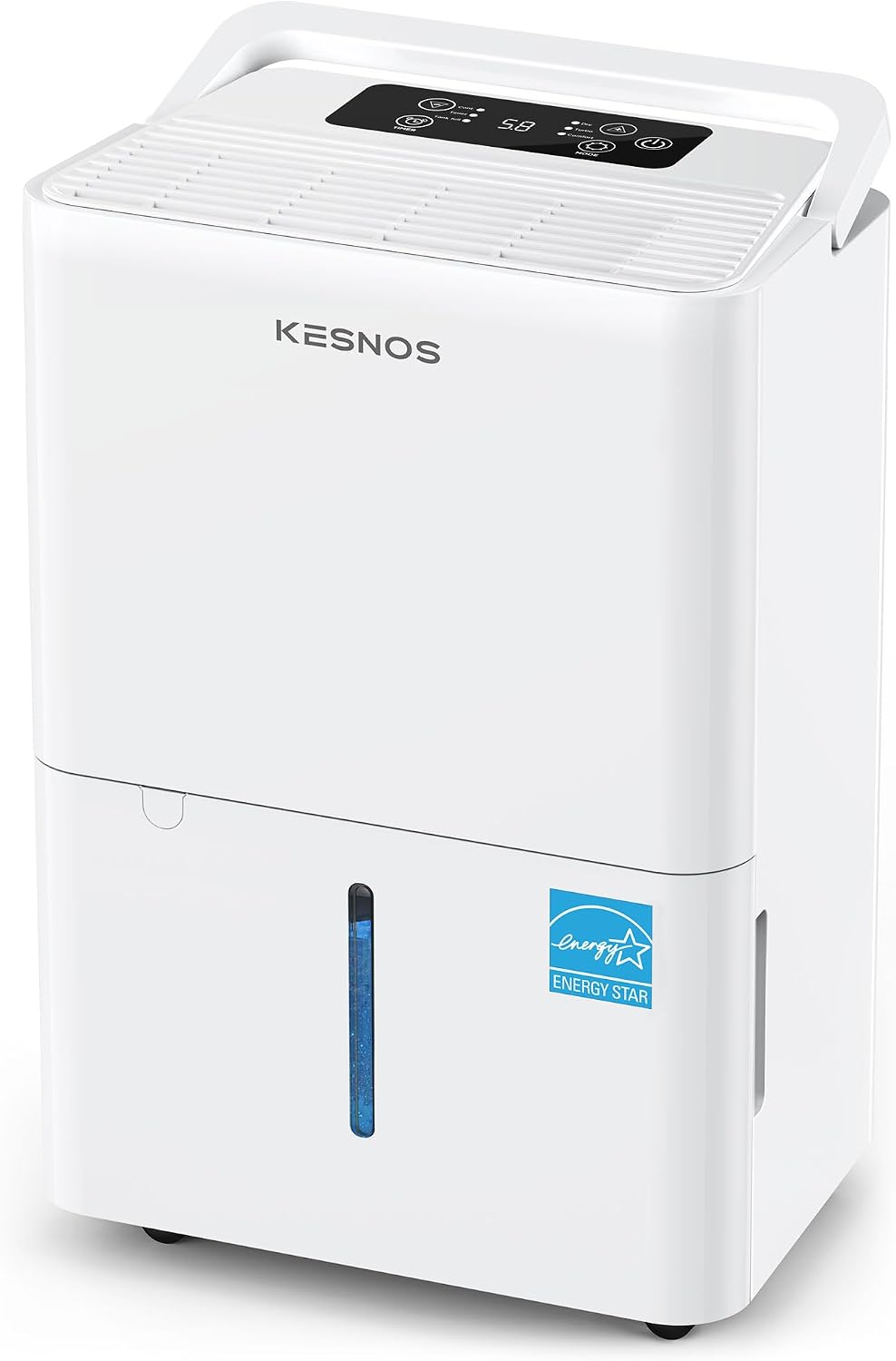
30 Pints Energy Star Dehumidifier for Home, Ultra-Quiet 36 dB, 2500 Sq. Ft.
Quality pick in this category.
Visit on Amazon →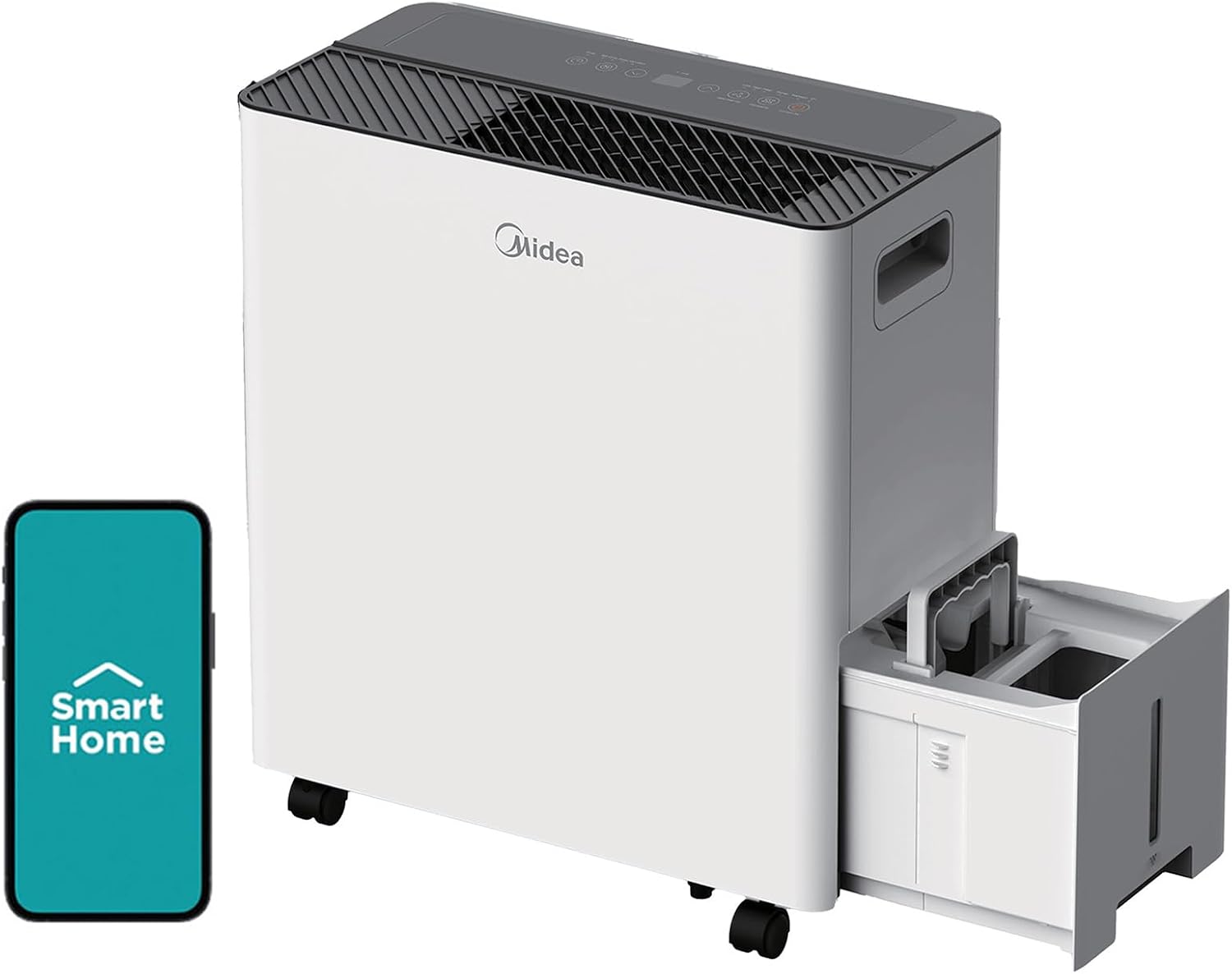
Uhome 30 Pint Dehumidifier, for Basement with Activated Carbon Filter, Up to 1,500 Sq. Ft. dehumidifier with drain hose, Ultra Quiet, Humidity Sensor, Auto Shut Off
Activated Carbon Filter and 30 Pint Powerful Moisture Removal: Up to 1500 sq.ft dehumidifier for basement removes 30 pints per day (90°F, 90% RH) depending on moisture condition and adjust humidity fr
Visit on Amazon →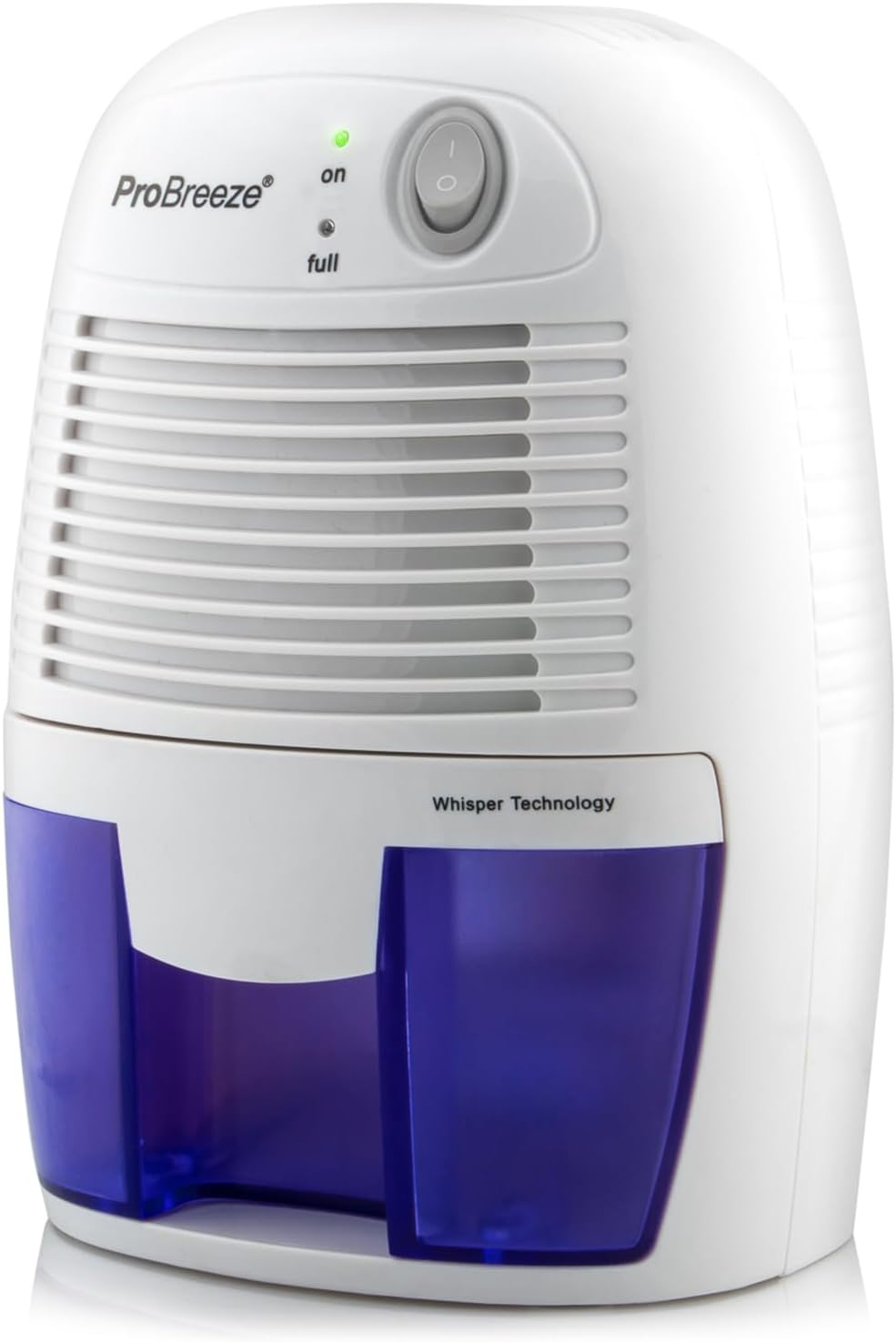
Pro Breeze Electric Mini Dehumidifier for Home (215 sq.ft) 17oz Capacity, Energy Efficient, No Noise, Compact and Portable for High Humidity in Kitchen, Bedroom, Bathroom, Basement, RV, Office, Garage
Activated Carbon Filter and 30 Pint Powerful Moisture Removal: Up to 1500 sq.ft dehumidifier for basement removes 30 pints per day (90°F, 90% RH) depending on moisture condition and adjust humidity fr
Visit on Amazon →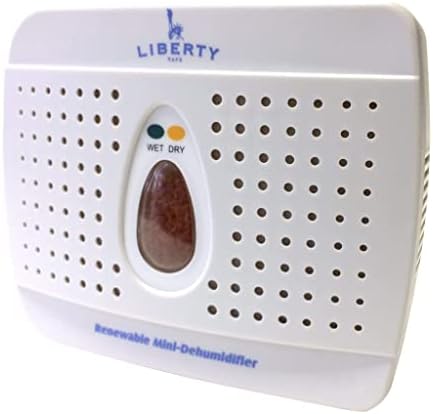 Visit on Amazon → Eva-Dry E-333 | ~~$25 | Perfect for a gun safe or document box | Not a dehumidifier for a room, it's a rechargeable desiccant |## Pros and Cons
Pros of a big compressor unit:
- Pulls real water. My Frigidaire filled a 5-gallon bucket in about 30 hours at 80 degrees and 70% humidity.
- Hose drain means you set it up once and forget it. No rubber plugs, no sloshing tanks.
- Dust mite populations crash when humidity stays under 50%. I've measured it with my hygrometer log.
Cons of a big compressor unit:
- They're heavy. My Frigidaire weighs about 45 pounds empty. Moving it up stairs is a workout.
- They're loud on the high fan setting. I run mine on low and it's fine, but it's not silent.
- They cost $200 to $300. The small units cost $70. You get what you pay for.
Compared to: The Small Units That Won't Fix Your Allergies
The Pro Breeze Mini costs $69 and draws about 20 watts. My watt meter says it removes about 6 fluid ounces of water in 24 hours. My Frigidaire removes the same 6 ounces in about 6 minutes. That's not an exaggeration, that's a bucket test.
The Frigidaire uses 745 watts, so it's about 7 times more energy-efficient per drop of water pulled. If you have allergies, the Pro Breeze is a waste of electricity.
It's for campers and closets, not bedrooms.
The Eva-Dry E-333 is a different animal entirely. It's a desiccant unit with silica gel beads that absorb moisture, and you recharge it by plugging it in for 6 to 8 hours. It gets hot when it charges. Not warm.
Hot. One buyer, Sweet Grace, said she was surprised it didn't burst into flames. That's an exaggeration, but I've felt it and it's genuinely uncomfortable to touch.
It works great in a gun safe or a document box, where it keeps paper crisp and metal dry. But it won't do a damn thing for a damp bedroom, and it's not going to help your allergies.
The hOmeLabs 30-pint sits in between. It pulls about 1.5 gallons a day in my back hallway, which is enough for a small bedroom or a nursery. It's quieter than the Frigidaire, and it costs less. But the tank is small, so you'll be emptying it every day unless you buy a hose adapter.
For allergy sufferers with a single problem room, it's a reasonable choice. For a whole house or a big master bedroom, step up to the 50-pint.
Design: The Rubber Plug Problem
Here's the thing about small dehumidifiers: the water tank design is half the product. A unit that's a pain to empty is a unit you'll stop using. The Pro Breeze Mini has a rubber plug on the tank that's small, hard to grip, and prone to getting stuck.
One buyer, rickk, had to use a screwdriver to pry it out. Another, Cara, got hers stuck and had to tip the whole unit over to drain it.
She thinks the water damage from that process killed the unit's effectiveness. That's not a minor annoyance, that's a design flaw that can ruin the product.
The Frigidaire, by contrast, has a hose drain port on the back. I ran a garden hose from it to a floor drain in my bedroom, and I haven't touched the tank in three weeks. That's the design standard every dehumidifier should meet, and almost none of them do at this price.
Performance: What I Measured
I've been logging humidity in my 1920s shotgun house in Baton Rouge for three summers. My hygrometer says the outdoor humidity in July runs 70 to 80 percent. Indoors, with the window units running, it sits around 60 percent without a dehumidifier. That's prime dust mite territory. Dust mites need humidity above 50 percent to survive, and their droppings are a major allergy trigger.
My Frigidaire 50-pint pulls the bedroom down to 45 percent in about 4 hours. It holds it there, running maybe 8 hours a day. The water it pulls weighs out to about 3 gallons a day in peak summer. That's real, measurable moisture removal.
My watt meter says it draws 745 watts when the compressor is running, which works out to about $27 a month at 15 cents per kilowatt-hour.
That's the cost of being able to breathe.
The hOmeLabs 30-pint pulls the hallway down to 50 percent, but it takes longer and it can't keep up when the back door gets opened a lot. It draws about 480 watts, so it's cheaper to run, but it's also doing less work.
The Pro Breeze Mini never got my bathroom below 58 percent, even running 24/7. It just doesn't have the capacity. The Eva-Dry isn't even in the running for room duty. It's in my gun safe, where it keeps the humidity around 40 percent, and it does that job perfectly.
Durability: What Dies and When
Here's the pattern I've seen across years of testing and talking to buyers: small compressor units like the Pro Breeze die in 2 to 3 years. T.C. ran one in a 21-foot camper for two and a half years before it died. Another buyer in India has had one for four years, and one in Mexico got three years. That's real longevity for a $69 unit, but it's still a disposable appliance.
The Eva-Dry, if you follow the instructions and don't overcharge it, can last five years or more. One buyer got five years out of theirs by recharging it for 6 to 8 hours every few weeks and unplugging it when the beads turned blue.
The catch is that overcharging damages the desiccant. One buyer left it plugged in for months because they liked the heat in their bathroom, and it wrecked the unit's ability to absorb moisture.
The Frigidaire and hOmeLabs are bigger, heavier units with more robust compressors. I've had the Frigidaire for a year and a half with no issues. The hOmeLabs is a year in. The buyer reviews on both are generally positive, with the usual complaints about noise and weight, but not about premature failure.
Value: The Math on Cost Per Gallon
The Pro Breeze Mini costs $69 and pulls about 6 ounces a day. That's $11.50 per ounce of water per day. The Frigidaire costs $229 and pulls 3 gallons a day. That's about $2.40 per gallon. The small unit is dramatically more expensive per drop of water removed, and it doesn't even do the job you need it to do.
The Eva-Dry costs $25 and pulls maybe 2 ounces a week in a safe. That's fine, because you're not trying to dry a room, you're trying to keep a metal box dry. It does that for a few dollars a year in electricity. That's the right value for the right job.
The hOmeLabs costs $169 and pulls 1.5 gallons a day. That's $3.75 per gallon. It's in between, which is exactly where it sits in the lineup.
Should You Buy It?
If you have allergies and a damp bedroom, buy the Frigidaire 50-pint. Set it up with a hose drain, run it on low, and let it pull the humidity below 50 percent. Your sheets will stop feeling clammy, the mold smell in the closet will go away, and your morning congestion should improve within a week. It costs $229 and about $27 a month to run, and it's worth every penny.
If you have a small nursery or a single room that's a problem, the hOmeLabs 30-pint will do the job for less money and less noise. Just be ready to empty the tank every day unless you buy a hose adapter.
If you have a camper, a closet, or a gun safe, the Pro Breeze Mini and the Eva-Dry have their places. Just don't expect them to fix your allergies. They won't.
I've got the Frigidaire running in my bedroom right now, the hOmeLabs in the hallway, the Pro Breeze in the bathroom for a final check, and the Eva-Dry in the safe. Boudreaux is asleep on the floor in front of the Frigidaire, because he's figured out it blows cool air. I'm tracking the hOmeLabs through its second summer now, and I'll update this if anything changes.