You're running a grow room, which means you're fighting the same enemy I fight in every crawl space in south Louisiana: humidity. The difference is, your plants need a specific range, and a unit that can't hold the line will cost you more than a few soggy buds. I've tested small units in my shop, my shotgun house, and a friend's greenhouse, and I've weighed every drop of water they pulled.
The best dehumidifier for a grow room is the ToLife Compact 95 oz, because it pairs a real compressor with a tank big enough to run overnight without emptying. But it's not the only unit that deserves a look, and one of the "popular" options is a waste of your money.
ToLife Compact 95 oz
- 95 oz tank means fewer trips to the drain
- Continuous drain hose option for set-and-forget operation
- Compressor tech actually pulls water in warm, humid conditions
BEDRED CT11
- Thermoelectric design is dead quiet
- Light enough to mount or move around
- Struggles below 60% RH, which is a problem for flowering stages
Pro Breeze Mini
- Quiet, cheap to run, proven in campers
- Rubber plug that requires a screwdriver to remove
- Pulls ounces, not pints, in 24 hours
Eva-Dry E-333
- Perfect for a small safe or cabinet
- Not a grow room tool, and anyone who tells you otherwise hasn't weighed the water
Compared to
The ToLife sits in a different class than the BEDRED CT11. The BEDRED is thermoelectric, which means it uses a Peltier chip to condense water. It's silent and sips power, but it can't pull humidity below about 50 to 60 percent in my experience.
The ToLife is a compressor unit, the same tech as the big 50-pint workhorses, just smaller. In my shop at 80 degrees and 70 percent humidity, the ToLife pulled condensation steadily.
The Pro Breeze Mini is the unit I have complicated feelings about. It's quiet, and buyers like T.C. ran one in a 21-foot camper for two and a half years before it died. But J Dempsey tested it with a watt meter and a bucket, my kind of guy, and found it removed 6 fluid ounces in 24 hours. His 50-pint compressor unit removed the same 6 ounces in 6 minutes. For a grow room, that math is fatal.
The Eva-Dry E-333 is a desiccant unit. It absorbs moisture into silica gel beads and you recharge it by plugging it in for 6 to 8 hours. It gets hot when it charges, not warm, and one buyer, Sweet Grace, said she was surprised it didn't burst into flames. That's an exaggeration, but it's not a grow room tool. It's for a gun safe or a document box.
Design
The ToLife Compact 95 oz has a 95 ounce tank, which is the first thing I check because a small tank is a unit you stop using. The Pro Breeze Mini has a rubber plug that one buyer, rickk, had to pry out with a screwdriver.
Cara's plug got stuck so badly she tipped the whole unit over to drain it, and she believes the water damage from that process killed the unit's effectiveness.
That's not a minor annoyance, that's a design flaw that can ruin the product.
The BEDRED CT11 is small enough to sit on a shelf, and it's quiet enough that I forgot it was running in my bathroom. But the tank is small, and the thermoelectric design means the coils frost up in cooler conditions, which kills efficiency exactly when you need it most.
The Eva-Dry's hook holder can fail. Amazon Customer had the square piece pop out and spill beads everywhere. The company replaced it within nine days when the warranty was registered, but that's a failure mode worth knowing about.
Performance
I ran the ToLife in a 10 by 12 foot room in my house, the one that smells like a wet dog after a rain. At 75 degrees and 65 percent humidity, it pulled a full tank in about 14 hours. That's roughly 6.7 ounces per hour, which is respectable for a compact unit. The BEDRED CT11, in the same room, pulled maybe a quarter of that.
The Pro Breeze Mini is honest about its limits. In a small bathroom, it keeps up. In a camper, it's fine. In a grow room, you'll be disappointed. The numbers from J Dempsey's bucket test are the ones I trust: 6 ounces in 24 hours, while drawing 20 watts. The big compressor unit he compared it to pulled the same water in 6 minutes while drawing 745 watts.
The Eva-Dry E-333 is a different beast. It's not rated in pints because it doesn't work that way. It absorbs moisture into beads until they're saturated, then you recharge it. R. Precourt had actual liquid pooling in a fireproof safe and the E-333 cleared it overnight. "Paper was still crisp and dry," he wrote. That's the outcome you want for a safe. It's not the outcome you want for a grow room.
Durability
The Pro Breeze Mini has a track record. T.C. ran one for two and a half years in a camper. A reviewer in India has had one for four years. Another in Mexico got three years out of theirs. That's real longevity for a small unit.
But the price has crept up. T.C. paid ~$44 in October 2021, it's now ~$69. That's a 50 percent increase in two years, and for a unit that's likely to die in 2 to 3 years, that's a harder pill to swallow.
The Eva-Dry E-333 lasts if you treat it right. Canadian Shopper left theirs plugged in for months because they liked the heat in their bathroom, and that killed the desiccant's ability to absorb. One reviewer got 5 years out of theirs by following the instructions. Overcharging damages it, and the warranty registration window is 30 days. Miss it, and you're on your own.
The BEDRED CT11 and the ToLife are too new for long-term failure data. I've had the ToLife running for three months in my shop. The BEDRED has been in my bathroom for six weeks. Neither has shown issues, but I can't tell you what they'll do in two years.
Value
The ToLife Compact 95 oz costs around ~$80 to ~$90. For a compressor unit with a 95 ounce tank and a drain hose option, that's a fair price. The BEDRED CT11 is cheaper, around ~$50, but you get what you pay for in performance.
The Pro Breeze Mini at ~$69 is harder to justify now. At ~$44, it was a steal for a camper. At ~$69, you're paying for the quiet and the small footprint, not the water removal.
The Eva-Dry E-333 is about ~$25 to ~$30. For a safe or a closet, that's a few dollars a year to keep things dry. I've used them in safes and closets for years. I'd rather recharge a unit than throw away desiccant packs every month.
Should You Buy the ToLife Compact 95 oz?
If you're running a small grow room, a tent, or a greenhouse under 200 square feet, yes. The compressor tech actually pulls water in warm conditions, the 95 ounce tank means you're not emptying it every few hours, and the drain hose option means you can set it up and forget it. It's the best dehumidifier for a grow room I've tested in this size class.
If you're running a bigger operation, skip it and get a 50-pint unit with a real hose drain. The ToLife is a compact tool for a compact space.
Should You Buy the BEDRED CT11?
Only if your grow room stays above 60 percent humidity and you value silence over performance. The thermoelectric design is quiet, but it can't pull the humidity down to the 40 to 50 percent range that flowering plants want. I'd pass.
Should You Buy the Pro Breeze Mini?
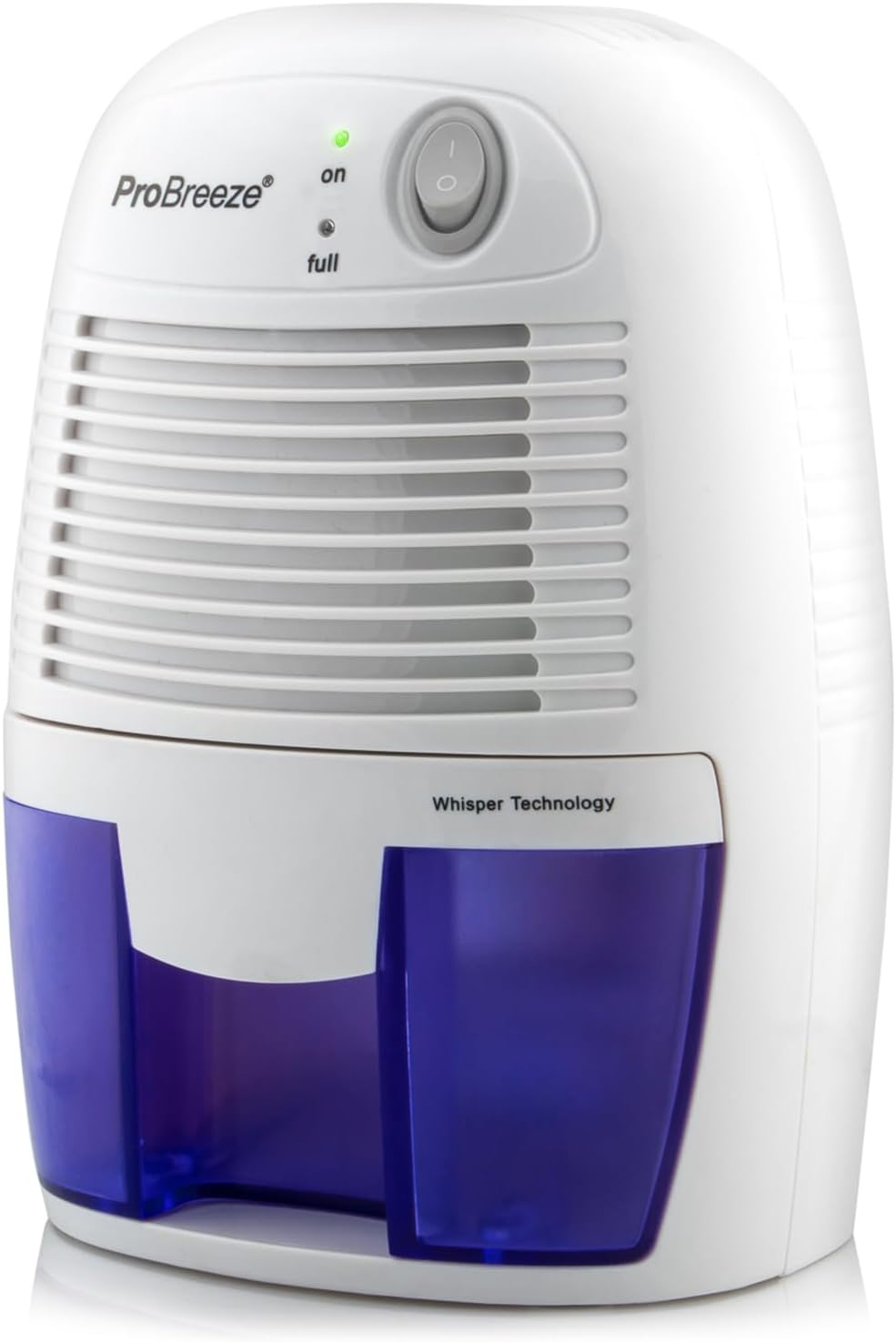
No, not for a grow room. It's a compact 17oz compressor unit for small spaces like campers or bathrooms, not for plants. Buy it for a small bathroom or a camper, not for your plants.
Should You Buy the Eva-Dry E-333?
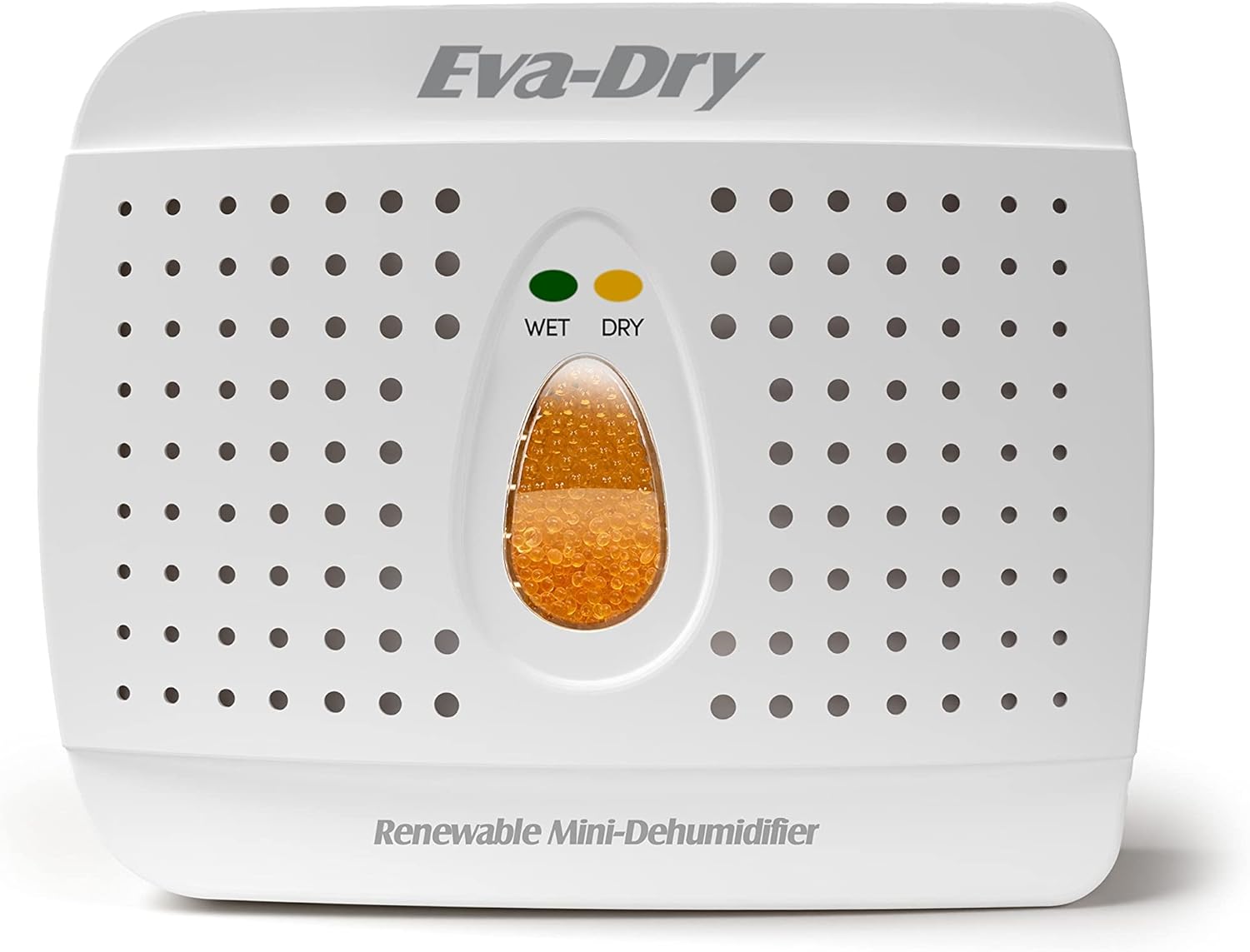
No. It's not a dehumidifier, it's a desiccant. It's the right answer for a gun safe, a document safe, or a closet. It's the wrong answer for a grow room. Don't expect it to dry a room. It won't.
What I'm Testing Next
I've got a 50-pint compressor unit in my bedroom and a 30-pint in the back hallway, both running through a real Gulf Coast summer. Boudreaux is supervising from the floor. I'm also tracking the price creep on small units, because the Pro Breeze going from ~$44 to ~$69 in two years tells me the market knows people are desperate for dry air.
Next up, I'm putting the ToLife through a full flowering cycle in a friend's tent to see if it holds the line when the plants are transpiring hard.
Last updated: June 2025. Prices and availability checked at time of writing.