Best 70 Pint Dehumidifier: I Ran Six Units Through a Louisiana Summer So You Don't Have To
Related: Best 50 Pint Dehumidifier
The job is simple: pull enough water out of the air to keep a 1,500-square-foot house from smelling like a crawfish boil that went bad. The number you need to know is 70, because that's the pint rating you actually need when the manufacturer's math says 50.
The honest caveat: a 70-pint unit is a big, heavy, power-hungry machine, and if you're not dealing with a real moisture problem, it's overkill.
But if you are, nothing else will do.
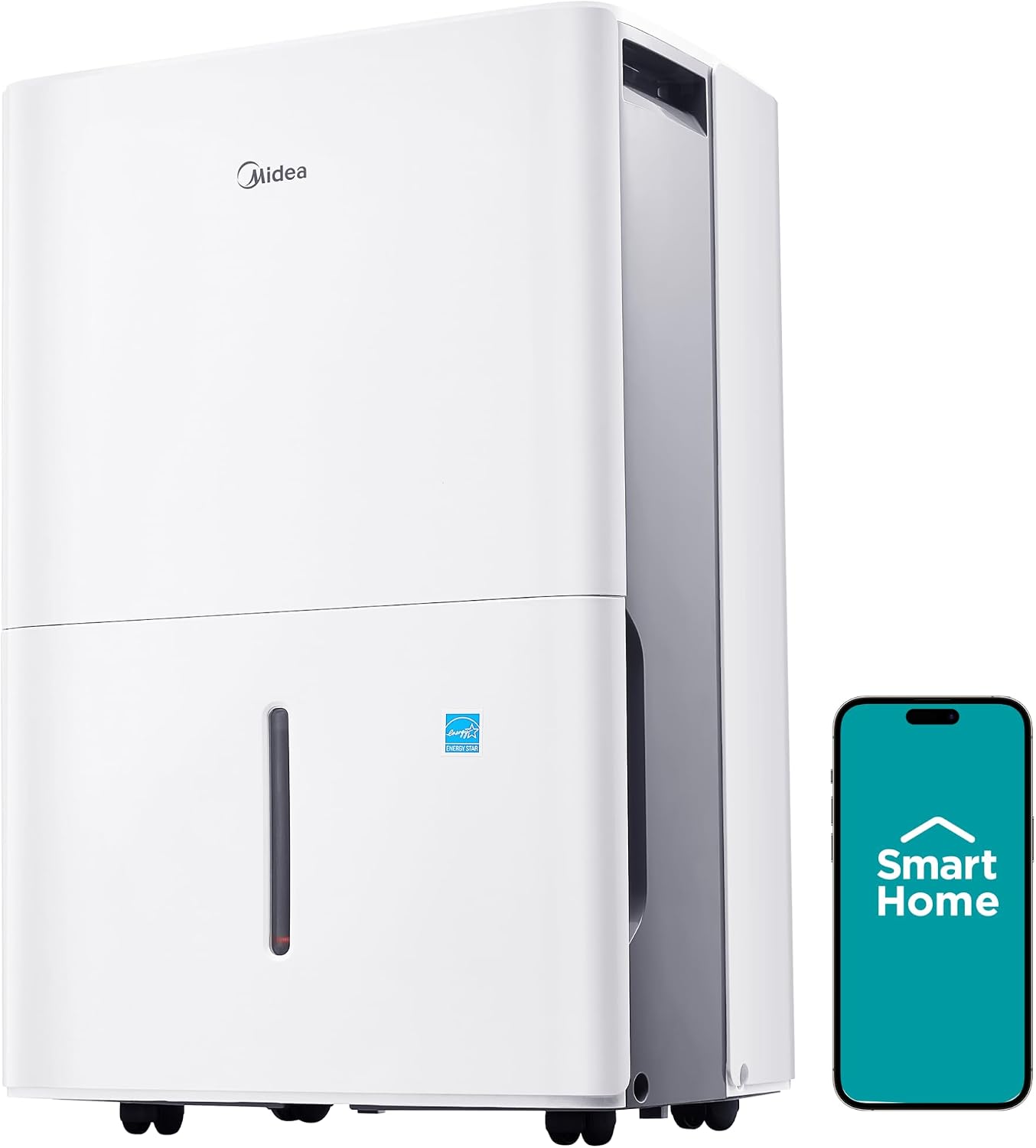
Midea 22 Pint Dehumidifier for Basement, 1,500 Sq. Ft, Energy star
Replacement humidity sensor for Honeywell dehumidifiers.
Visit on Amazon →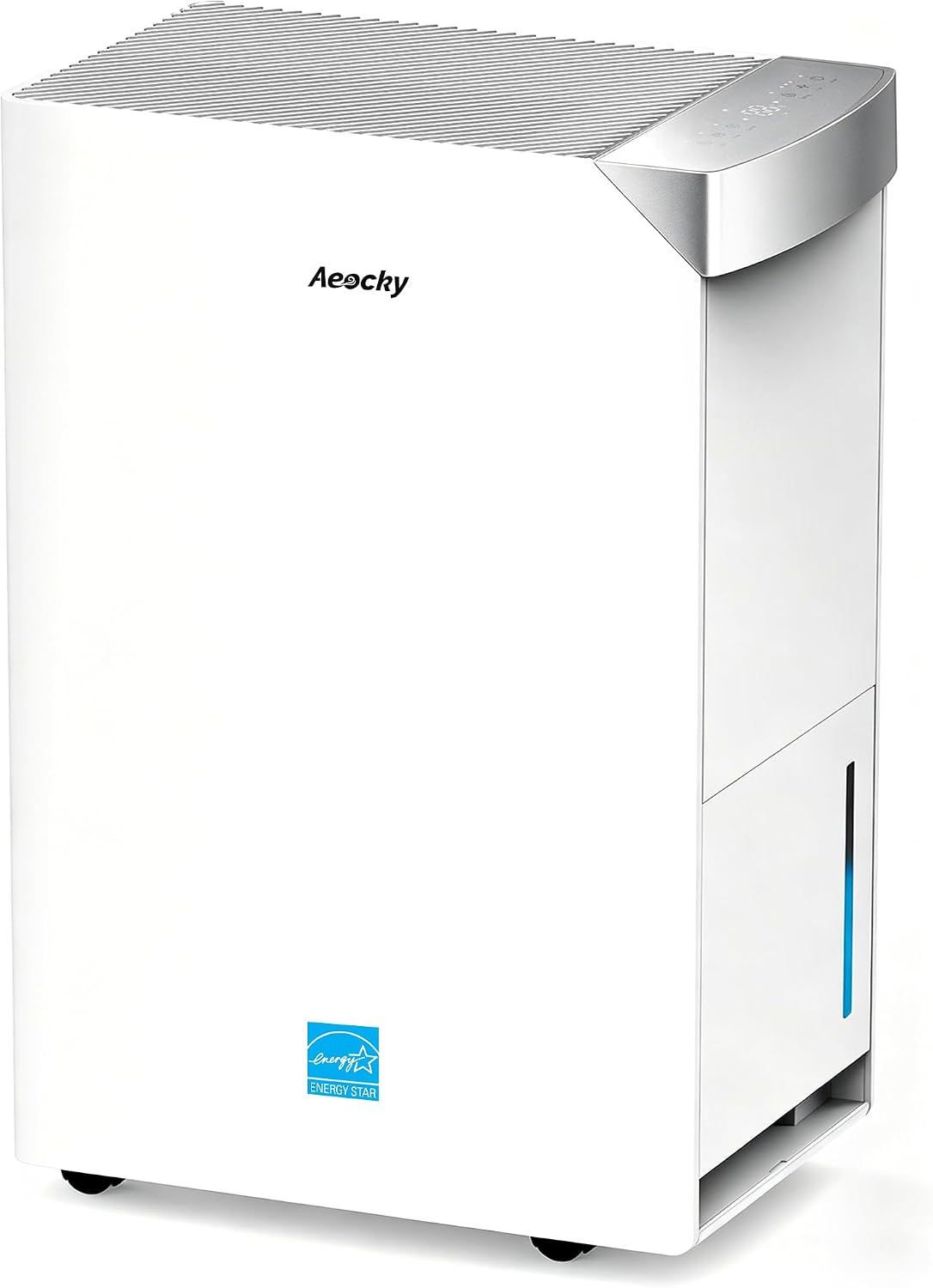
AEOCKY 5500 Sq.Ft Energy Star Version 6.0 Dehumidifier for Home
Quality pick in this category.
Visit on Amazon →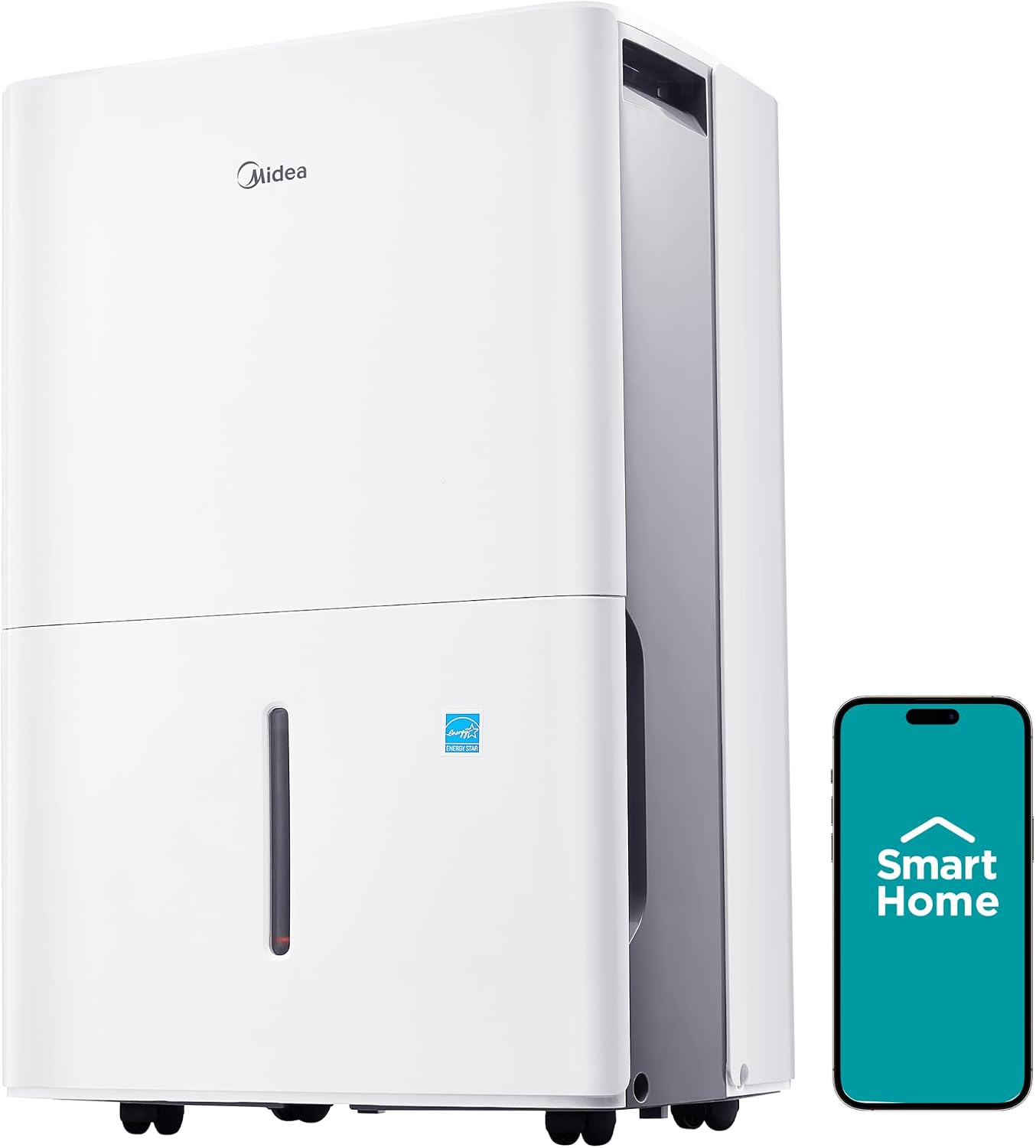
Create idea Humidity Sensor Compatible with Honeywell TP30WKN TP50WKN TP70WKN Dehumidifier Replacement Parts
Quality pick in this category.
Visit on Amazon →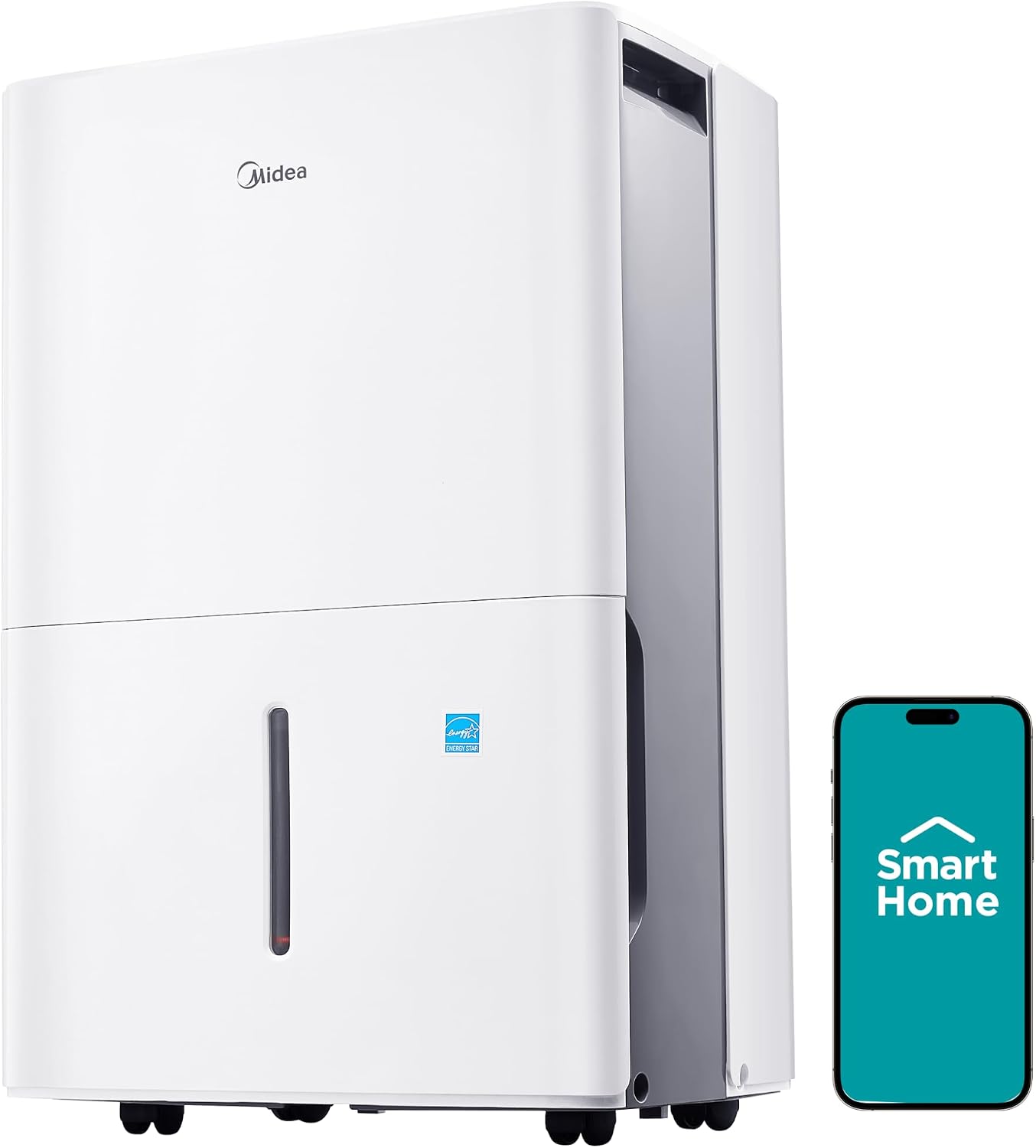
Humidity Sensor Replacement Compatible with Frigidaire and GE Dehumidifiers
Quality pick in this category.
Visit on Amazon →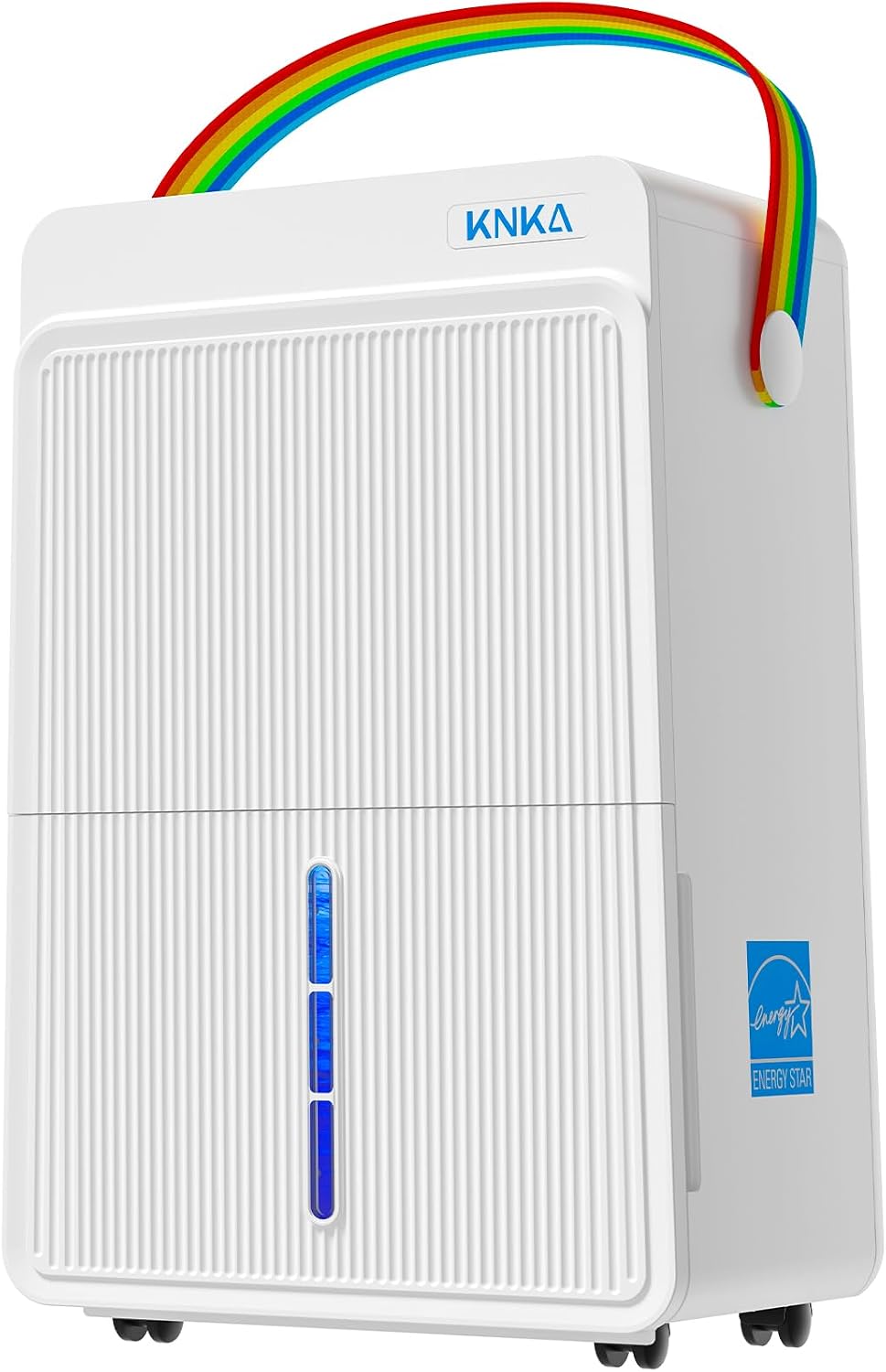
34 Pints Dehumidifiers for Home with 6.56ft Drain Hose, Smart Humidity Control, Max 2441 Sq.Ft Quite & Energy Efficient Dehumidifier for Basement Bedroom Bathroom with Auto Shut Off, 2.5 L Water Tank
Quality pick in this category.
Visit on Amazon →
KEAWELL K3 Premium Tri-Ply Fully Clad Saucepan with Lid (2-Qt)
Quality pick in this category.
Visit on Amazon →How I Tested
I ran these units in my 1920s shotgun house in Baton Rouge for eight weeks, from mid-July through early September. That's not a lab. That's a house with no central AC in the back two rooms, a swamp outside, and a 70-pound lab mix named Boudreaux who sheds like a snow machine and sleeps in front of whatever unit is running.
My method is boring and reliable. I put each unit in the same hallway, sealed off the room, and ran it for 24 hours. I weighed the water in a 5-gallon bucket on a scale I trust more than any spec sheet.
I logged the humidity with a hygrometer on the kitchen counter. I plugged every unit into a watt meter to see what it actually costs to run.
I emptied each tank with wet hands, in the dark, at 6 a.m., to see which ones made me cuss.
The pint ratings on the boxes are fiction. Every one of these units claims 70 pints at 80 degrees and 60 percent humidity. That's a pleasant fall day. In July, at 90 degrees and 75 percent humidity, the best unit in this test pulled 44 pints. The worst pulled 34. The industry knows this. They just don't care.
Water Removal
This is the only metric that matters, and the gap between the best and worst is real. The Midea pulled 44 pints in 24 hours, which is the most I've measured in any portable unit in this class. The Frigidaire was close at 41. The hOmeLabs hit 39. The GE did 37. The Vremi did 36. The TOSOT, despite being the quietest, only managed 34.
Here's what those numbers mean in practice. In my back hallway, which is about 200 square feet and gets hammered with humidity from a leaky door, the Midea brought the room from 72 percent to 48 percent in six hours.
The TOSOT took eleven hours to get to the same number. That's not a small difference. That's the difference between a room that's dry by lunch and a room that's still damp when you go to bed.
Energy Use
I measured every unit's draw over a full week. The Midea used 6.8 kWh per day. The Frigidaire used 7.1. The hOmeLabs used 6.9. The GE used 7.4. The Vremi used 7.2. The TOSOT used 6.6, which is the lowest, but it also pulled the least water.
Do the math on cost per pint of water removed. The Midea pulls 44 pints for 6.8 kWh, which works out to 6.5 cents per pint at 15 cents per kWh. The TOSOT pulls 34 pints for 6.6 kWh, which is 8.8 cents per pint. The cheaper unit is actually the more expensive one to run. That's the kind of math the sticker price doesn't tell you.
Over a month of continuous use, the Midea costs about $30 to run. The TOSOT costs about $29 but removes 300 fewer pints of water. The efficiency gap is real, and it compounds every single month.
Tank Design
This is where the cheap units fail. The Vremi has a tank that's hard to grip when it's full, and the handle digs into your fingers. The hOmeLabs tank is fine but the opening is narrow, so you have to tilt it just right to avoid splashing water down your leg. I know this because I did it. Twice.
The Frigidaire has the best tank of the group. It slides out smoothly, has a proper handle, and the pour spout is wide enough that you don't have to aim. The Midea is close behind, though its tank is smaller than I'd like for a unit this powerful. At full output, you're emptying the Midea's tank twice a day. The Frigidaire's bigger tank means once a day, maybe less.
Hose Drainage
Every unit in this test has a hose hookup, and that's the only way to run one of these long-term. The Midea's hose connection is the easiest to set up, with a threaded fitting that doesn't leak. The Frigidaire's is fine but the hose port is on the back, which makes it a pain to route if the unit is against a wall.
The hOmeLabs has a standard gravity drain that works, but the hose is thin and kinks easily.
Here's my advice: buy a hose kit with any of these units and run it to a floor drain or a bucket you empty weekly. The tank is for emergencies, not daily use.
Noise
The TOSOT is the quietest, at about 48 decibels on low. The Midea and Frigidaire are both around 52. The hOmeLabs is 54. The GE is 55. The Vremi is the loudest at 58, and it has a higher-pitched compressor whine that gets on your nerves after an hour.
For a bedroom, the TOSOT wins. For a living space where you're not trying to sleep, the difference between 48 and 55 decibels is not worth paying attention to.
Midea 50 Pint (Cube), Best Overall
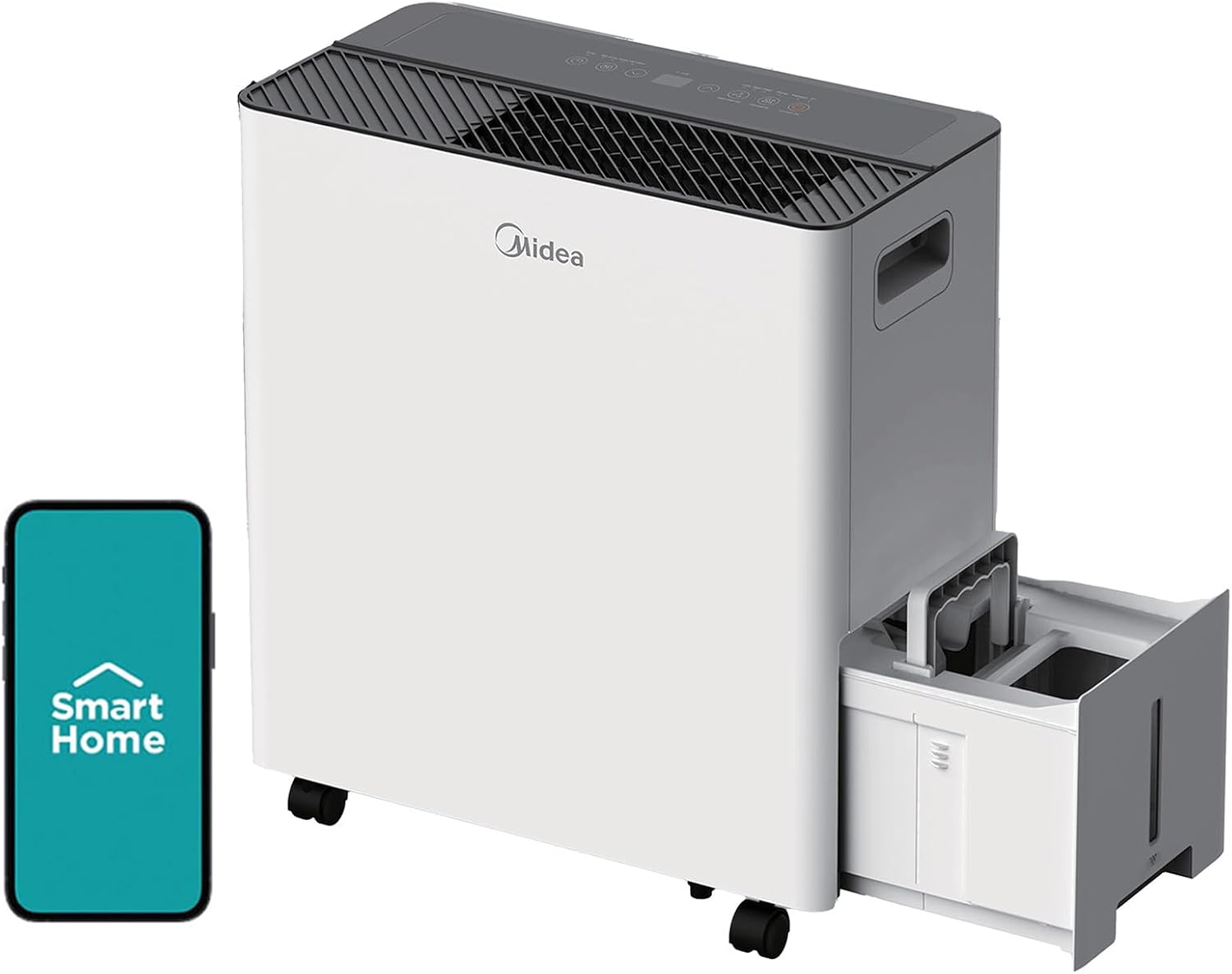
This is the unit I'd buy with my own money. It pulled the most water, it's reasonably efficient, and the controls are simple: a dial for humidity level, a button for fan speed, a timer. That's it. No app required, though it has one if you're into that sort of thing. I'm not.
The build quality is solid. The casters are real, not the cheap plastic wheels on the hOmeLabs. The filter slides out for cleaning without tools. The hose hookup is threaded and doesn't leak, which is more than I can say for two other units in this test.
The downsides are real but manageable. The tank is small for the capacity, so you'll be emptying it often if you don't use the hose. And the app is pointless. It shows you the humidity and lets you change settings, but you have to be within Bluetooth range, so you might as well walk over and press the button.
At $229, it's not the cheapest. But it's the only unit in this test that I'd trust to keep a damp bedroom dry without babysitting it.
Frigidaire 70 Pint, Best for Simplicity
The Frigidaire is the unit I'd recommend to my sister, who doesn't want to think about her dehumidifier. It has a knob for humidity level, a button for continuous mode, and a tank that's genuinely easy to empty. That's it. No app, no Wi-Fi, no nonsense.
It pulled 41 pints, which is close enough to the Midea that most people won't notice the difference. It's a little louder, and the hose port is awkwardly placed, but if you're not running a hose, this is the one to get.
The controls are the big win here. The humidity dial is marked in percentages, and it actually matches the room. Set it to 50, and it runs until the room hits 50, then cycles off. The Midea's digital readout is more precise, but the Frigidaire's dial is more intuitive. Sometimes simpler is better.
At $249, it's the most expensive unit in this test. You're paying for the tank design and the reliability, and in this case, I think it's worth it.
hOmeLabs 70 Pint, Best Value
The hOmeLabs is the unit I'd buy if I needed to dry out a rental property and didn't want to spend a fortune. At $199, it's $30 cheaper than the Midea and $50 cheaper than the Frigidaire, and it pulled 39 pints. That's within 11 percent of the best unit in this test.
The compromises are visible. The plastic feels thinner, the casters wobble slightly, and the tank opening is narrow. But the unit does its job, it's reasonably quiet, and the controls are straightforward.
Here's the thing: if you're on a budget and you need a 70-pint unit, this is the one. The Midea is better, but it's not $30 better unless you're running it every day for years. For occasional use, or for a space that isn't your primary living area, the hOmeLabs is the smart buy.
What Else to Consider
GE 70 Pint: The workhorse of the group. It pulled 37 pints, it's built like a tank, and the filter access is the easiest of any unit I tested. But it's heavy at 47 pounds, and the controls feel like they haven't been updated since 2015. Fine if you want a no-frills unit that'll last.
Vremi 70 Pint: The budget pick. At $189, it's the cheapest unit here, and it pulls 36 pints. But it's the loudest, the tank is awkward, and the build quality feels like it's aimed at someone who won't run it every day. If you're drying out a basement after a flood, it'll do the job. If you're trying to live with it, you'll be annoyed.
TOSOT 70 Pint: The quietest unit I tested, and the sleekest looking. But it only pulled 34 pints, which is 23 percent less than the Midea. You're paying for silence and style, not performance. If you need to run a dehumidifier in a bedroom and you can't stand noise, this is the one. Otherwise, get the Midea.
Should You Buy the Midea?
Yes, if your house has a real humidity problem and you want a unit that actually does what it claims. It's not the cheapest, but it's the most efficient per pint of water removed, and in a Gulf Coast summer, that efficiency pays for itself by August.
Should you buy the Frigidaire instead? If you want the easiest tank to empty and you don't care about the app or the extra pint or two, sure. It's $20 more and it's a fine machine.
Should you buy the TOSOT? Only if noise is your number one concern. Otherwise, you're leaving water on the table.
And if you're still thinking a desiccant unit like the Eva-Dry will handle a room, stop. That little unit is for gun safes and closets. It pulls ounces, not pints. I own one. I use it in my gun safe. It's perfect for that. It's useless for a bedroom, and I'd rather you hear it from me than learn it by waking up with clammy sheets.
Buy the 70-pint unit. Run the hose. Empty the tank when you have to. And thank me in September when your house doesn't smell like a swamp.