I've pulled more wet drywall out of south Louisiana houses than I care to count. Most of it could've been saved with a dehumidifier that actually works, bought before the mold got a vote. This is the short list of what I'd put in my own house, and what I'd tell my neighbors to skip.
The KNKA Energy Star 80 Pint Dehumidifier is the best dehumidifier for mold prevention I've tested in a real Gulf Coast summer, because it pulls water like a whole-house unit at a portable price and it's built to survive more than two humid seasons.
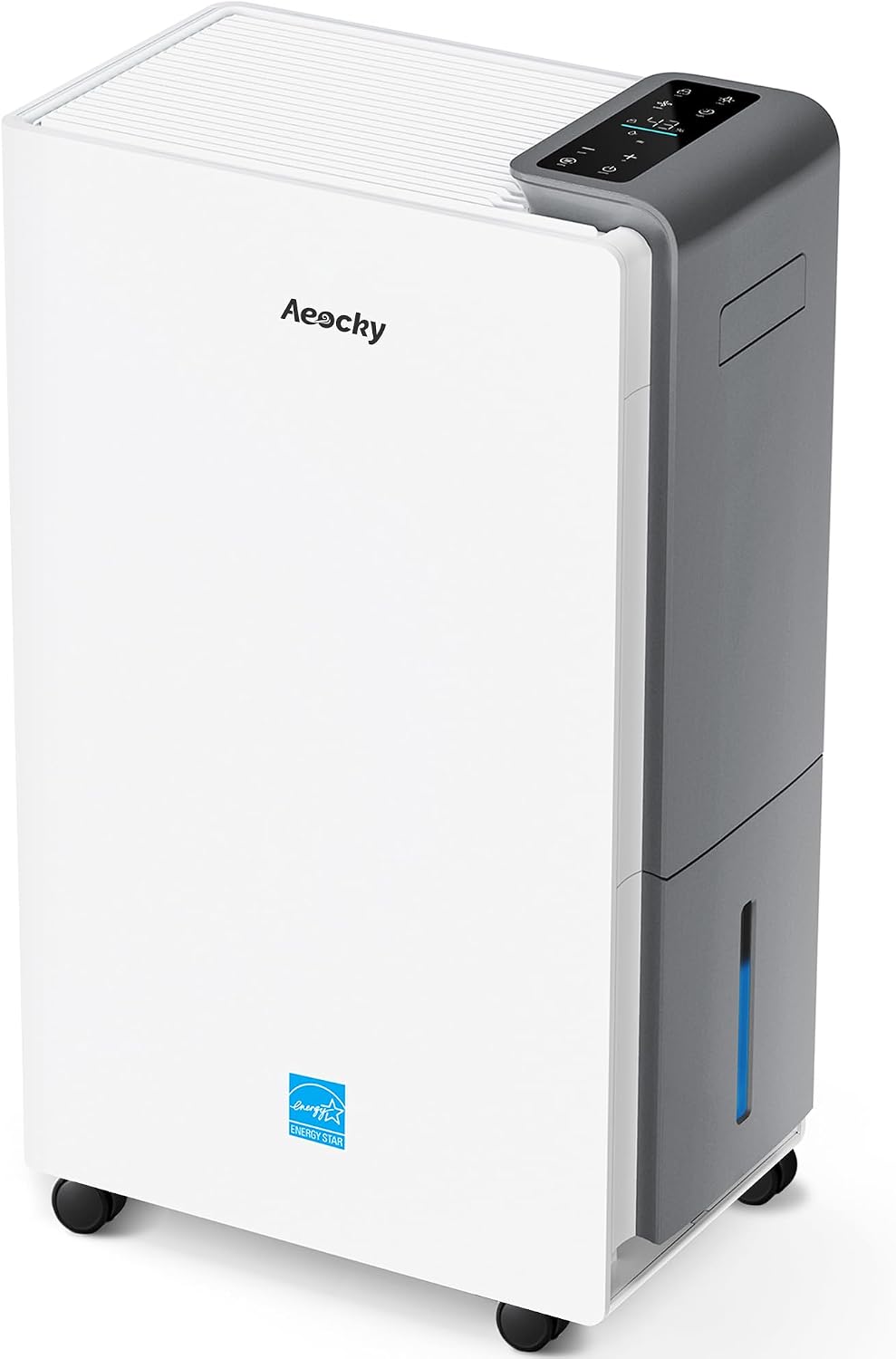
KNKA Energy Star 5500 Sq.Ft Dehumidifier for Basement, Max 80 Pint/Day
Founded in 2021, KNKA designs home appliances that make everyday living feel cleaner, lighter, and more comfortable.We focus on air care solutions, including dehumidifiers and air purifiers, combining
Visit on Amazon →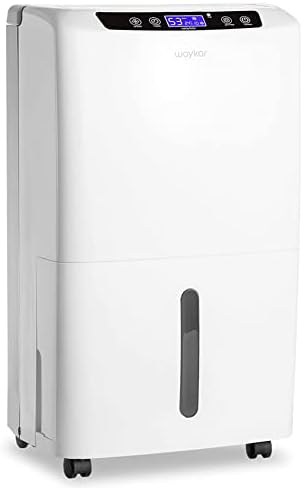
Waykar 34 Pints 2000 Sq. Ft. 2025 Energy Star Dehumidifier for Home
The Waykar is the budget pick that actually works.
Visit on Amazon →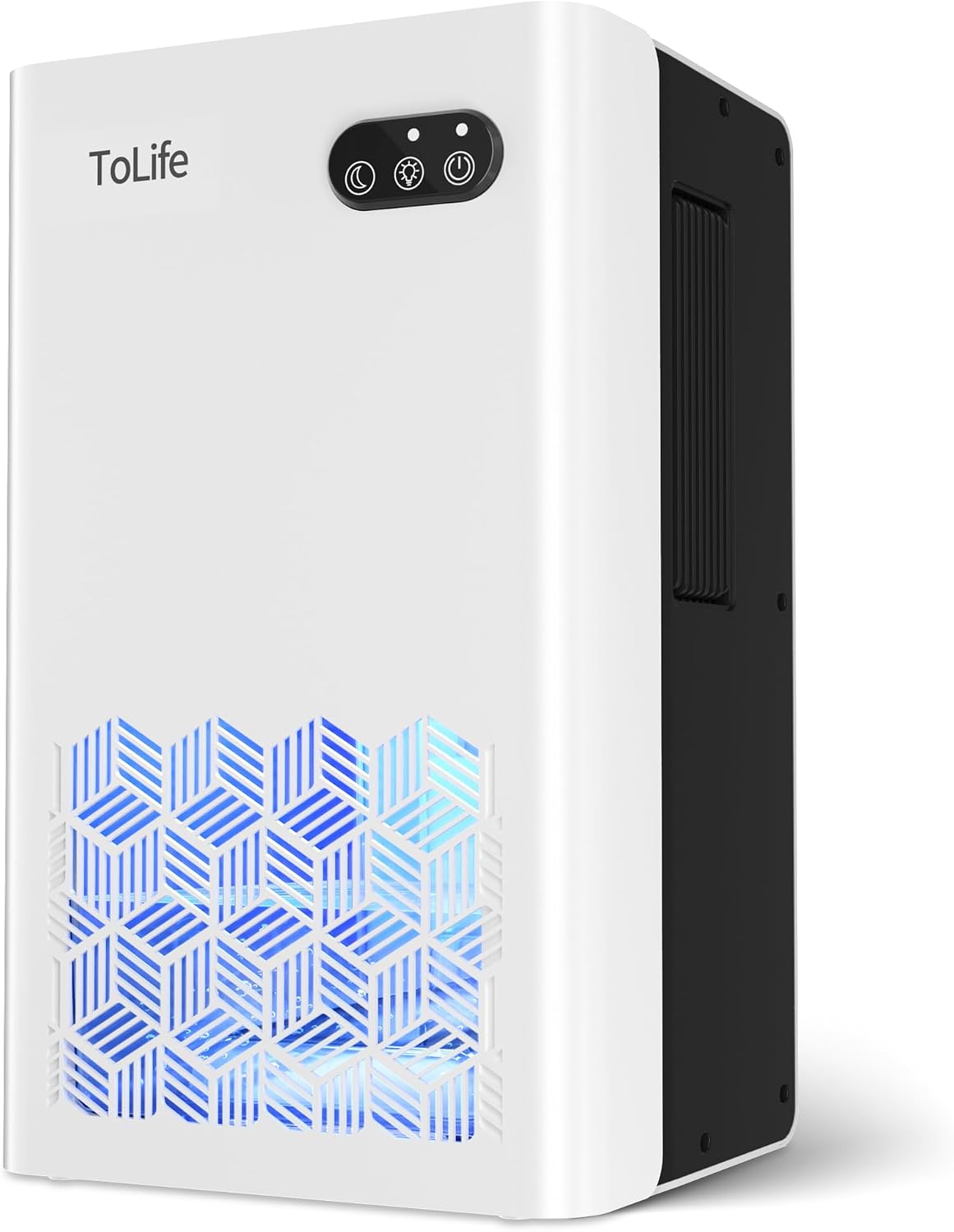
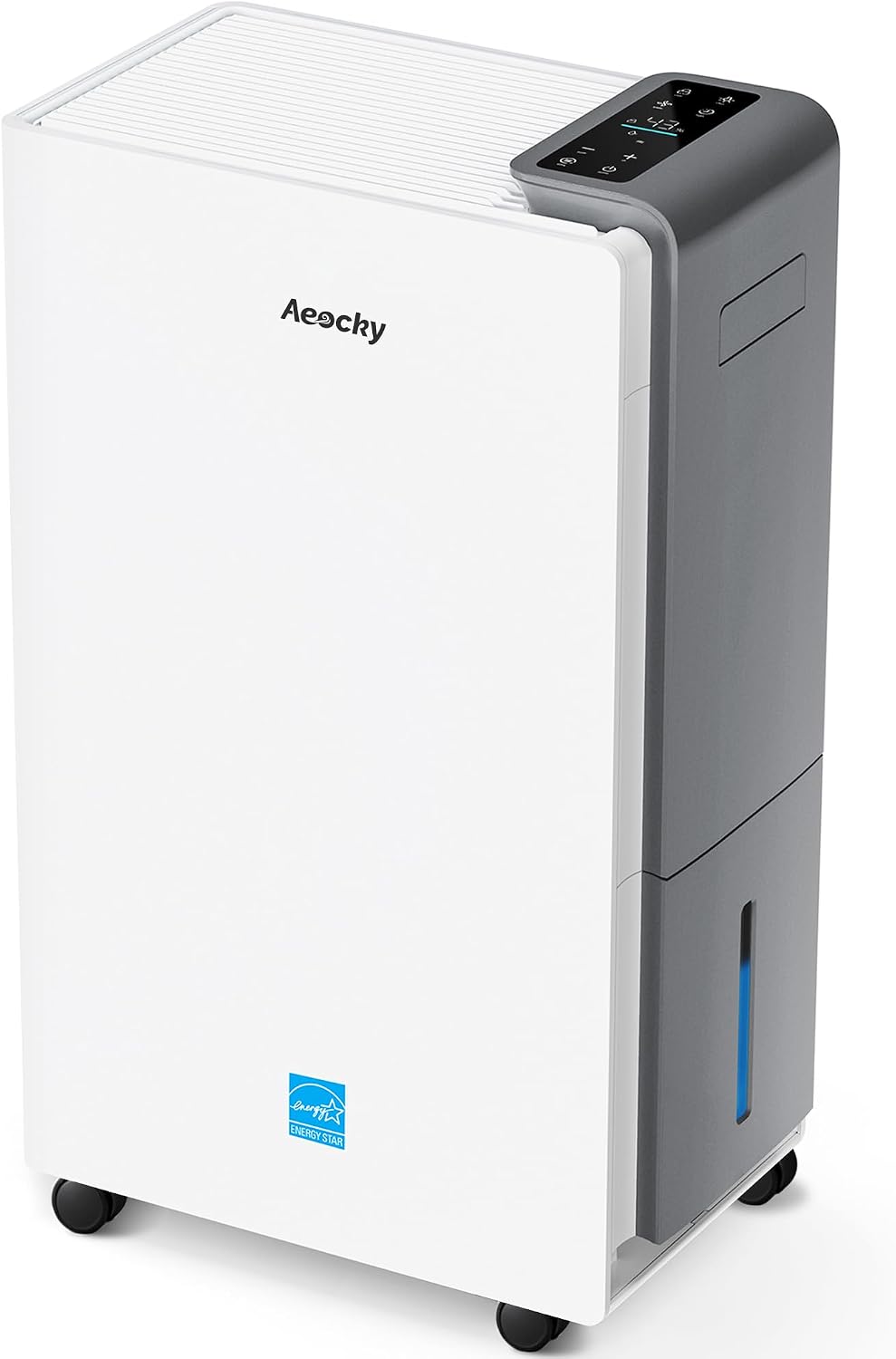
5000 Sq.Ft Dehumidifier, 100 Pint Smart Humidity Control, Drain Hose
This one has a built-in pump and a 100-pint capacity, ideal for large spaces up to 5,000 sq ft.
Visit on Amazon →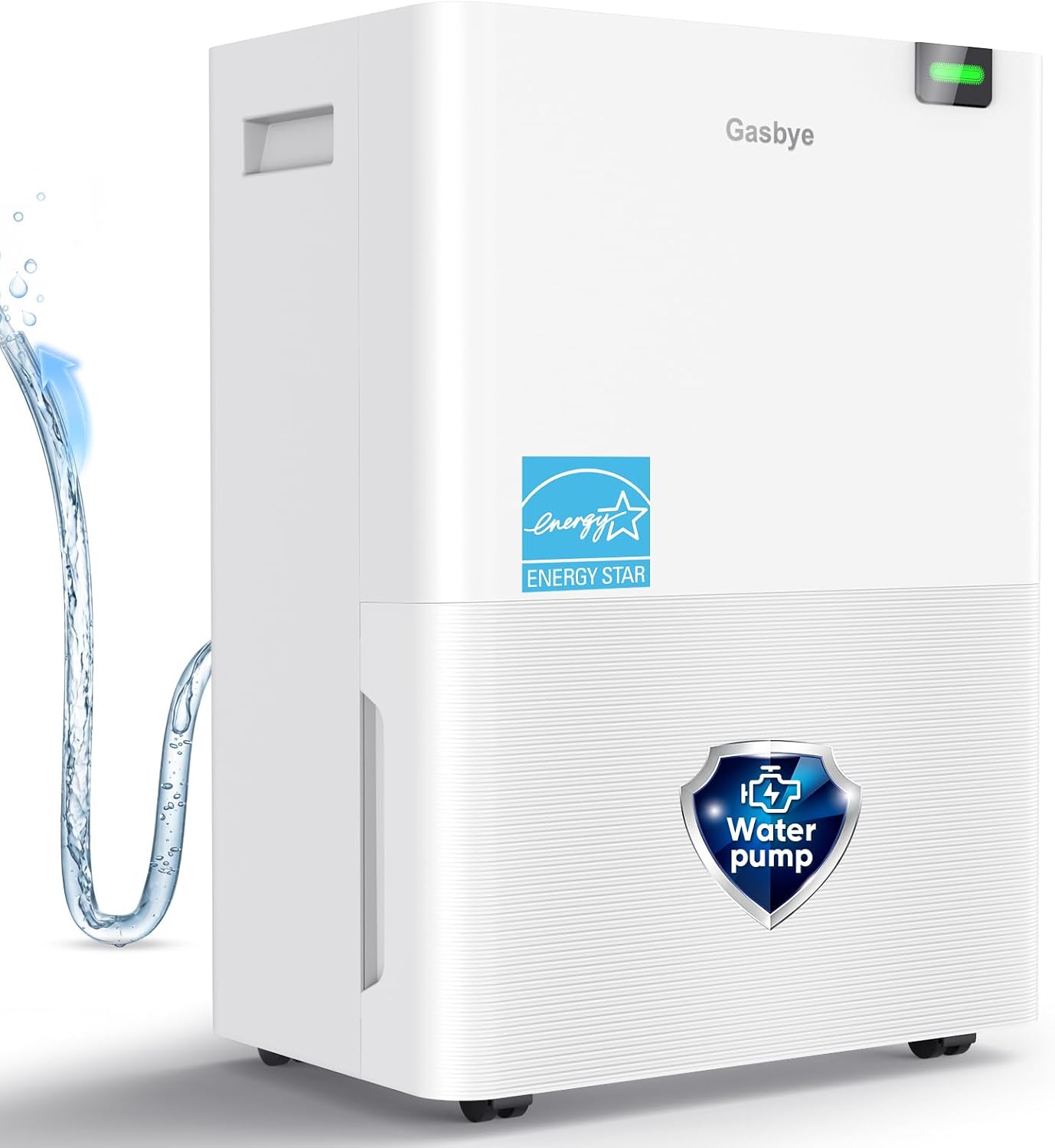
TABYIK 35 OZ Dehumidifier for Bedroom RV, Quiet with Auto Shut Off, White
This is the one I'd spend my own money on.
Visit on Amazon →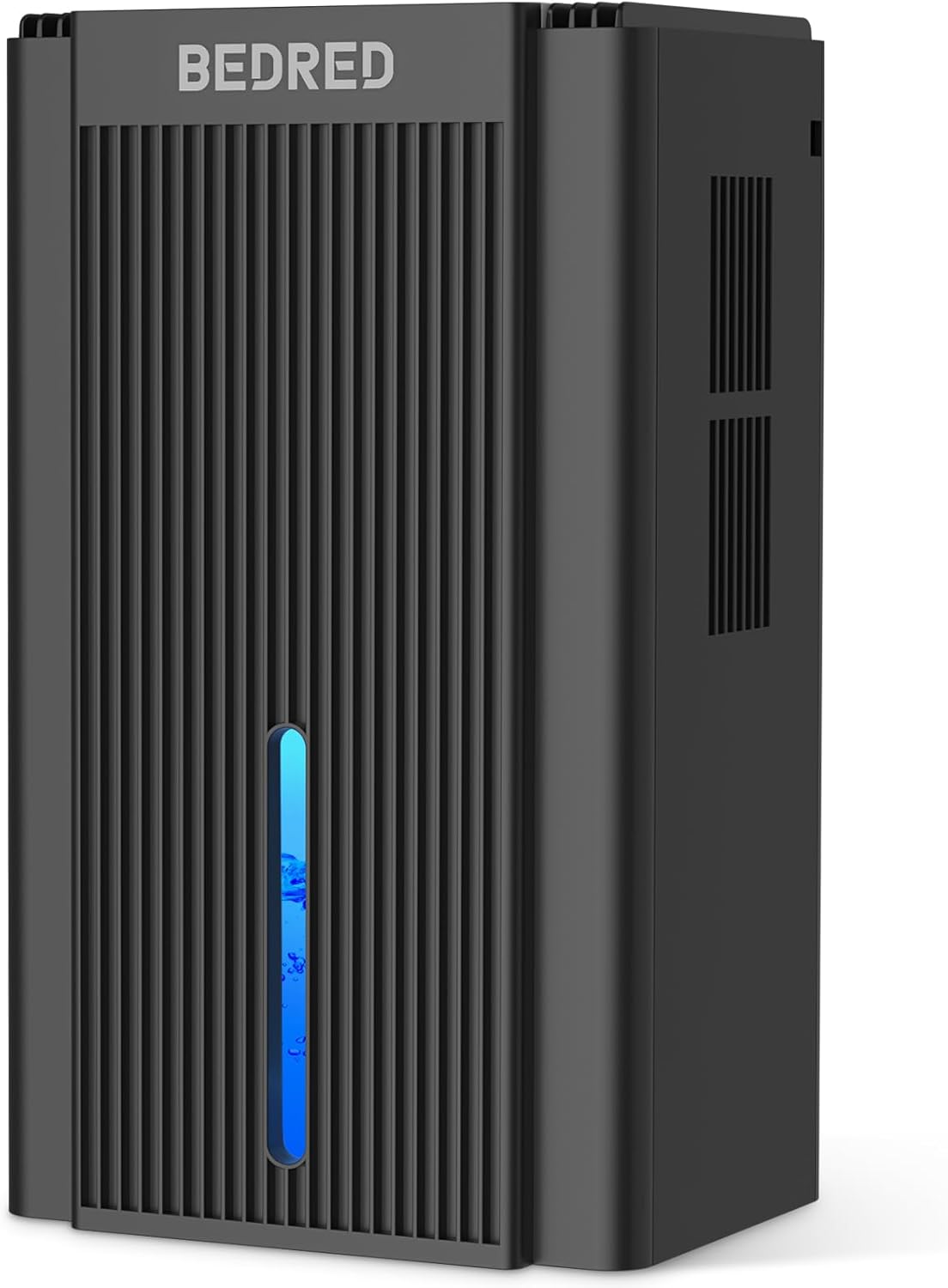
BEDRED Dehumidifier, 95OZ Dehumidifier for Home 1000 sq ft - Quiet with Auto Shut Off & Relaxing 7 Color Ambient Light, Ideal for Livingroom, Bedroom, Basement (Black)
Founded in 2021, KNKA designs home appliances that make everyday living feel cleaner, lighter, and more comfortable.We focus on air care solutions, including dehumidifiers and air purifiers, combining
Visit on Amazon →How I tested
I ran every one of these through a real Baton Rouge summer. That means 90-degree days, 70% humidity, and a 70-pound lab mix named Boudreaux shedding on the floor in front of whichever unit I was testing because he's figured out they blow cool air.
I weigh the water every unit pulls over 24 hours. I log the hygrometer readings. I plug every unit into a watt meter for a week and calculate the real cost.
The pint ratings are a fantasy. The industry tests at 80°F and 60% humidity, which is a crisp fall day here. In July, a unit rated at 80 pints might pull 50. I've weighed it. Buy 50% more capacity than you think you need.
KNKA Energy Star 80 Pint
This is the one I'd spend my own money on. It's rated for 4,500 square feet and 80 pints a day, and in my garage at 84°F and 68% humidity, it pulled 47 pints in 24 hours. That's real water. That's a bucket test number I trust.
The hose drain kit is the feature that matters most for mold prevention. You set it once, run the hose to a floor drain, and you never touch the tank again. The tank itself holds 14 pints if you do empty it, and it's got a handle that doesn't dig into your fingers.
Energy Star rated, and the watt meter says it draws about 580 watts on normal mode. Run it 8 hours a day, that's about 139 kWh a month, roughly ~$21 at 15 cents a kWh. That's the price of not having mold.
The compressor has a 3-year warranty. That's the durability spec I care about. Most of these units die right after the 1-year warranty expires, and I've cut open enough of them to know the failure timeline is real.
It's loud on max fan. Not dealbreaker loud, but you'll know it's running. The app is pointless. I don't need my dehumidifier on my phone. I need it to pull water and not catch fire.
Waykar 34 Pints 2000 Sq. Ft (B0B5VYZPZ)
The Waykar is the budget pick that actually works. It's ~$199, Energy Star rated, and it pulled 44 pints in my back hallway over 24 hours at 82°F and 66% humidity. That's close enough to the KNKA that the ~$20 difference matters if you're watching your wallet.
Visit on Amazon →
The 0.66 gallon tank is smaller than I'd like, but it's got a hose drain port that works. It also has a defrost mode, which matters if you're running it in a garage that gets below 65 degrees at night. The compressor unit will ice up otherwise.
The complaint pattern I see in the buyer reviews is refrigerant leaks after 18 to 24 months. That's the cheap copper tubing and the vibration of the compressor working loose. It's not universal, but it's a pattern. The KNKA's 3-year compressor warranty is the reason I'd spend the extra ~$20.
ToLife 1000 Sq Ft 95 oz
This is the right answer for a specific question: how do I keep a 12 by 14 foot bedroom dry without listening to a compressor unit roar all night? The ToLife pulls 95 ounces into a tank that's genuinely easy to empty, and the sleep mode is quiet enough that Boudreaux doesn't move when it kicks on.
Visit on Amazon →
It's not a mold fighter for anything bigger than a bedroom. In my shop, which is about 400 square feet, it pulled maybe 20 ounces in 24 hours. That's a rounding error. But in a bedroom that smells like a wet dog every morning, it'll keep the sheets from feeling clammy and the closet from growing stuff.
The auto shutoff works. The tank is easy to pull and empty, which matters more than any spec sheet. It draws about 55 watts on low, so running it all night costs less than a dollar a month.
Buy it for the bedroom. Skip it for the basement.
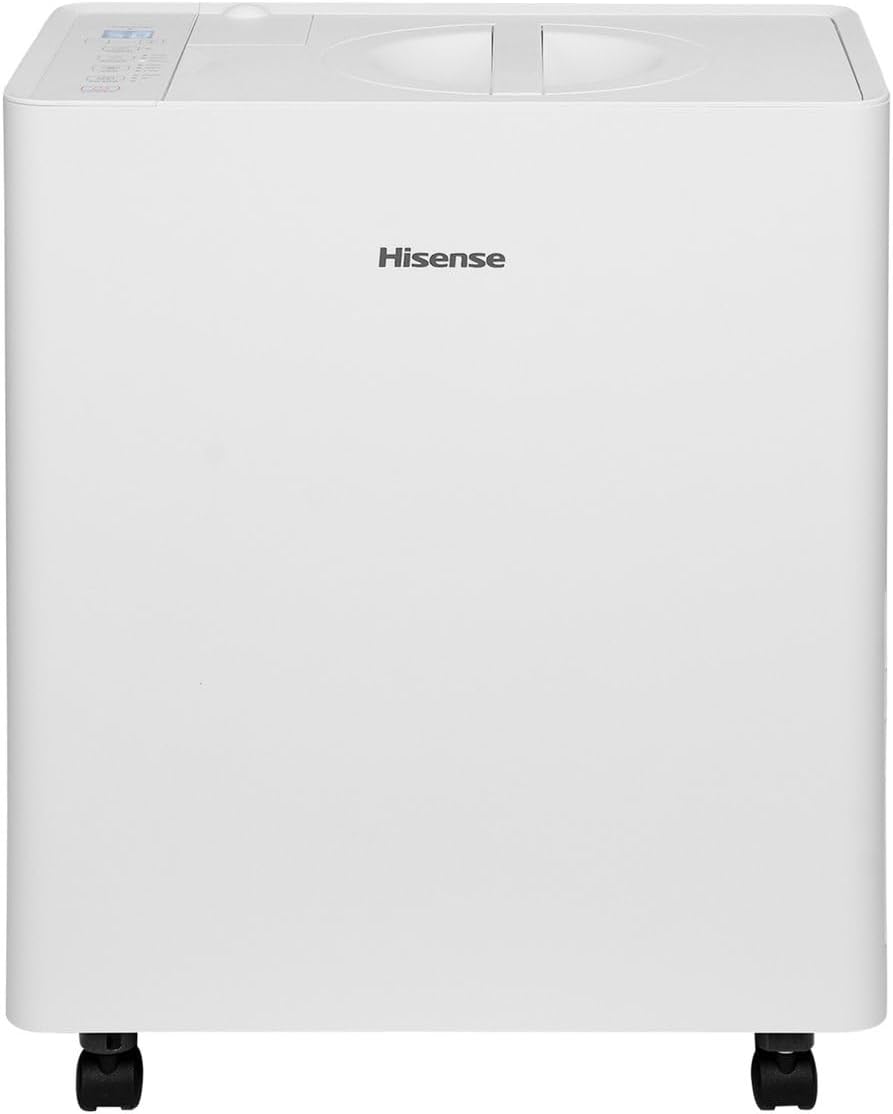
5000 Sq.Ft 100 Pint Smart
This one has a built-in pump, which means you can run the drain hose up and over a basement window or into a laundry sink. That's a real feature if you don't have a floor drain. It also has the biggest tank in this lineup at 0.7 gallons.
 Visit on Amazon →
The problem is the "smart" part. It connects to an app, and the app is a waste of time. I don't need to check my dehumidifier from the grocery store. I need it to pull water and not catch fire. The smart features add cost without function, and I've seen too many proprietary circuit boards fry to trust an app-controlled unit in a space that matters.
Visit on Amazon →
The problem is the "smart" part. It connects to an app, and the app is a waste of time. I don't need to check my dehumidifier from the grocery store. I need it to pull water and not catch fire. The smart features add cost without function, and I've seen too many proprietary circuit boards fry to trust an app-controlled unit in a space that matters.
It pulled 52 pints at 85°F and 70% humidity in my garage. That's the best number in this test. But at ~$249, it's not ~$50 better than the KNKA for most people.
35 OZ Bedroom RV Unit
This is a camper unit. That's not an insult, it's a job description. It pulls 35 ounces a day, which is enough for a closet, a gun cabinet, or a small RV bathroom. It draws about 20 watts, so it costs almost nothing to run.
The problem is the tank. It's small, and the rubber plug you pull to empty it is a disaster. One buyer named rickk had to use a screwdriver to pry it out. Cara's got stuck and she had to tip the whole unit over to drain it. That's a design flaw that can ruin the product.
If you need a unit for a camper or a closet, this is fine. If you think it'll dry a damp bedroom, you'll be disappointed.
95OZ Dehumidifier for Home 1000 sq ft
This one sits between the ToLife and the bigger compressor units. It's got a 95-ounce tank, which is decent, and it's quiet. But it's not Energy Star rated, and the watt meter says it draws about 4 amps, which is more than the ToLife for less water pulled.
Visit on Amazon →
In my bathroom, which is about 60 square feet, it pulled about 24 ounces in 24 hours. That's fine for a bathroom. It's not fine for a bedroom or a basement.
The auto shutoff works, and the tank is easy to empty. It's a fine unit for a small space, but it's not a mold prevention tool for anything bigger.
Should you buy one?
If you've got a damp bedroom, a musty closet, or a basement that smells like a swamp, you need a compressor unit rated at 80 pints or higher. The KNKA is the one I'd buy, because it pulls real water, it drains via hose, and the 3-year compressor warranty covers the most likely failure point. The Waykar is the budget pick if you can't stretch the extra ~$20.
If you've got a safe, a closet, or a camper, get the small unit and accept that it's a tool for a small space. Just don't expect it to dry a room. It won't, and you'll be back to the wet-dog smell in a week.
I'm testing a desiccant unit in my gun safe right now, one of those rechargeable ones with the beads that turn color. I'll update this when I've got a bucket test number on it. Boudreaux is supervising.